

A World Within the Clouds
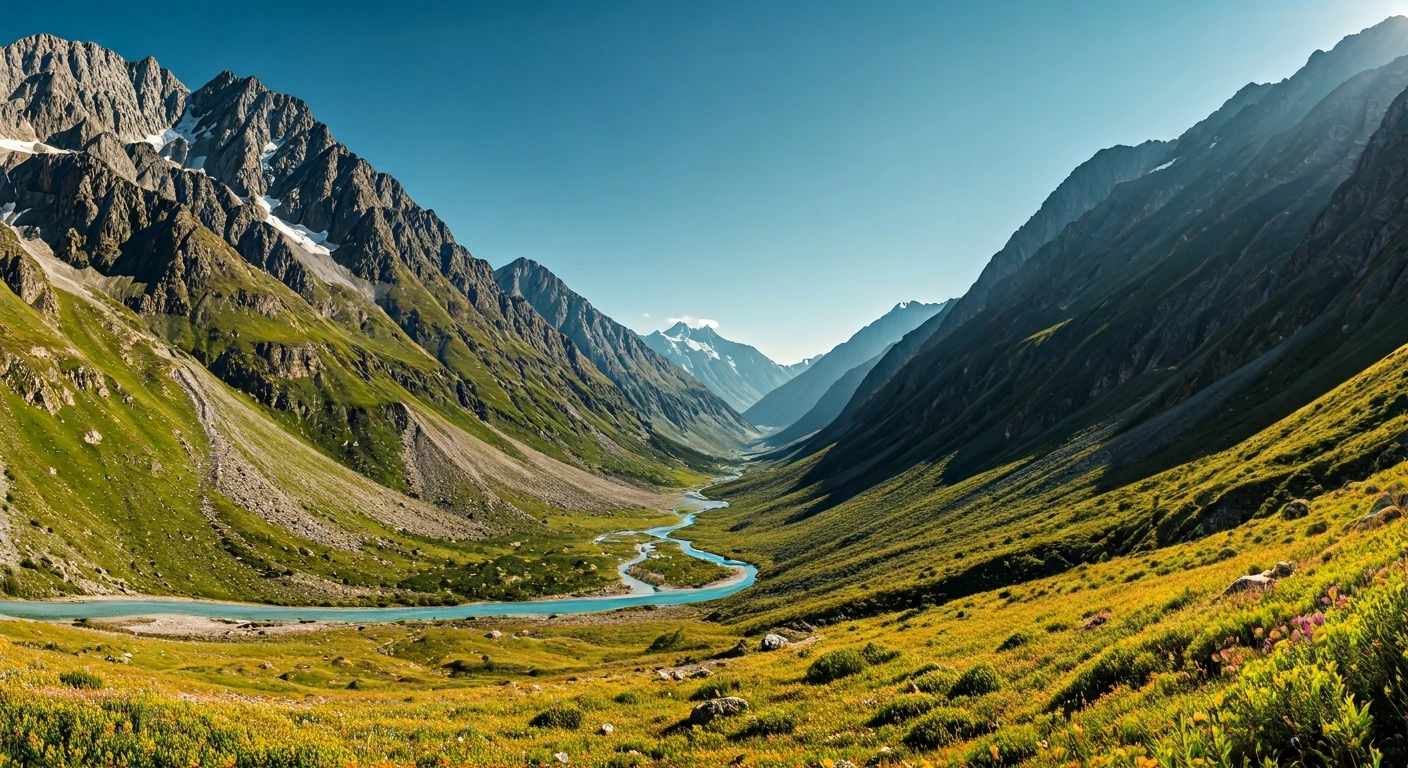
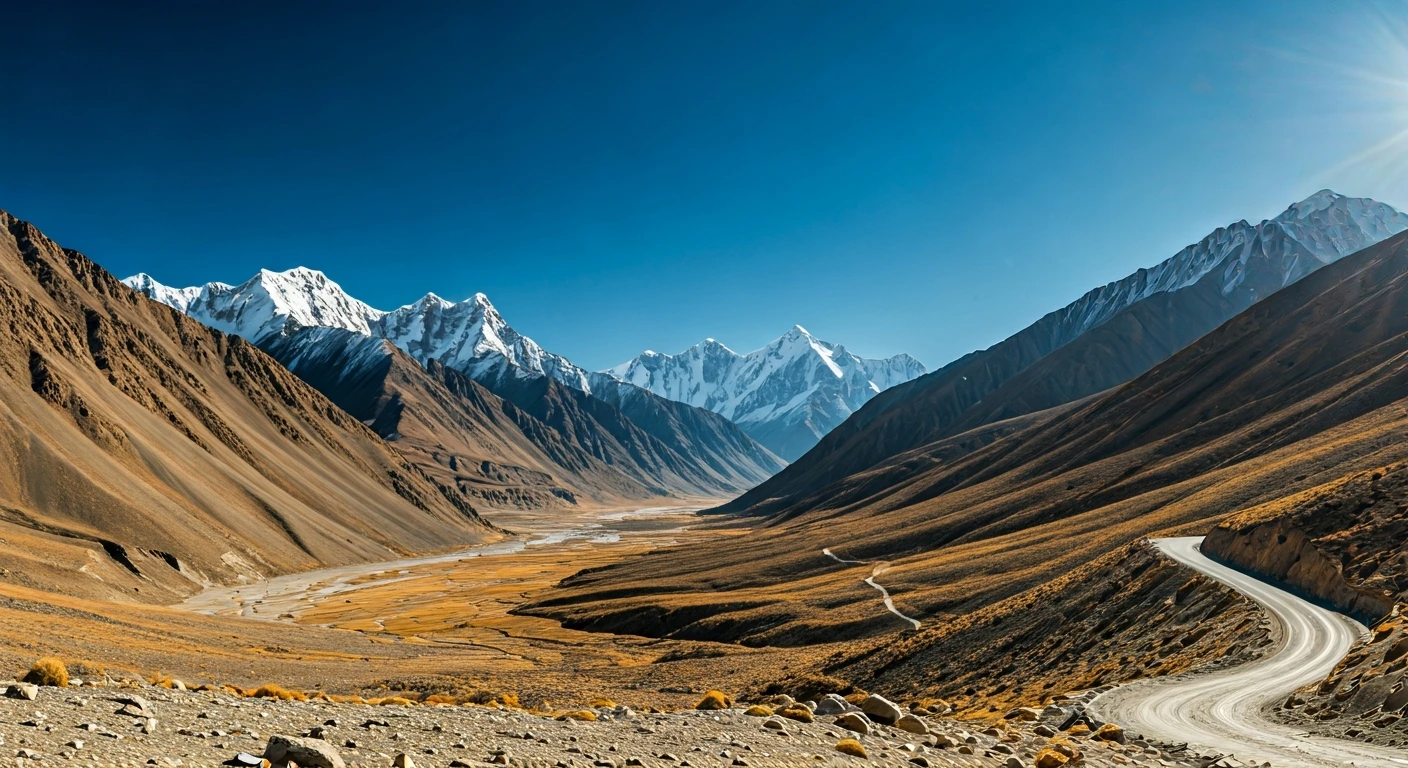
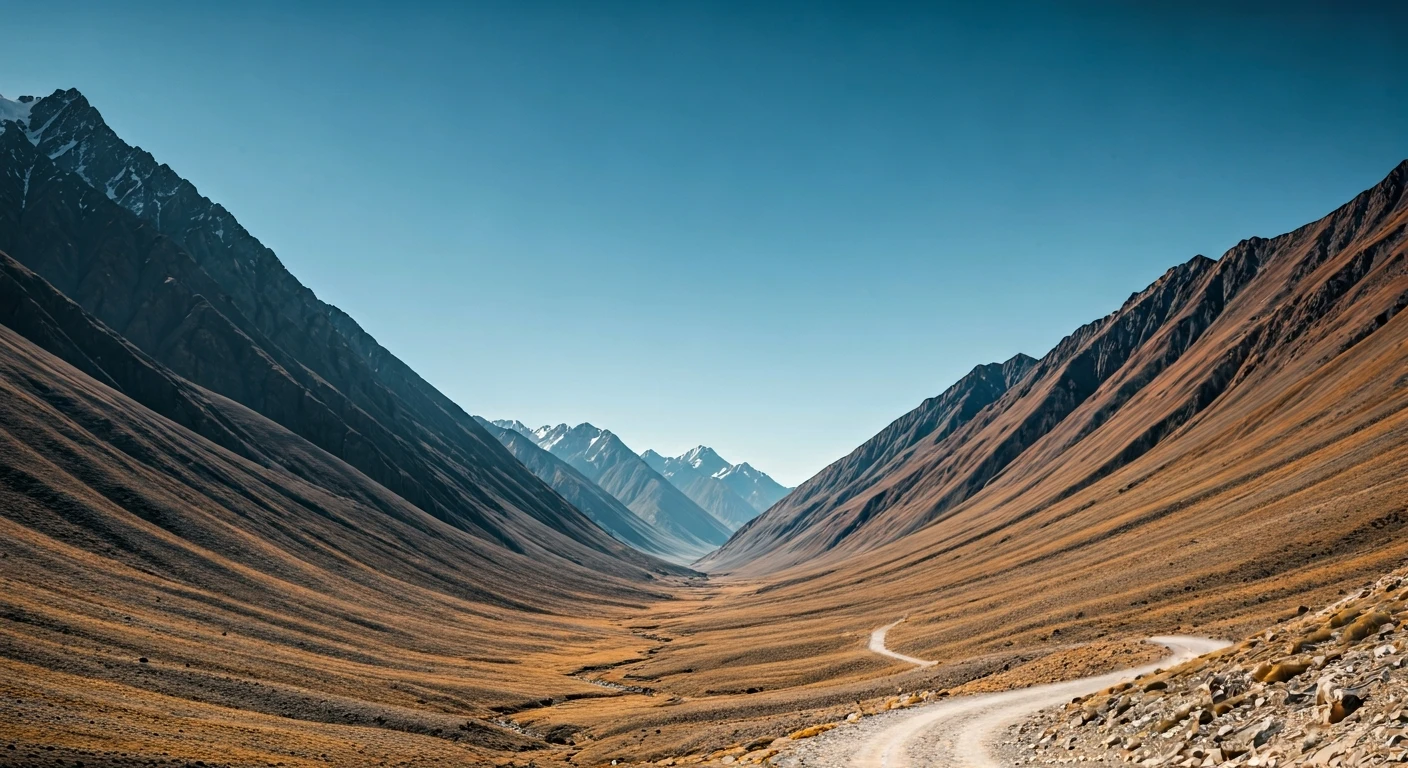
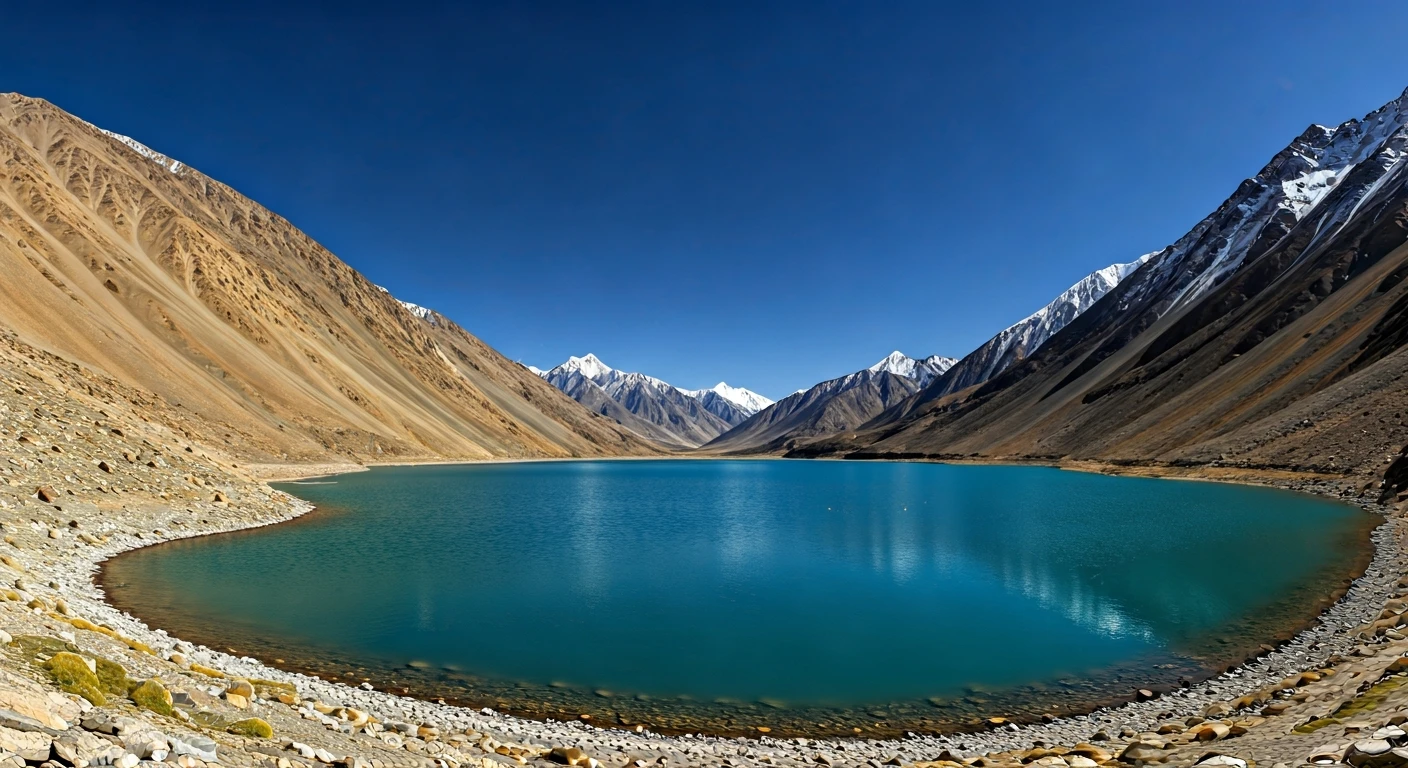
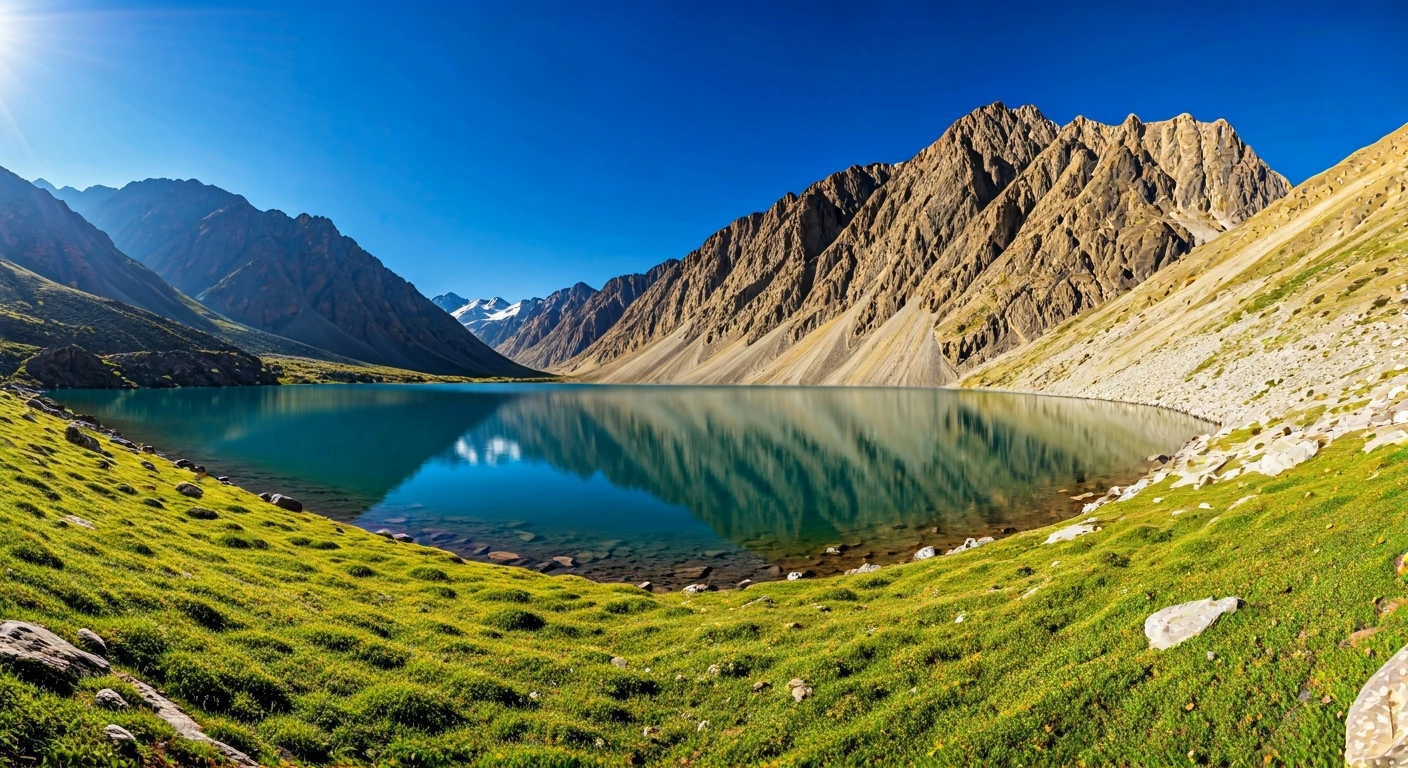
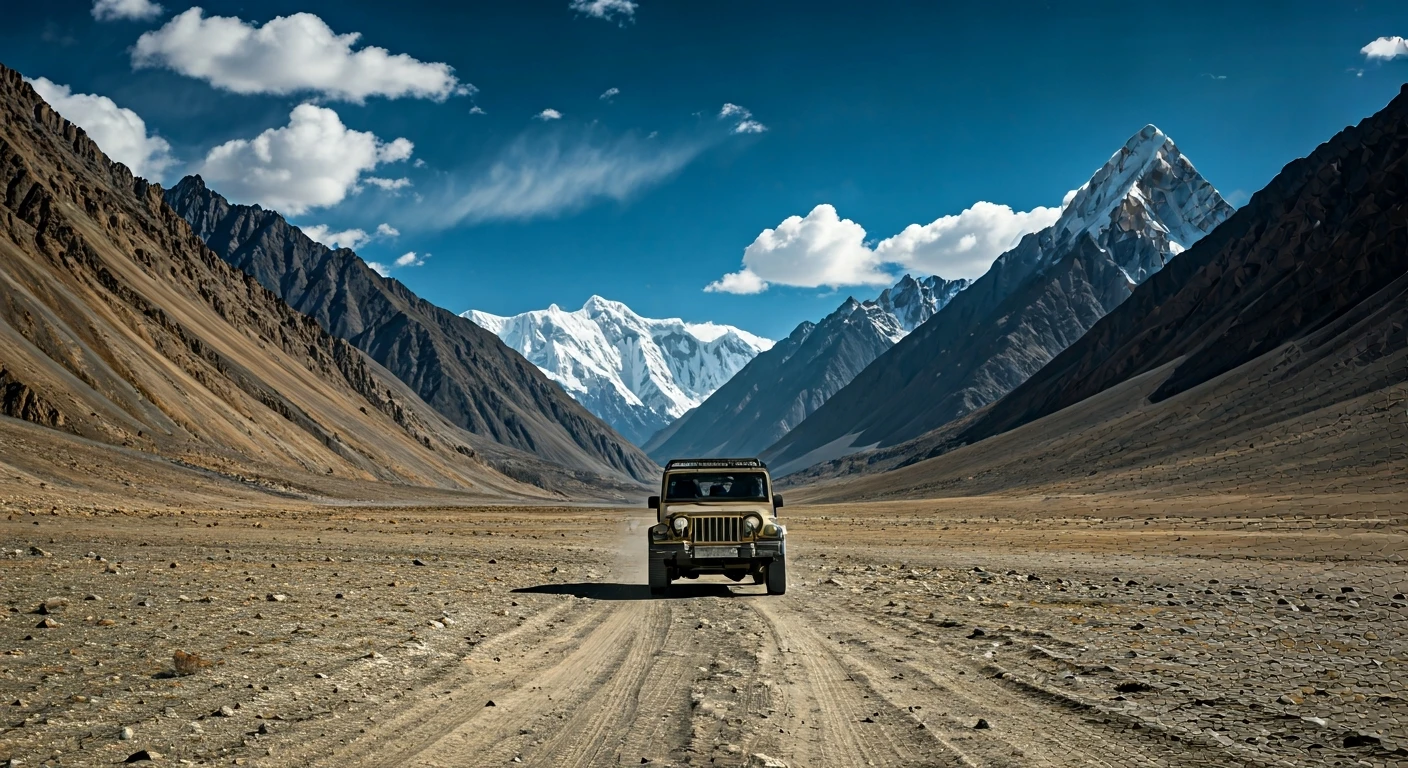
For most American travelers, Spiti Valley is a beautiful mystery. Tucked away in the northern Indian state of Himachal Pradesh, it’s a cold desert mountain valley that sits at an average elevation of over 12,500 feet. Often called “Little Tibet,” this
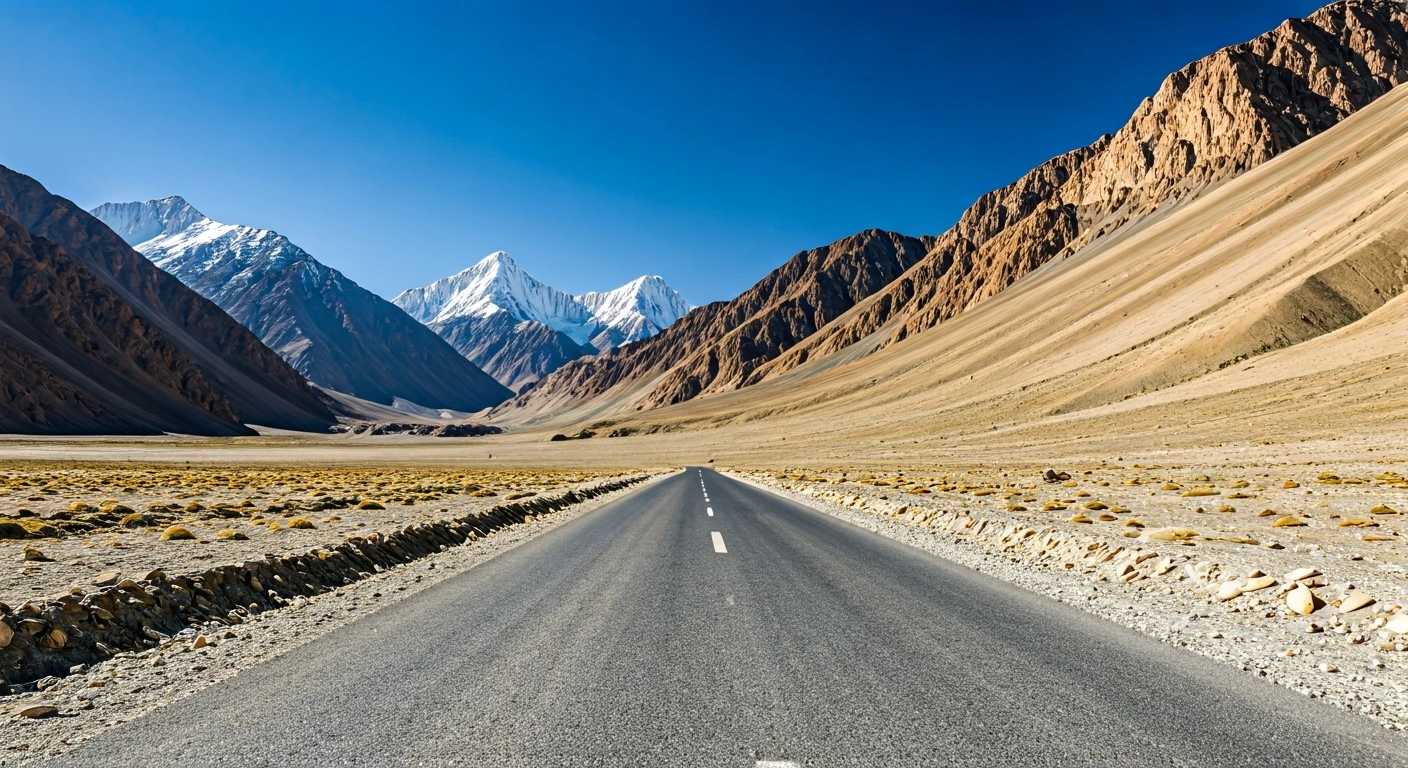
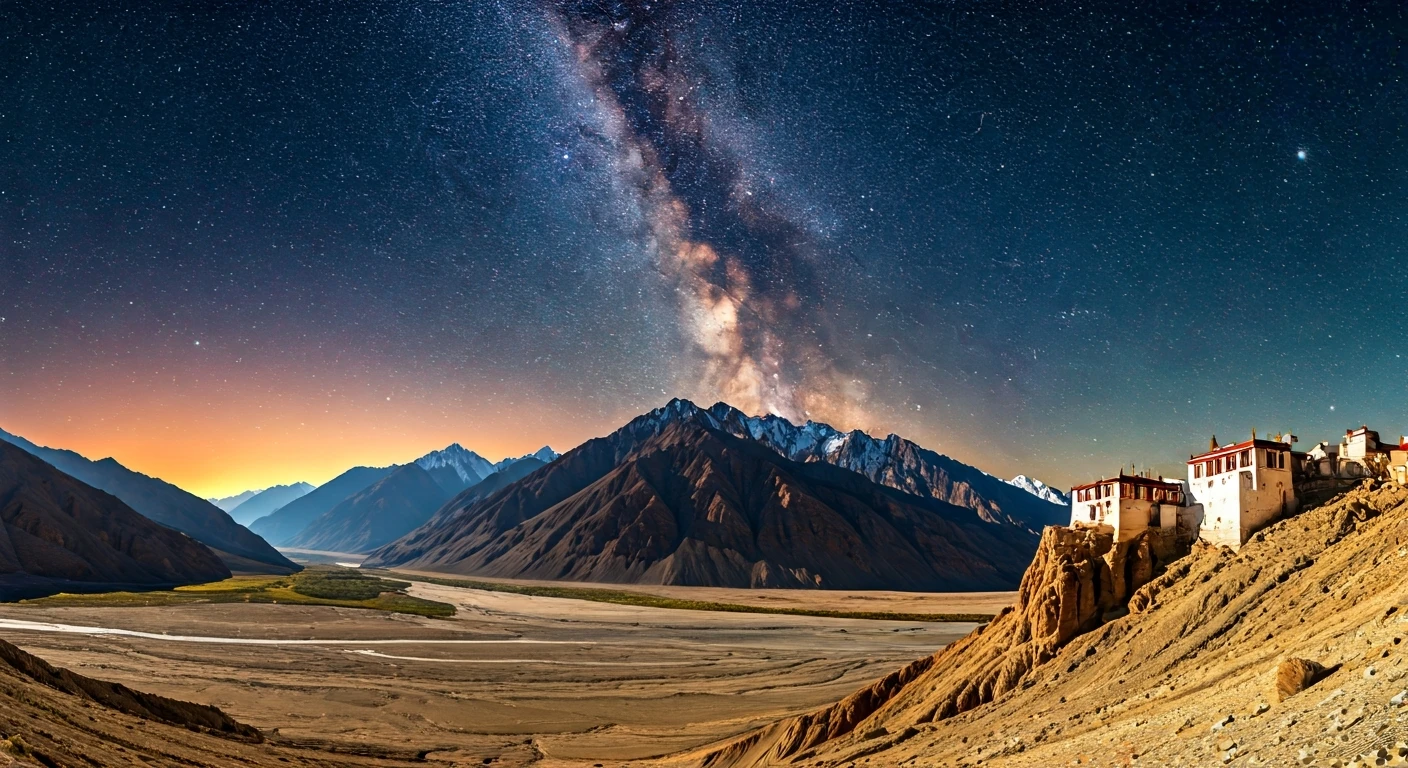
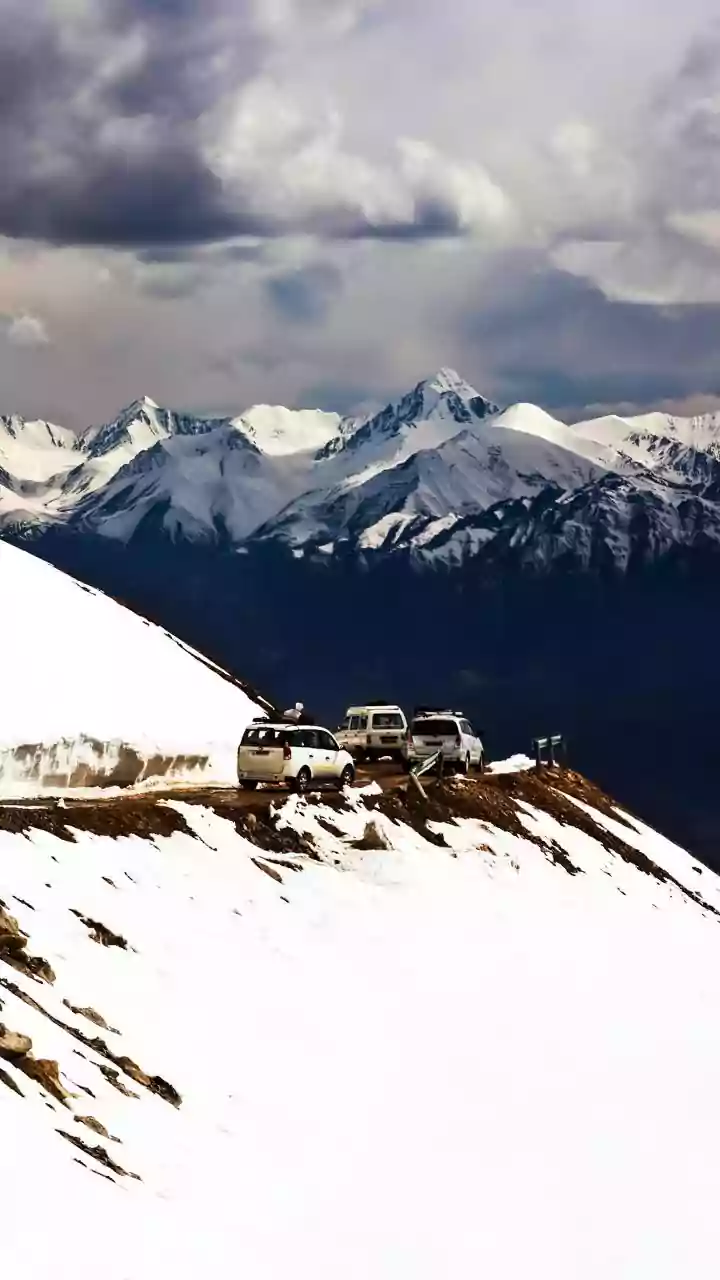
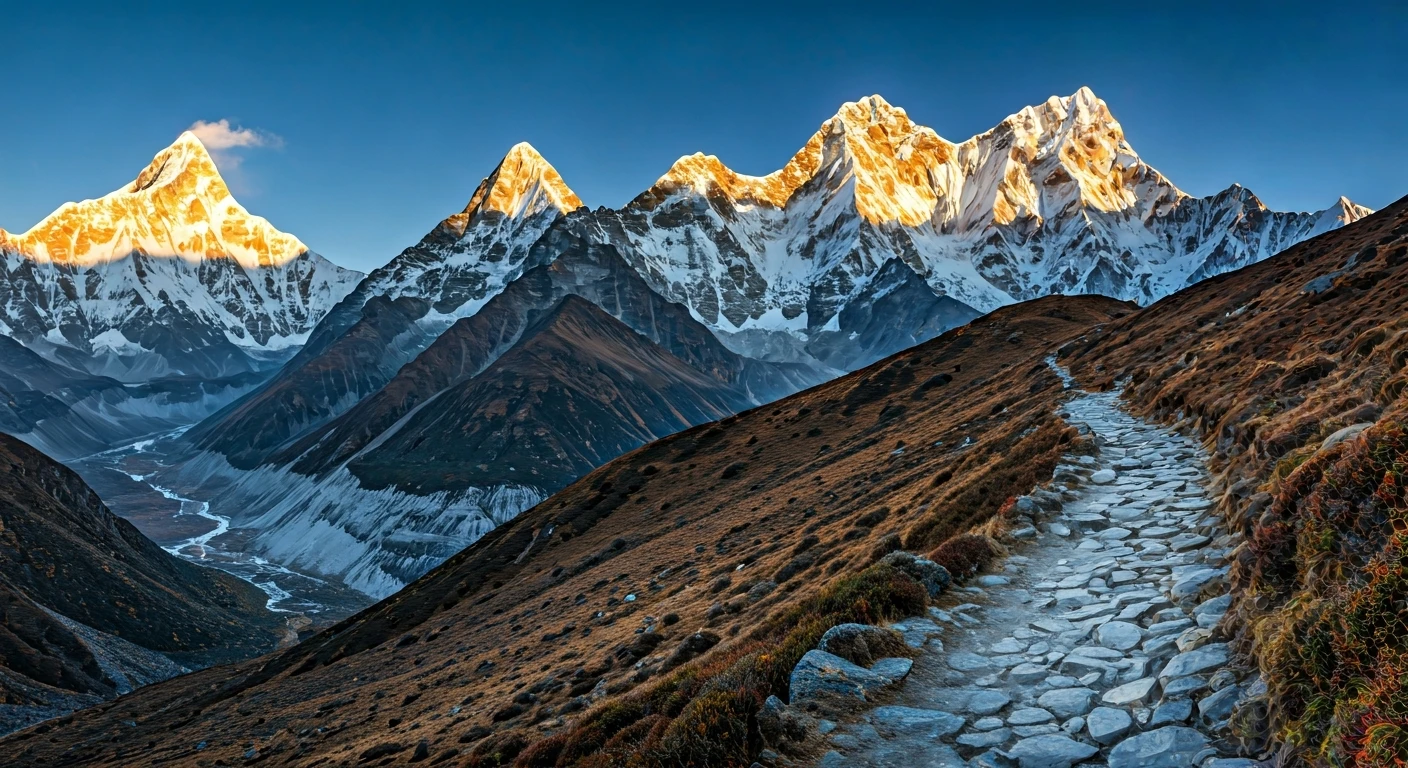
is a place of stark, lunar landscapes, wind-carved canyons, and impossibly blue skies. Getting here is an adventure in itself, involving a multi-day drive over some of the world’s highest and most treacherous mountain passes. The journey weeds out casual tourists, leaving a land that feels raw, remote, and profoundly spiritual. Ancient Buddhist monasteries, some dating back over a thousand years, cling to cliffsides as if suspended between heaven and earth. Villages are small, hardy clusters of whitewashed homes, populated by people whose lives are shaped by the dramatic seasons and the deep tenets of Tibetan Buddhism.
Embracing the High-Altitude Chill
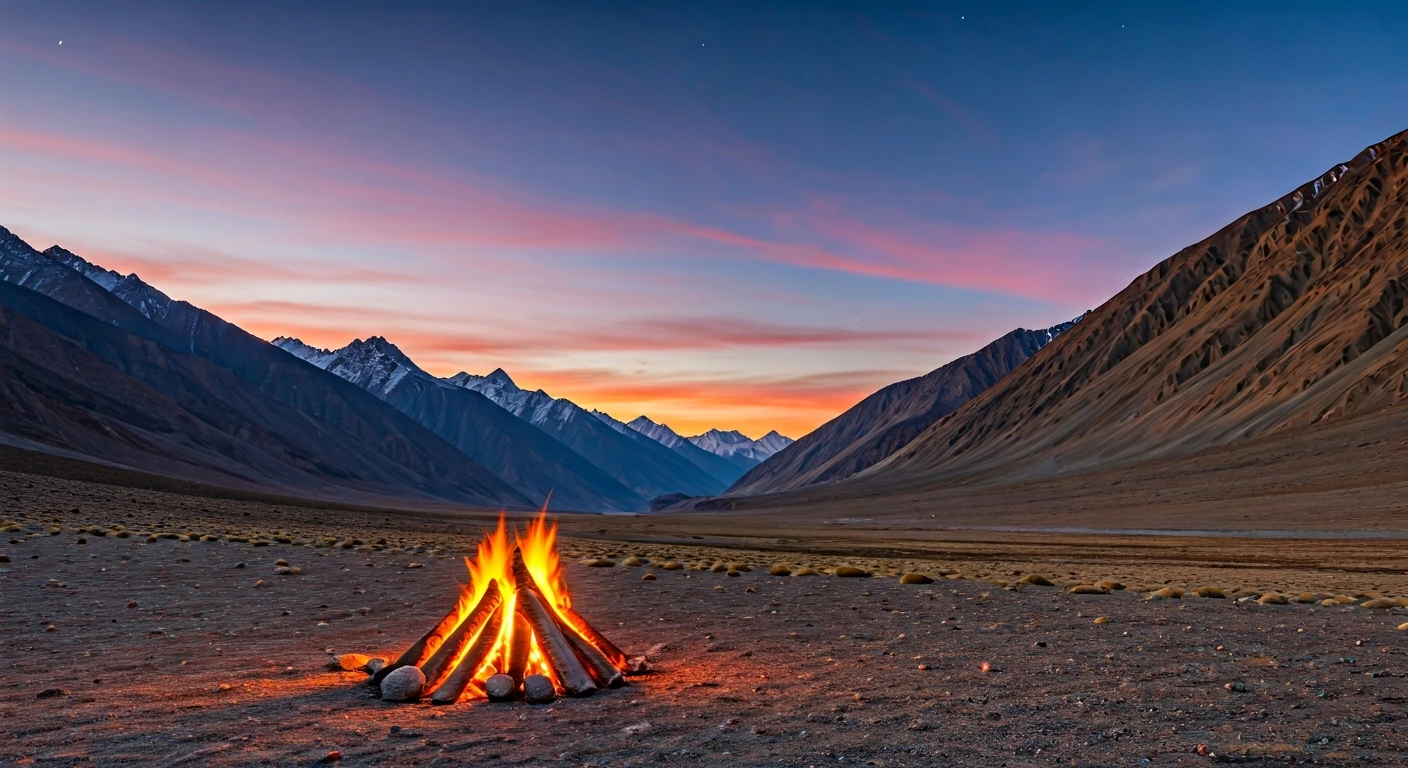
The defining characteristic of Spiti, besides its stunning vistas, is the cold. Even in the height of summer, when the daytime sun is brilliant and surprisingly intense, the moment it dips below the horizon, the air turns sharp and biting. The temperature can drop by 30 or 40 degrees Fahrenheit in a matter of an hour. This isn’t the damp, seeping cold you might find in a coastal city; it’s a dry, clean, and piercing chill that comes with the thin mountain air. It’s the kind of cold that makes you feel alive, that makes every layer of clothing feel earned, and that makes the prospect of a warm fire not just a comfort, but a primal necessity. This dramatic daily shift is what sets the stage for one of Spiti’s most cherished evening rituals.
The Social Heart of the Himalayas
In Spiti, a campfire is so much more than a source of heat. It is the social center of the universe after dark. At campsites in remote valleys or in the courtyards of village homestays, travelers and locals gather as the flames grow. The fire becomes a magnet, pulling people from the solitude of their tents and rooms. It’s here that stories are exchanged—tales of the day’s trek, of close calls on winding roads, of past adventures in faraway lands. It’s where you’ll share a steaming cup of sweet, milky chai or perhaps a taste of the local barley spirit. Guides and porters might start singing traditional Himalayan folk songs, their voices carrying through the crisp, silent air. In a place of such immense scale and quiet, the small circle of light and warmth creates an instant, powerful sense of community and connection among strangers.
A Theater for the Stars
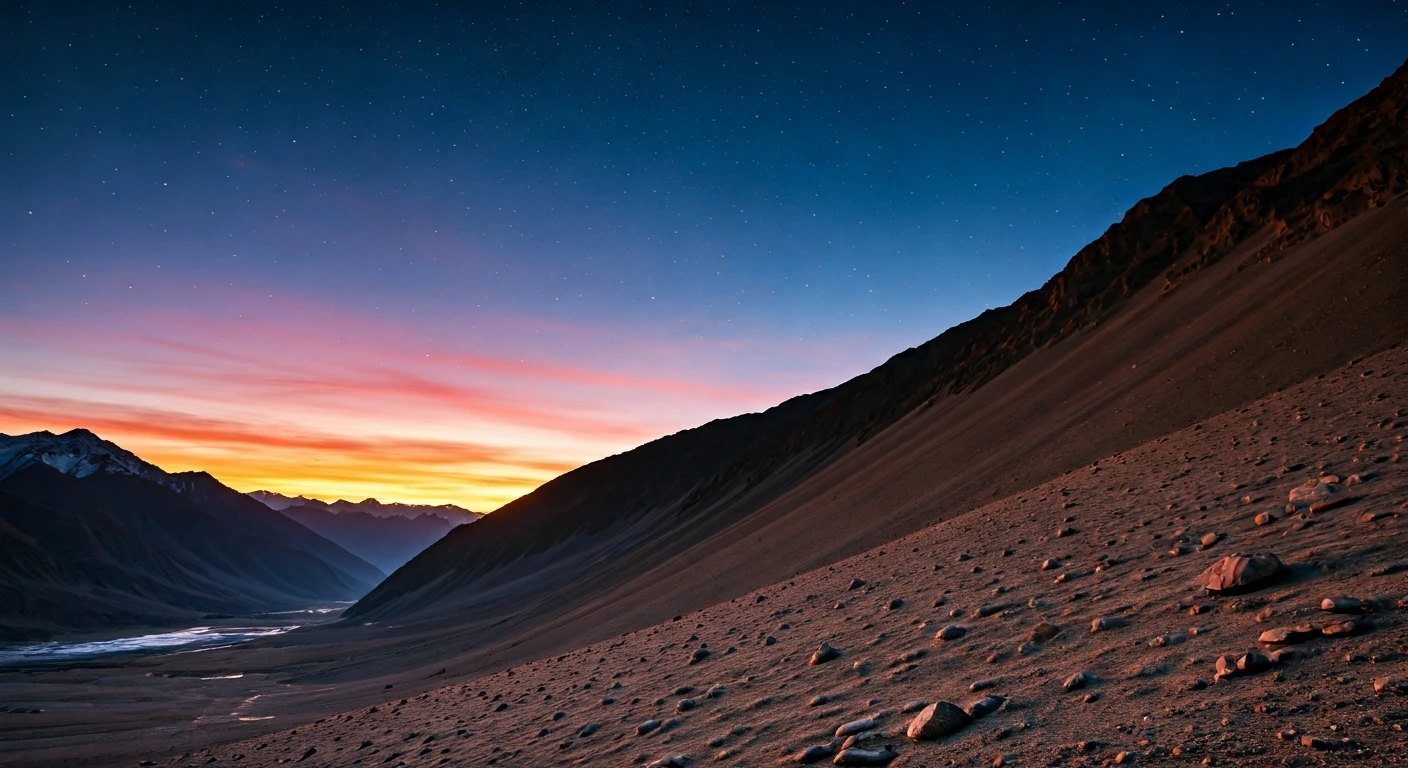
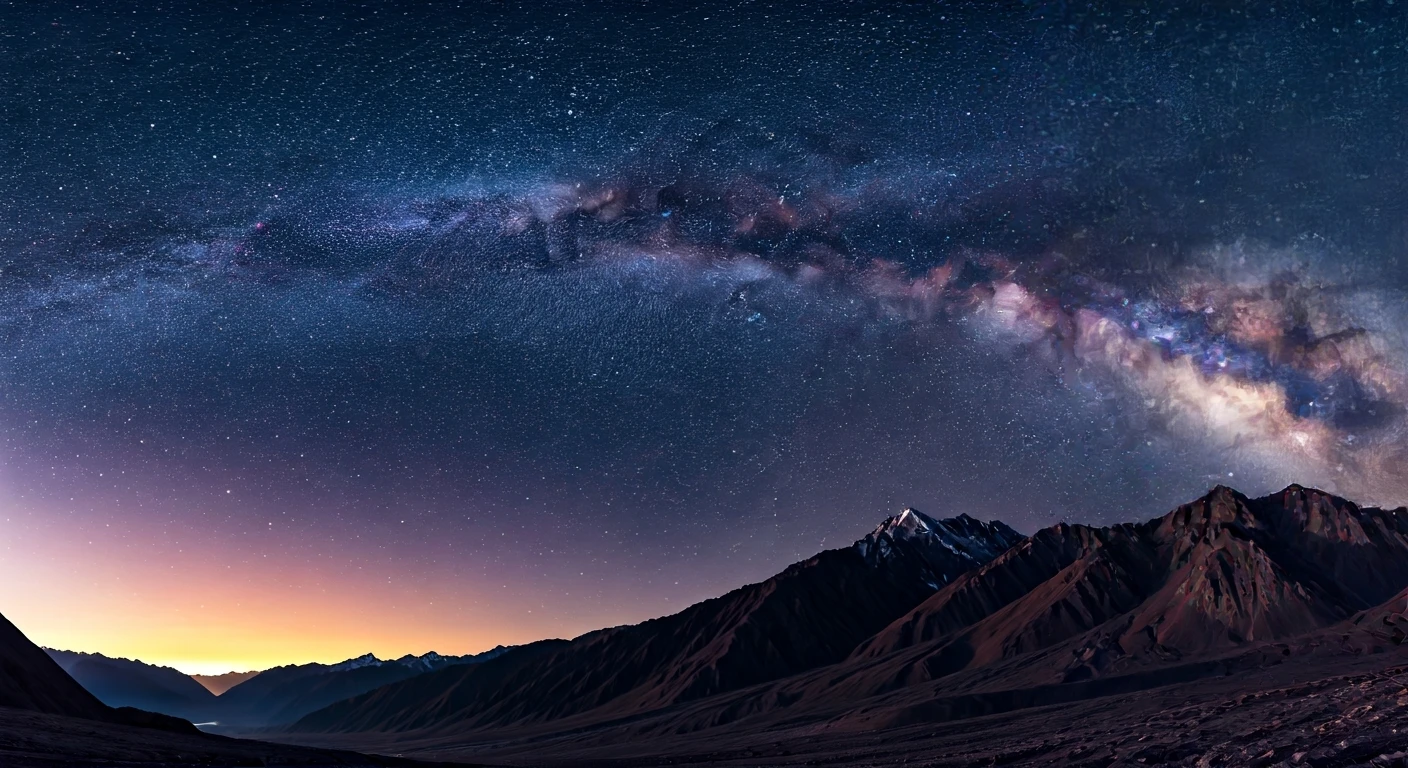
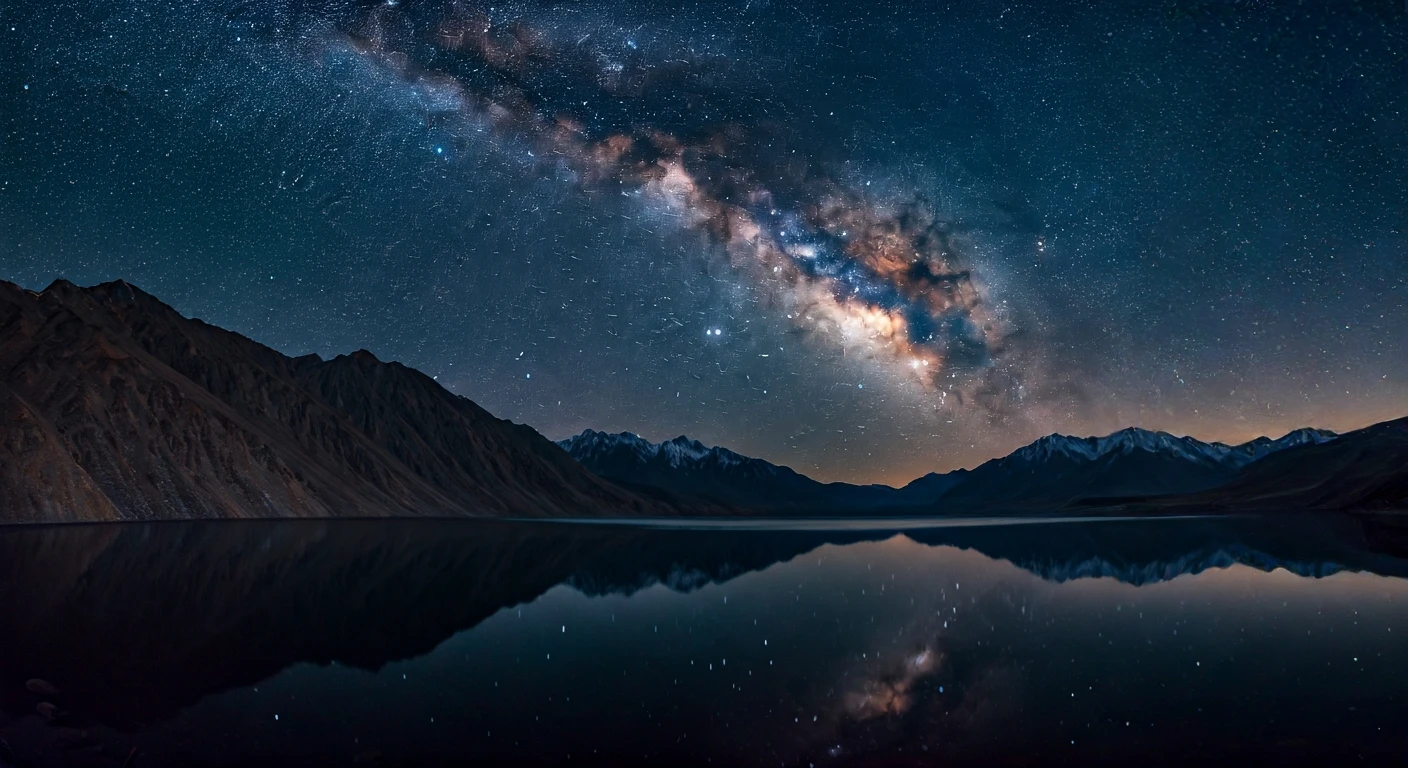
As you sit mesmerized by the dancing flames, someone will inevitably tell you to look up. And when you do, you’ll understand the final piece of the puzzle. Spiti’s high altitude, clear skies, and near-total lack of light pollution make it one of the best places on Earth for stargazing. The sky is not just black with a few specks of light; it’s a glittering, three-dimensional dome packed with an impossible number of stars. The Milky Way isn’t a faint smudge; it’s a brilliant, textured river of light stretching from horizon to horizon. Huddled by the fire, you have a warm, safe anchor from which to contemplate the vastness of the cosmos. The crackling wood provides the soundtrack, the flickering light illuminates the faces of your new friends, and the heavens put on a show of breathtaking grandeur. It's a perfect, unforgettable synthesis of earthly comfort and cosmic wonder.