




The Hydration Imperative
When temperatures climb, your body’s cooling system—sweating—goes into overdrive. While incredibly effective, this process depletes your fluid reserves far faster than you might realize. Dehydration isn't just about feeling thirsty; it’s a systemic issue
that can manifest as headaches, fatigue, brain fog, and irritability. Even mild dehydration can reduce your physical and cognitive performance, making a beautiful summer day feel like a chore. The Institute of Medicine suggests a general baseline of around 13 cups (3.7 liters) of total fluids a day for men and 9 cups (2.7 liters) for women. However, during hot and active summer days, your needs can be significantly higher. Pay attention to your body’s signals—dark-colored urine is a clear sign you need to drink more, but the goal is to hydrate proactively before you even reach that point.
Your Smart Hydration Strategy
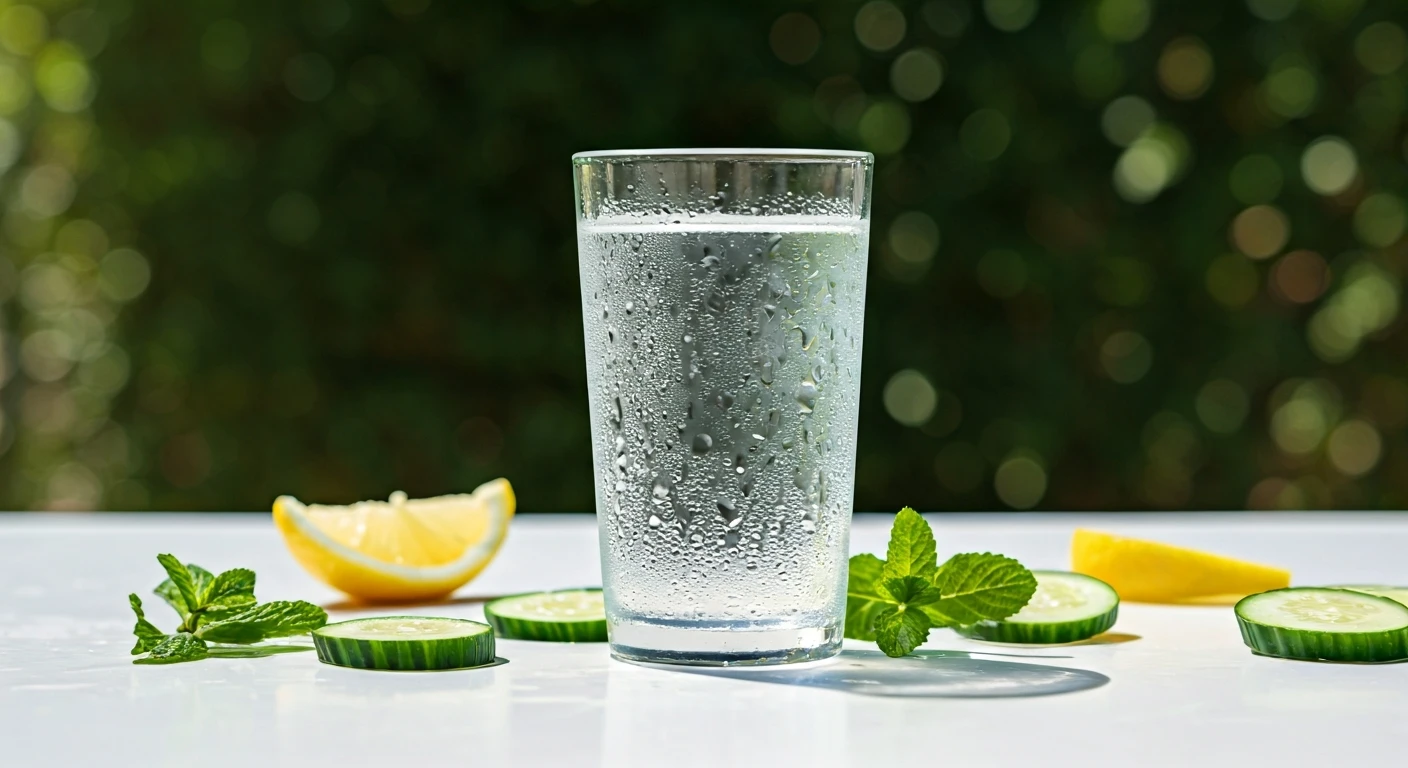
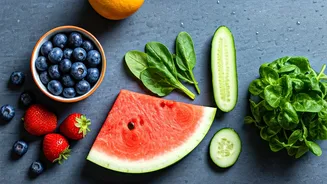
Chugging a gallon of water at once isn’t the most effective method. Your body can only absorb so much at a time. A better approach is consistent, steady intake throughout the day. Start your morning with a large glass of water to rehydrate after a night of sleep. Carry a reusable water bottle as a constant visual reminder. And remember, hydration isn’t just about water. When you sweat, you also lose crucial electrolytes like sodium and potassium. Instead of reaching for sugary sports drinks, incorporate hydrating foods into your diet. Watermelon, cucumber, strawberries, and celery are all packed with water and essential nutrients. For a natural electrolyte boost after a workout or a long day in the sun, coconut water or a glass of water with a pinch of sea salt and a squeeze of lemon can help restore balance.
Why Heat Wrecks Your Sleep
Tossing and turning in a stuffy bedroom is a classic summer misery. The reason is rooted in biology. To initiate and maintain sleep, your body's core temperature needs to drop slightly. High ambient temperatures make this cool-down process difficult, disrupting your natural sleep cycle. Your body has to work harder to thermoregulate, which can lead to more frequent awakenings and less time spent in deep, restorative sleep. This results in next-day grogginess and a diminished capacity to handle stress—including the physical stress of another hot day. Over time, this cycle of poor sleep can weaken your immune system and impact your mental health, making you more vulnerable to everything summer throws at you.
Engineer a Cooler Night's Rest
You don't need a powerful AC unit to reclaim your sleep (though it certainly helps). Start by managing your environment. Use blackout curtains to block the sun’s heat during the day. An hour before bed, take a lukewarm shower; as the water evaporates from your skin, it will help lower your body temperature. Opt for lightweight, breathable bedding made from natural fibers like cotton or linen, which are much better at wicking away moisture than synthetic materials. Strategic fan placement can also make a huge difference. Try positioning one fan to push hot air out of a window and another to circulate cooler air within the room. Some people even swear by placing a bowl of ice in front of a fan to create a makeshift cooling mist.
The Unseen Feedback Loop
Hydration and sleep aren't just separate pillars; they are deeply interconnected. Research shows that poor sleep can disrupt the release of vasopressin, a hormone that helps your body regulate water conservation overnight. When you don't get enough quality sleep, you may release less of this hormone, causing you to lose more water and wake up dehydrated. Conversely, being even mildly dehydrated can disrupt your sleep. It can lead to nocturnal leg cramps, a dry mouth and throat that cause you to wake up, and a general feeling of discomfort that prevents you from sinking into deep sleep. By focusing on both, you create a positive feedback loop: proper hydration supports better sleep, and restorative sleep helps your body stay better hydrated. This synergy is the core of your summer defense plan.