
The Myth of Simplicity
Let’s get one thing straight: in Indian cooking, simple is not the same as basic. The word “basic” implies a lack of thought, skill, or complexity. It’s a label for the uninspired. But the foundational dishes of Indian home cooking—the dals, sabzis (vegetable
dishes), and porridges that have nourished a subcontinent for centuries—are the opposite. They are canvases for immense creativity and technical skill, perfected over generations. Their elegance lies in their economy of ingredients, where each spice has a purpose and every step in the process is deliberate. To call a bowl of perfectly cooked dal “basic” is like calling a perfectly tailored white t-shirt “basic.” It misses the entire point: the genius is in the execution, the quality of the components, and the mastery it takes to make something fundamental feel transcendent.
Dal Is Not Just 'Lentil Soup'
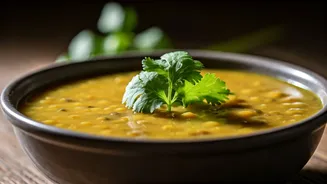
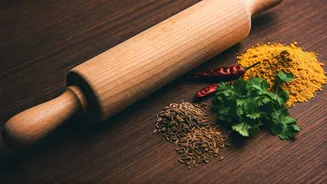
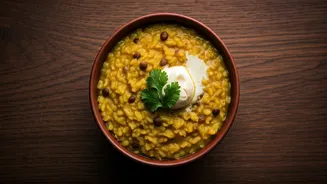
If there’s one dish that bears the brunt of this misunderstanding, it’s dal. Often translated on menus as a generic “lentil soup,” dal is a universe unto itself. It starts with the lentils—dozens of varieties, from the hearty, earthy toor dal to the creamy, quick-cooking masoor dal, each with its own texture and personality. The cooking process is a masterclass in flavor-building. But the final, crucial step is the *tadka* (or *chaunk*), a technique where whole and ground spices like cumin seeds, mustard seeds, and asafoetida are bloomed in hot ghee or oil. This aromatic fat is then poured over the cooked lentils, causing a dramatic sizzle that infuses the entire dish with a complex, layered aroma and taste. A tadka isn’t just a garnish; it’s the soul of the dal. The type of fat used, the specific spices, the moment they are added—these are decisions that define a cook’s signature and a region’s identity. It’s a high-wire act of timing and temperature that takes years to master.
Home Cooking vs. Restaurant Glamour
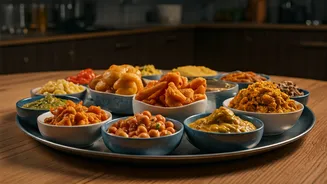
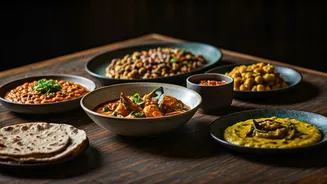
Part of the problem is the disconnect between Indian restaurant food and Indian home cooking. In the U.S., familiarity with Indian cuisine often begins and ends with a restaurant menu designed to impress. We gravitate toward the rich, decadent curries like butter chicken or the elaborate, show-stopping biryanis. These are celebration foods, dishes made for special occasions. They are fantastic, but they don’t represent the everyday reality of an Indian meal. The true heart of the cuisine lies in the home kitchen, with meals centered around dal, rice, roti (flatbread), and a simple vegetable dish. This is the food that provides daily sustenance, the food that mothers make for their families, the food that tastes like home. By judging the entire cuisine by its most opulent restaurant ambassadors, we overlook the quiet, profound brilliance of its everyday staples.
The Deep Comfort in the 'Basic'
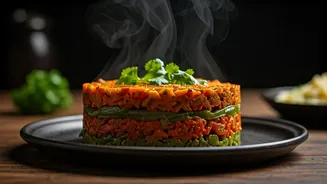
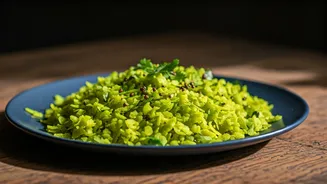
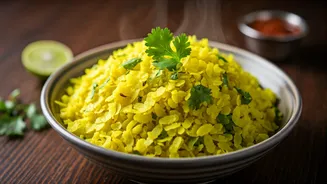
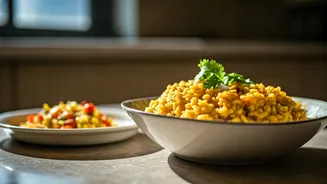
The ultimate defense against the “basic” label is the very function these dishes serve. Take khichdi, a humble one-pot dish of rice and lentils. It can be as simple or as complex as the cook desires, sometimes spiced lightly, other times studded with vegetables and fragrant with ghee. It’s the first solid food for babies, the go-to meal for someone recovering from an illness, and a source of deep, uncomplicated comfort for everyone else. Then there’s rajma chawal—kidney beans in a thick, spiced tomato-onion gravy served over rice. For millions in North India, it’s not just a meal; it’s the smell of a lazy Sunday afternoon, a weekly ritual that’s as much a part of the family calendar as a holiday. The comfort in these foods isn't derived from an Instagram-friendly aesthetic or a laundry list of expensive ingredients. It comes from memory, from ritual, and from the love and care embedded in their preparation.