
The Rise of the Un-Itinerary
First, let's define our terms. 'Slow travel' isn't about taking longer to get somewhere; it's about rejecting the very idea of a frantic, checklist-driven vacation. It’s the antithesis of the 'if it's Tuesday, this must be Belgium' school of tourism.
Instead of trying to see five cities in five days, the slow traveler opts to stay in one place, absorbing the local rhythm, culture, and environment. It’s about connection over collection—connecting with a place, with your travel companions, and with yourself, rather than just collecting passport stamps and Instagram posts. The goal isn't to 'do' everything, but to experience something fully.
Why the Hills Are Calling
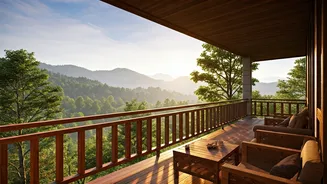
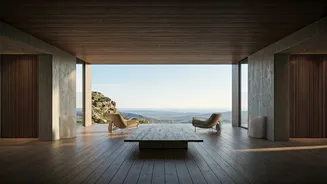
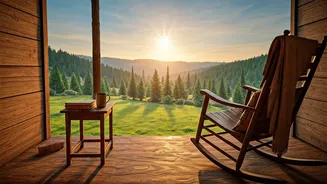
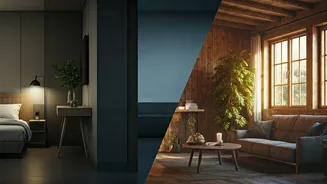
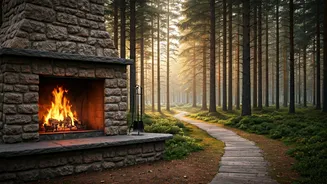
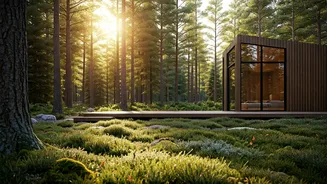
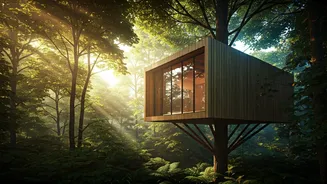
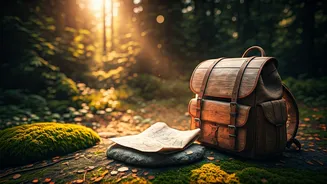
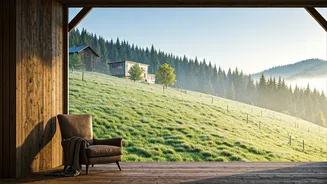
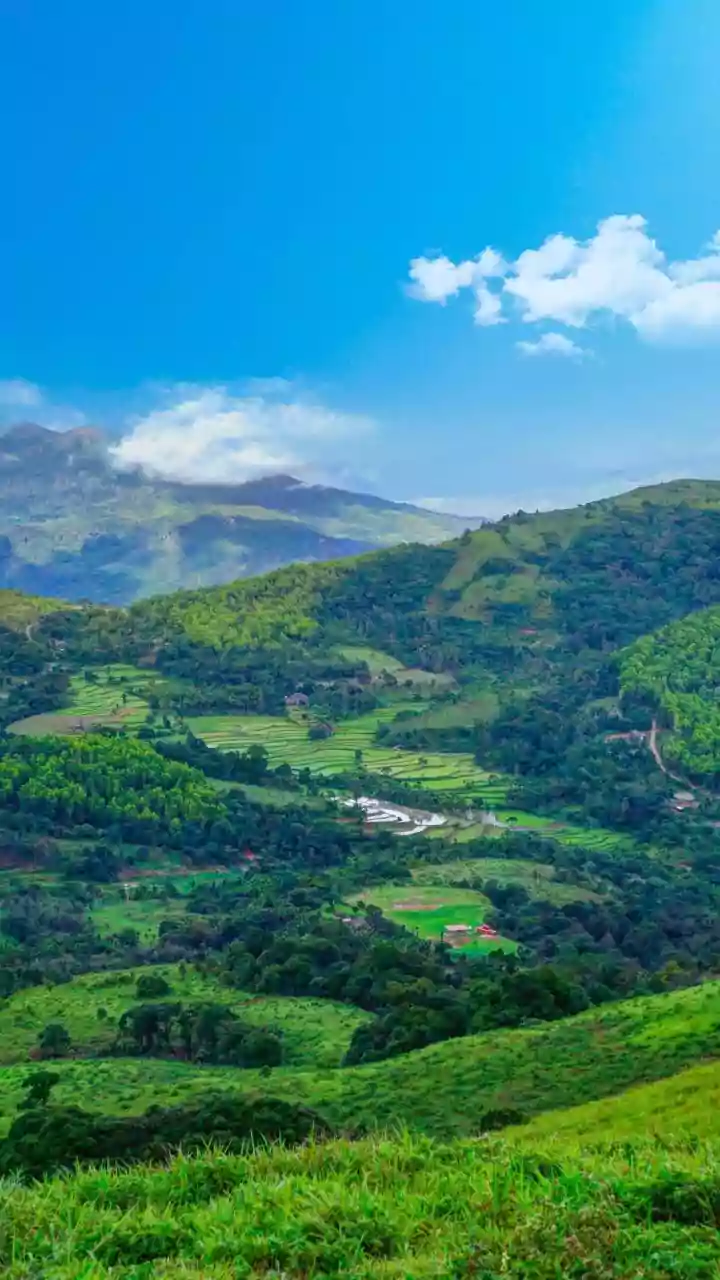
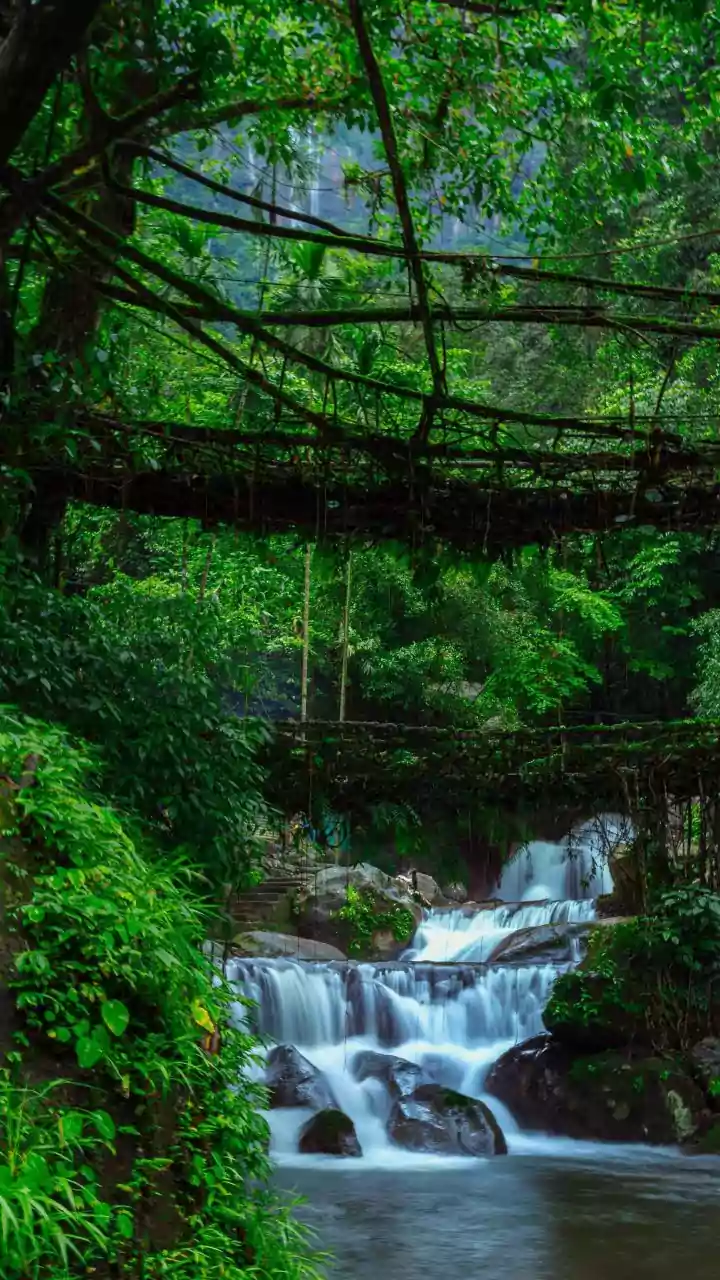
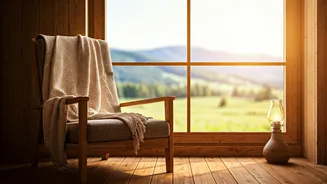
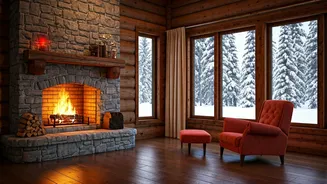
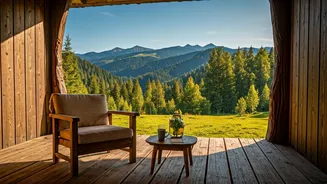
This is where the 'hill homestay' comes in. These aren't sprawling resorts but intimate, often independently owned properties nestled in nature: a cozy A-frame cabin in the Catskills, a rustic lodge in the Blue Ridge Mountains, or a modern retreat overlooking a California canyon. These locations are the perfect incubator for the slow travel ethos. By their very geography, they encourage you to decelerate. There are no lines, no crowds, and no pressure to be anywhere at a specific time. Your daily agenda might be as simple as: drink coffee on the porch, go for a hike, read a book by the fire, and cook a meal with ingredients from a local farm stand. This simplicity is the ultimate luxury.
An Antidote to Digital Burnout
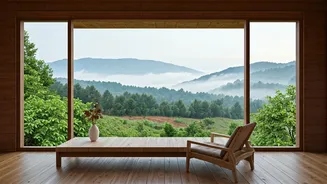
The boom in this style of travel isn't happening in a vacuum. It's a direct response to our hyper-connected, over-stimulated, and often overwhelming daily lives. For many Americans, life is a blur of Slack notifications, overflowing inboxes, and the endless, algorithm-fueled scroll. A traditional vacation to a bustling city can sometimes feel like swapping one form of chaos for another. Hillside getaways offer a genuine escape. Weak cell service, once a source of panic, is reframed as a blessing. The absence of Wi-Fi becomes an invitation to log off and look up. These trips provide a much-needed digital detox, allowing our brains to reset and our focus to shift from the screen in our hand to the world right in front of us.
More Than Just a Pretty View
While the stunning vistas are a major draw, the appeal of a hill homestay runs deeper. It’s about fostering a different kind of presence. Without the distraction of a packed schedule, you have time for unstructured activities that build memories: lingering conversations, spontaneous walks in the woods, or simply sitting in comfortable silence watching the sunset. These moments are increasingly rare in our scheduled-to-the-minute lives. The home-like setting of a cabin or lodge also encourages a different kind of travel. You're not just a guest; you're a temporary resident. You shop at the local market, you cook your own food, and you become a small part of the local ecosystem, even if just for a weekend.
The New Accessible Escape
Perhaps the most powerful driver of this trend is its accessibility. You don’t need a passport or a long-haul flight to experience it. For millions of Americans living in or near major cities, a serene mountain escape is just a few hours' drive away. This makes it a practical option for a long weekend or a week of remote work with a much better view. The rise of platforms like Airbnb and Vrbo has made finding these hidden gems easier than ever. This democratization of the rural retreat means that a restorative, nature-filled break is no longer a privilege reserved for the ultra-wealthy, but a viable, soul-soothing option for anyone feeling the pull of a quieter, slower pace.