
The End of the Endless Quest
For years, the mark of a true 'foodie' was a passport full of stamps and a palate accustomed to far-flung flavors. We chased the perfect Neapolitan pizza, the most authentic bowl of ramen, the spiciest Sichuan hot pot. The culinary world felt like a global
treasure hunt, where prestige was measured in distance and obscurity. But a funny thing happened on the way to the airport: we started looking in our own backyard. A quiet, delicious revolution is underway, as diners and chefs alike pivot from global pursuits to regional revelations. The new discovery zone isn't about finding the best dish from another continent; it's about uncovering the incredible, often-overlooked dishes that define the towns and regions of America.
Why We're Craving Closer to Home
So, why the sudden shift? It’s a trend simmering with a mix of social media savvy, a post-pandemic hunger for connection, and a renewed appreciation for American ingenuity. Platforms like TikTok and Instagram have become digital road maps, where a 30-second video can turn a little-known dish from Appalachia or the Midwest into a national obsession. A clip of a gooey, cheese-stuffed burger from a Minneapolis dive bar can rack up millions of views, creating instant culinary tourism. Beyond the screen, there's a deeper psychological pull. After years of disruption and distance, there’s a collective craving for comfort, story, and a sense of place. These regional bites aren’t just food; they’re edible history. They tell stories of immigration, economic hardship, community celebration, and geographic identity. A dish born of necessity in a 1930s coal mining town feels more tangible and 'real' right now than an abstract foam served on a slate platter.
What's on the Regional Menu?
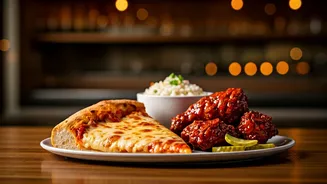
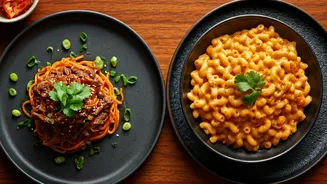
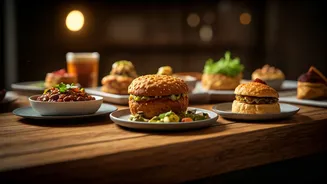
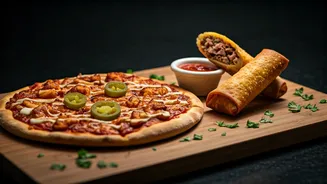
This isn't about barbecue or clam chowder—dishes that have already achieved national fame. This is about the next layer of American cuisine. Think of the West Virginia pepperoni roll, a brilliant and simple creation of pepperoni baked inside soft bread, originally designed as a portable, no-fuss lunch for coal miners. Or travel to Minneapolis for a 'Jucy Lucy' (the spelling is famously debated), a burger where the molten American cheese is sealed *inside* the patty, creating a lava-like explosion with the first bite. In Ohio, you'll find Cincinnati chili, a Mediterranean-spiced meat sauce famously served over spaghetti and buried under a mountain of shredded cheddar cheese—a 'five-way' if you add beans and onions. Head south to Mississippi and you might encounter the 'slugburger,' a Depression-era patty stretched with flour or soy meal, deep-fried to a crisp, and served with mustard and pickles. These dishes are quirky, specific, and utterly tied to their hometowns. They are proud, unpretentious, and, most importantly, delicious.
Chefs Are Coming Home, Too
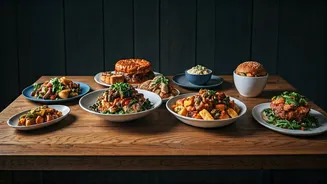
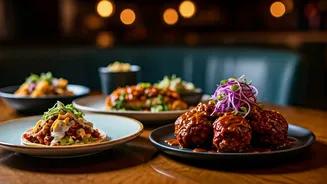
This movement isn't just happening in diners and church basements. Acclaimed chefs are embracing it, too. Instead of feeling pressure to replicate French or Japanese techniques, many are finding inspiration in their own heritage. You now see fine-dining menus featuring elevated takes on family recipes or hyper-local ingredients that were once dismissed as provincial. This shift validates these culinary traditions, placing them on the same pedestal once reserved for international cuisine. It transforms a 'simple' regional dish into a source of pride and creative exploration. Small towns, once considered culinary flyover country, are becoming destinations in their own right, drawing visitors who want to taste the genuine article right at the source.