



The Great Rebalance
For years, the loudest voices in fitness preached a gospel of intensity. Go harder, sweat more, burn it all down, and maybe post your exhaustion on Instagram. But a quiet revolution is taking hold, accelerated by a global pandemic that forced a collective
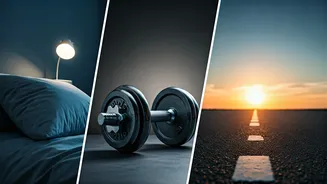
re-evaluation of what 'health' truly means. The emerging philosophy isn't about chasing extreme goals; it's about building a foundation for a long, vibrant life. This new approach recognizes that true fitness isn't just about how much you can lift or how fast you can run today. It's about having the energy to play with your kids, the mobility to bend down without a second thought, and the mental resilience to handle life’s stressors. It’s a move from a purely aesthetic or performance-based model to one centered on longevity and quality of life, built on three simple but powerful pillars.
First, It Wants You Strong
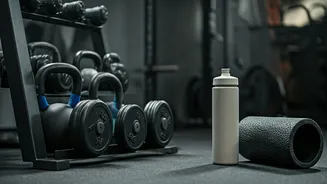
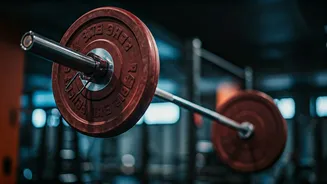
Cardio has long been the default for anyone looking to get 'in shape.' But the tide is turning decisively toward strength training. Experts now recognize building and maintaining muscle mass as one of the single most important things you can do for your long-term health. Why the shift? Muscle is your metabolic engine, burning calories even at rest. It’s also your structural armor, protecting your bones and joints from injury and improving your posture and balance. As we age, we naturally lose muscle mass in a process called sarcopenia, which contributes to frailty and a decline in function. Strength training is the direct antidote. This doesn’t mean you need to become a powerlifter. The future of strength is accessible: think kettlebells, resistance bands, and bodyweight exercises that build functional strength—the kind you use in everyday life, like lifting groceries or a toddler.
Then, It Wants You Rested
The other side of the 'no pain, no gain' coin was the shaming of rest. A day off was seen as a sign of weakness. Now, recovery is finally getting its moment in the spotlight, and it’s being treated as an active, essential part of any fitness plan. Your body doesn’t get stronger during the workout; it gets stronger during the recovery that follows. This new focus goes far beyond just getting eight hours of sleep (though that’s still crucial). It encompasses an entire ecosystem of 'active recovery' practices. We’re talking about mobility work and stretching to improve range of motion, foam rolling to release muscle tension, and the booming trend of contrast therapy—alternating between heat (like an infrared sauna) and cold (like a cold plunge or chilly shower) to reduce inflammation and speed up repair. Prioritizing rest isn't lazy; it's the strategy that unlocks your gains and prevents the burnout that derails so many fitness journeys.
Finally, It Wants You Outside
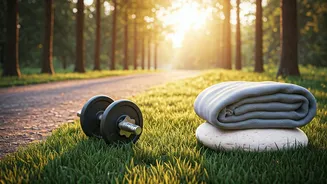
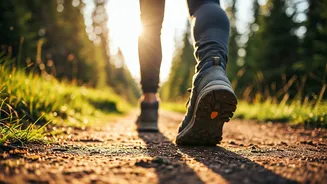
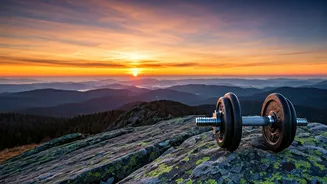
After years of being tethered to screens and confined to boutique studios, we’re rediscovering the world’s greatest gym: the outdoors. The pandemic pushed millions of people out of indoor workout spaces and onto local trails, parks, and bike paths, and the habit stuck. The benefits are more than just a change of scenery. Exercising outdoors—sometimes called 'green exercise'—combines the physical benefits of a workout with the proven mental health boosts of being in nature. Studies show that outdoor activity can reduce stress, anxiety, and rumination more effectively than its indoor equivalent. The uneven terrain of a trail challenges your stability and supporting muscles in ways a treadmill can't. Plus, you get a free dose of Vitamin D. Whether it’s a simple walk, a trail run, a park yoga session, or a group bootcamp, the future of fitness is looking a lot less like a dark, sweaty room and a lot more like a sun-dappled forest.