
Beyond the Buffet Menu
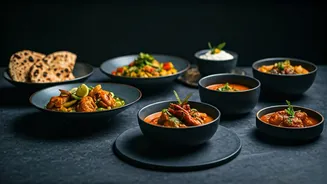
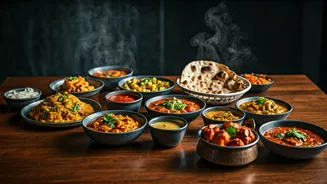
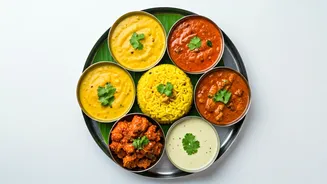
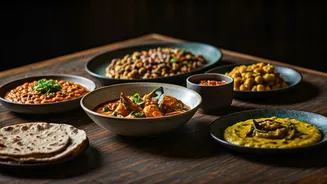
Let’s be honest: for most Americans, the experience of Indian food has been remarkably consistent. The menu, whether in Minneapolis or Miami, was a greatest-hits collection derived largely from Punjabi cuisine. It was delicious, comforting, and brilliantly
successful at introducing Indian flavors to the West. But it was also a deeply incomplete picture, like judging all American food by cheeseburgers and fries. This North Indian dominance wasn't an accident. It reflected the background of many early restaurateurs and their savvy decision to present a simplified, cream-based, and less intimidating version of their homeland’s food to an unfamiliar public. The result was a generation of restaurants that, while beloved, ultimately served a similar roster of dishes. That era is now officially over. A new generation of chefs is refusing to sand down the edges, smooth out the spice, or apologize for the funk.
The New Storytellers
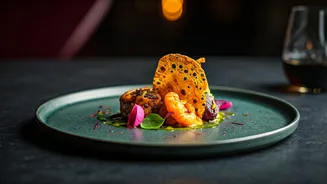
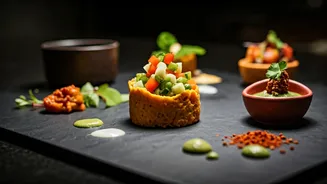
The vanguard of this movement is a cohort of chefs and restaurateurs who are cooking with a new kind of confidence, grounded in personal history and regional pride. Take Chintan Pandya, the force behind New York City’s wildly popular Dhamaka and Semma. Dhamaka brands itself as serving “unapologetic Indian” food, focusing on forgotten recipes and rural preparations from across the subcontinent. Semma, which earned a coveted Michelin star, dives deep into the flavors of Southern India, specifically the Tamil Nadu region where chef Vijay Kumar grew up. These aren't fusion concepts; they are hyper-specific culinary deep dives. In San Francisco, restaurants like Ettan and Copra, from chef Srijith Gopinathan, celebrate the coastal cuisine of Kerala, where coconut, black pepper, and fresh seafood reign supreme. These chefs are not just cooking dinner; they are acting as cultural translators, telling the stories of their childhoods one plate at a time.
A Map of Delicious Specificity
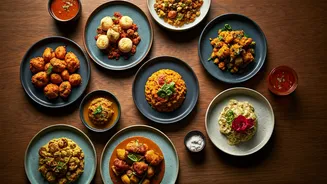
So what does this regional focus actually taste like? It means swapping creamy, tomato-based gravies for entirely new flavor profiles. From the South, you get the tangy, tamarind-laced seafood curries of Kerala and the peppery, aromatic Chettinad dishes of Tamil Nadu. Look to the West, and you might find the coastal cuisine of Goa, with its Portuguese-influenced vindaloos that are fiery, complex, and traditionally made with pork, not lamb. From the East, the food of Bengal offers delicate fish preparations steamed in mustard oil and banana leaves, alongside sweets that are legendary across India. And from the mountainous North, the food of Kashmir brings forth rich, aromatic lamb dishes like rogan josh, flavored with fennel and dried ginger. Each region has its own distinct spice blends (masalas), cooking fats (mustard oil, coconut oil, ghee), and staple grains. It’s a landscape as diverse as the difference between New England clam chowder and Texas brisket.
Why Now, and Why It Matters
Several forces are fueling this delicious trend. First, a new generation of Indian-American chefs, many of whom grew up in the U.S., feel empowered to cook the food of their families without compromise. They are no longer just catering to a Western palate; they are celebrating their own heritage. Second, American diners have become far more adventurous. Decades of travel shows, food blogs, and a general obsession with authenticity have created an audience that is not just willing but eager to try something new, spicy, or unfamiliar. Finally, it’s about representation. This movement allows the term “Indian food” to finally reflect the immense diversity of India itself—a country with more than two dozen official languages and a culinary tapestry to match. By celebrating regionality, these restaurants are challenging a monolithic stereotype and replacing it with a mosaic of specific, vibrant, and personal stories.