





Beyond the Hallyu Wave
Let’s get one thing straight: South Korea’s global moment is loud. The electric energy of K-Pop, the dramatic pull of K-dramas, and the neon-drenched streets of Seoul are what most Americans see first. This cultural wave, known as *Hallyu*, has put the country
on the map for a new generation of tourists seeking excitement and pop-culture pilgrimage sites. But look just past the vibrant foreground, and you’ll find a quieter, more profound current pulling in a different kind of visitor.
These are the quiet travelers—the solo wanderers, the introspective duos, the people who want to feel a sense of place without being overwhelmed by it. They're discovering that the same country famous for its high-tech, fast-paced society is also a master of serene escapes and mindful moments. It’s a land of ancient mountains that cradle futuristic cities, a place where you can find profound silence just a subway ride away from a bustling market.
Finding Stillness in a Temple Stay
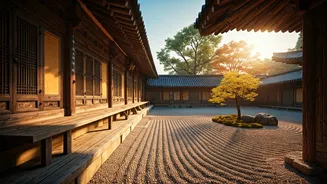
Perhaps the most direct route to Korea’s quiet heart is the temple stay. Hundreds of Buddhist temples across the country open their doors to visitors for overnight experiences, offering a structured glimpse into monastic life. This isn’t a luxury spa retreat; it's a genuine immersion in simplicity. Guests are given modest robes, participate in pre-dawn chanting, and join in formal, silent meals known as *baru gongyang*.
The appeal isn’t just novelty. It’s the enforced break from digital tethers and decision fatigue. The schedule is set, the food is simple (and vegetarian), and the day is punctuated by meditation, quiet work periods, and conversations with monks. For a traveler weary of endless choices and constant stimulation, spending 24 hours in a place like Beopjusa Temple at the foot of Songnisan mountain can be more restorative than a week on a beach. It’s a system reboot for the soul.
A Hiker's Paradise Hiding in Plain Sight
You might not think of a metropolis of 10 million people as a nature destination, but that’s one of Seoul’s biggest secrets. The city is hugged by mountains, and hiking isn’t just a hobby here; it’s a national pastime. Parks like Bukhansan National Park are accessible directly from the subway, offering miles of well-maintained trails that lead to granite peaks with staggering city views.
Unlike the competitive, gear-heavy hiking culture in some parts of the U.S., Korean hiking is social, meditative, and accessible. You’ll see grandmothers in their 80s making their way to the top, friends sharing kimbap at a scenic overlook, and solo hikers lost in thought. For a quiet traveler, this provides a perfect rhythm: a challenging physical journey followed by the quiet reward of a panoramic view, all within the bounds of a single, efficient day trip.
The Art of the Solo Café Experience
In America, a coffee shop is often a place for a quick transaction or a loud business meeting. In Korea, the café is a destination in itself—a “third place” perfected for lingering. Every neighborhood seems to have dozens of independent cafés, each with a distinct aesthetic, from minimalist concrete galleries to cozy, book-lined nooks and sprawling converted warehouses.
This is a culture tailor-made for the solo traveler. No one will rush you. It is perfectly normal to claim a table for hours with a book, a laptop, or just your thoughts. The focus is on atmosphere and personal space. For someone traveling alone, it provides a safe and comfortable public living room where you can recharge, plan your next move, or simply watch the world go by without the pressure to constantly be doing something.
Effortless, Independent Exploration
Ultimately, what makes South Korea so appealing to the quiet traveler is the ease of it all. The country’s public transportation is a marvel of efficiency and cleanliness. The high-speed KTX train can whisk you from Seoul to the coastal city of Busan in under three hours. City subway systems are safe, logical, and have English signage. This infrastructure removes the primary stress of solo travel—the logistical headache.
You don’t need to rent a car or haggle with taxi drivers. You can confidently navigate from a mountain temple to a city center to a seaside village on your own schedule. This freedom empowers a more spontaneous, introspective style of travel, where the journey itself becomes a seamless and peaceful part of the experience.