






The Real Trip-Ruiner
Let’s be honest: the anxiety we pour into packing is wildly disproportionate to the actual risk. Forgetting your favorite sweater is a bummer. Forgetting your toothbrush is a $3 problem. But spending two precious vacation days curled up in a hotel bathroom?
That’s a catastrophe. According to the CDC, traveler's diarrhea is the most common travel-related illness, affecting an estimated 30% to 70% of travelers, depending on the destination and season. This isn’t just a minor upset; it’s a trip-derailing event caused by consuming contaminated food or water. It cancels tours, ruins beach days, and replaces happy memories with fever, cramps, and misery. While your meticulously curated packing list sits in your suitcase, the real threat to your trip is on your plate.
Master the Water Rules
The number one rule of food safety abroad—and often domestically in unfamiliar rural areas—begins with water. Your default should always be sealed, bottled water. If that’s not available, water must be boiled vigorously for at least one minute (or three minutes at altitudes above 6,500 feet) or properly treated with a chemical disinfectant or certified filter. This isn't just for drinking. Use safe water for brushing your teeth. Avoid ice in your drinks unless you're certain it was made from purified water; the freezing process doesn't kill most pathogens. Be wary of fresh salads or uncooked fruits and vegetables that may have been washed in tap water. That beautiful, crisp lettuce could be harboring the bacteria that will send you running for the restroom. When in doubt, stick to bottled sodas, canned juices, and hot beverages like tea or coffee.
Follow the 'Boil It, Cook It, Peel It, or Forget It' Mantra
This simple phrase is your best defense when navigating menus and markets. 'Boil it' refers to things like soups and hot beverages. 'Cook it' means sticking to foods that are served piping hot. The heat required for cooking kills most harmful bacteria, viruses, and parasites. If a dish from a buffet or street stall is lukewarm, it’s been sitting in the temperature 'danger zone' (40°F to 140°F) where bacteria can multiply rapidly. 'Peel it' applies to fruits and vegetables. A banana, an orange, or an avocado are great choices because you remove the contaminated outer layer yourself. Anything you can't peel, like grapes or berries, should be avoided unless you can wash them yourself with purified water. And 'forget it'? That’s everything else—from the tempting cheese platter to the alluring local ceviche.
Be Smart About Street Food
Telling a traveler to avoid all street food is like telling them not to see the sights. It’s part of the experience. But you can be strategic. Don’t just pick the closest cart; pick the busiest one, especially if it has a long line of locals. A high turnover rate means the food is fresh and not sitting around. Watch how the food is prepared. Is it cooked to order in front of you? Does the vendor use separate utensils for raw and cooked ingredients? Do they appear to have a system for handling money separately from food? Look for signs of general cleanliness. While a street stall won’t have the sterile environment of a hospital, you can get a good feel for basic hygiene. A vendor who takes pride in their stall's cleanliness is likely taking pride in their food, too.
Pack a Small Health Arsenal
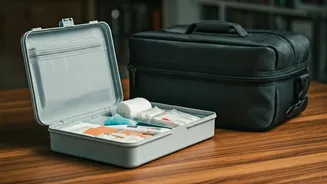
Ironically, the best way to safeguard your trip with food safety is to add a few key items to that packing list. An alcohol-based hand sanitizer (with at least 60% alcohol) is non-negotiable for cleaning your hands when soap and water aren’t available. Water purification tablets are a lightweight, invaluable backup. It’s also wise to consult your doctor before you go about packing an anti-diarrheal medication like loperamide (Imodium) and perhaps an antibiotic prescribed for traveler's diarrhea, especially if you're heading to a high-risk area. Having these on hand can reduce the severity and duration of an illness, turning a three-day disaster into a half-day inconvenience. This isn't about planning for failure; it’s about packing the tools for a resilient, uninterrupted adventure.