



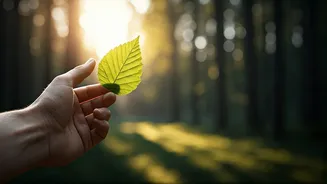


The Rise of the 'Soft Flex'
For generations, the 'couple flex' was an exercise in conspicuous consumption. It was the diamond bracelet, the front-row seats, the impossible-to-get reservation at a Michelin-starred restaurant, all meticulously documented for public approval. But a different
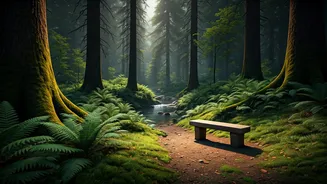
kind of status symbol is taking root, one that trades material value for experiential wealth. Enter the pine forest walk.
This isn't about snapping the perfect filtered photo for Instagram, though that might happen. It's about signaling something deeper: a shared commitment to wellness, a rejection of digital noise, and the luxury of having uninterrupted time together. In a world saturated with performative hustle, choosing to step away into nature is the ultimate power move. It says, 'We don't need the external validation. We have this.' It’s a quiet flex, a 'soft flex,' but its message is loud and clear: our connection is the prize.
The Science of a Shared Stroll
This trend isn't just rooted in vibes; it's backed by science. The Japanese have a term for it: *shinrin-yoku*, or 'forest bathing.' The practice isn't about hiking or exercise, but simply being in nature and connecting with it through our senses. Studies have shown that spending time in a forest can reduce stress by lowering cortisol levels, decrease blood pressure, and boost immune function. The phytoncides—aromatic compounds released by trees like pines—have even been linked to improved mood and reduced anxiety.
When a couple does this together, the benefits multiply. They're not just getting a dose of nature's medicine; they're creating a shared sanctuary. Away from the pings of notifications and the pressure of daily logistics, conversation can flow more freely. It's a space for vulnerability and genuine connection, fostering the kind of intimacy that a loud, crowded bar simply can't offer. Sharing that calm, restorative state deepens a bond in a way that few other activities can.
An Antidote to Digital Burnout
Part of the appeal of the forest walk is what it’s not: it’s not online. It is a deliberate act of unplugging. In an era where relationships are often curated for a digital audience—from the 'soft launch' on Instagram stories to the public anniversary post—a private walk in the woods feels refreshingly real. It’s an experience that belongs entirely to the two people in it, not their followers.
This act of reclaiming privacy is, paradoxically, the new thing to show off. It implies a relationship so secure it doesn’t need constant digital proof of its existence. By choosing the scent of pine needles over the glow of a phone screen, a couple signals a shared priority: their connection is more important than their content. This intentional disconnection is a form of self-care for the relationship itself, a way to buffer it from the relentless demands of the online world.
Mastering the Art of the Walk
So, what does this 'flex' look like in practice? It’s less about the 'where'—any local park with a wooded trail will do—and more about the 'how.' The first, unspoken rule is that phones stay in pockets, preferably on silent. The goal is to be present with each other and the environment.
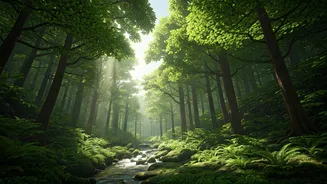
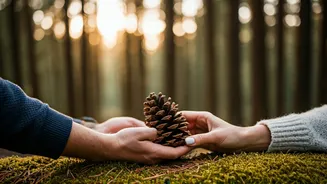
It’s about noticing the little things together: the way the light filters through the canopy, the crunch of pine needles underfoot, the crisp scent of the air. The conversation isn't about logistics or complaints; it's about whatever comes to mind in the quiet space you've created. It’s not about covering a certain mileage or reaching a specific destination. The walk itself is the destination. It's a moving meditation for two, a simple ritual that reinforces the foundation of the relationship one step at a time.