




The Rebellion Against Perfect Weather
For decades, the American ideal of a vacation was built on a singular, sun-drenched promise. We were sold images of turquoise water, blindingly white sand, and the guarantee of a tan. Anything less—a cloudy day, a sudden shower—was seen as a failure,
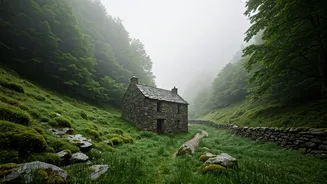
a trip ruined by meteorological misfortune. But a quiet rebellion is brewing. A growing number of us are rejecting the pressure of a 'perfect weather' holiday and instead seeking out something more atmospheric, more authentic, and infinitely more relaxing. We are trading the frantic pursuit of sunshine for the quiet permission to do nothing at all, granted by a grey, misty sky. This isn't about loving bad weather; it’s about embracing a different kind of good weather, one that nourishes the soul instead of just bronzing the skin.
The Psychological Comfort of Rain
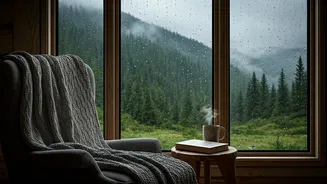
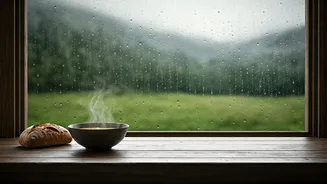
There's a scientific and psychological basis for our renewed love affair with rain. The steady, rhythmic sound of a downpour, known as 'pink noise,' has been shown to reduce brainwave activity, promoting a state of calm and improving sleep quality. It’s the natural world’s version of a white noise machine, creating a sonic blanket that muffles the harsh, jarring sounds of the outside world. This auditory cocoon fosters a feeling of safety and seclusion. The rain provides a legitimate excuse to cancel plans, to stay inside without guilt, to finally read that book or simply watch the world from a protected perch. In our over-scheduled, always-on culture, a rainy day feels less like an inconvenience and more like a permission slip from nature itself to slow down, retreat, and recharge.
From Fine Dining to Found Food
Alongside this embrace of moody weather comes a profound shift in what we want to eat. The era of chasing Michelin stars and navigating complicated, multi-course tasting menus is giving way to a desire for something simpler and more grounded. The 'local food' in this winning combination isn’t about trendy farm-to-table restaurants with a celebrity chef. It’s about food that tastes of a place. It’s the hearty stew in a pub on the misty coast of Oregon, the fresh-baked bread from a village bakery in Vermont, or the simple cheese and charcuterie platter enjoyed with a glass of local wine. This kind of eating is an act of connection, not performance. It’s comforting, unpretentious, and deeply satisfying, providing a tangible link to the landscape you’re immersed in. It’s food that feeds a sense of belonging as much as it fills the stomach.
The Power of a Cosy View
The final piece of the puzzle is the 'cosy view.' This isn’t the sprawling, panoramic vista from a high-rise hotel that screams 'look at what I can afford.' It's more intimate. It’s the view from a cabin window of mist weaving through ancient pines. It’s watching rain streak down the glass of a seaside cottage as fishing boats bob in the harbor. It’s looking out over a rolling, green landscape softened by drizzle. This type of view is powerful because it emphasizes the contrast between the wild, untamed world outside and the warm, safe sanctuary within. This feeling—known to Danes as 'hygge'—is about finding immense pleasure in simple, sheltered comforts. The view isn't just something to be looked at; it's something to be felt, a key ingredient in an experience of profound contentment and peace.