





What Are 'AI Health Insights'?
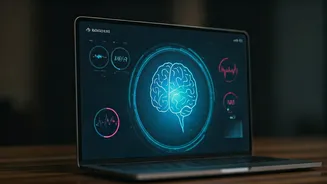
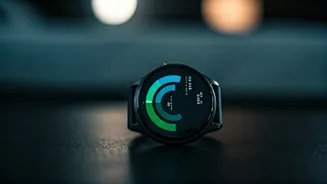
Forget the sci-fi image of a robot doctor. In this context, AI is less about artificial consciousness and more about sophisticated pattern recognition. Think of it as a hyper-observant data analyst that lives in your phone or wearable device. These AI models
sift through streams of personal health data—sleep cycles from your fitness tracker, heart rate variability, activity levels, even the sentiment of your private journal entries in a wellness app. The AI isn't diagnosing you. Instead, its job is to spot subtle deviations from your personal baseline. It learns what your 'normal' looks like and flags when things start to drift, often long before you consciously notice a problem.
The Big Shift: From Reactive to Proactive
For decades, our approach to burnout has been reactive. We wait until we’re exhausted, cynical, and unproductive, then we seek help or are forced to take a break. AI health insights are flipping that script. The goal is to move from cure to prevention—or at least, early intervention. For example, an AI might notice that for the past ten days, your sleep quality has dropped by 15%, your resting heart rate is five beats higher, and your daily step count is down. Individually, these are minor data points you might ignore. But together, they paint a clear picture of rising physiological stress. The app can then send a gentle nudge: “Your recent data suggests your body is under strain. Consider prioritizing rest today.” This isn't a command; it's a data-backed invitation for self-care before you hit a wall.
Spotting the Patterns That Lead to Burnout
Burnout doesn't happen overnight. It’s the result of chronic, unmanaged stress. AI tools are uniquely suited to identify the habits and triggers that contribute to this slow-burn crisis. For a Gen Z user juggling college, a gig economy job, and a demanding social life, the data might reveal a clear correlation between late-night study sessions, increased caffeine intake (tracked via a nutrition app), and poor sleep, which then leads to a measurable dip in mood the next day (tracked via a journaling app). By presenting this feedback loop in a clear, visual way, the technology empowers the user to make a connection they might have missed. It provides objective evidence that can motivate behavioral change, like setting a stricter cutoff time for work or scheduling a non-negotiable hour of downtime each day. It’s about making the invisible toll of stress visible and actionable.
This Isn't a Silver Bullet
While promising, it’s crucial to see this technology for what it is: a tool, not a cure-all. AI can't fix the systemic issues that fuel Gen Z burnout, such as economic precarity, toxic work environments, or the societal pressure to be 'always on.' A wellness app can suggest you meditate, but it can't pay your student loans or negotiate a better work-life balance with your boss. There are also valid concerns about data privacy and the potential for health data to be used in unintended ways. Furthermore, an over-reliance on metrics can lead to its own form of anxiety, where users become obsessed with achieving a 'perfect' sleep score. The most effective approach combines these technological insights with real-world action and, when needed, professional human support.