


An All-Consuming Passion
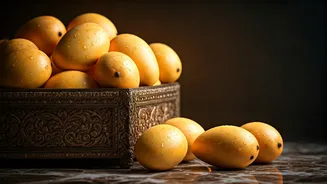
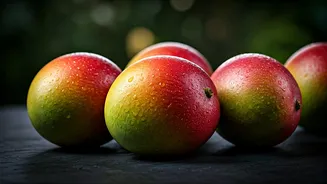
In the sweltering summer heat of Uttar Pradesh, life slows down for one reason: mangoes. From late May through July, the city of Lucknow is gripped by a collective mania. Street corners are piled high with fragrant pyramids of green and gold fruit. Families
plan 'mango parties' where the only item on the menu is baskets of chilled mangoes, eaten by the dozen. It’s a multi-sensory experience where the sweet, intoxicating perfume of ripe fruit hangs in the air, a constant reminder of the season’s bounty. This isn’t just about enjoying a sweet treat; it’s a shared cultural ritual, a celebration of regional identity that has been passed down through generations. For Americans accustomed to the handful of fibrous, sometimes stringy varieties available in supermarkets, this level of devotion to a single fruit might seem baffling. But in Lucknow, the mango is not just a fruit; it's an heirloom.
The Royal Orchards of Malihabad
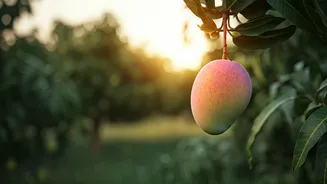
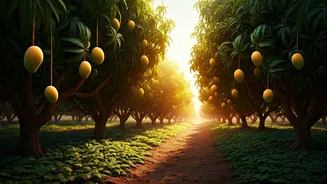
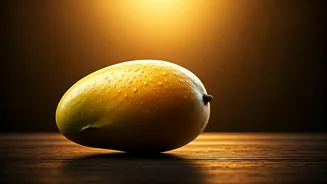
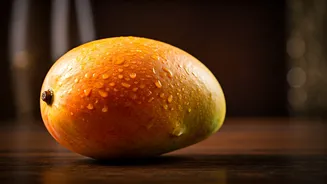
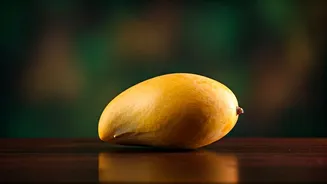
The heart of this obsession lies just outside the city in a lush, 70-mile-long stretch of land known as the Malihabad mango belt. This region, often called the 'Mango Capital of India,' is a designated Geographical Indication (GI) zone, similar to how Champagne can only come from Champagne, France. The undisputed king of Malihabad is the Dasheri mango. Slender, with a green-yellow skin, its flesh is completely fiberless, melting on the tongue with a clean, honeyed sweetness unlike any other. The story of Malihabad is intertwined with the Nawabs, the lavish rulers of the historic kingdom of Awadh. These aristocrats were horticultural connoisseurs who patronized the development of exquisite mango varieties, treating grafting and cultivation as a high art form. They sponsored competitions, hosted decadent mango festivals, and helped cement the fruit's status as a symbol of luxury and refinement. The orchards they established centuries ago are still tended by families who see themselves as custodians of this royal legacy.
More Than Just Dasheri
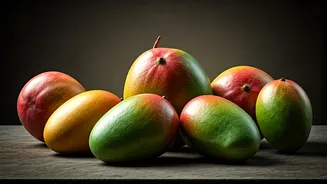
While the Dasheri is the star, the Lucknow mango experience is a parade of distinct personalities. After the Dasheri season peaks, the Chausa arrives—impossibly sweet, intensely fragrant, and so juicy it’s often eaten by piercing the top and sucking out the pulp. Then there's the Langra, a variety with a slight, pleasant tartness and a distinctive turpentine-like aroma that connoisseurs adore. Each has its own loyal following and its own specific moment in the season. Devotees can tell them apart by smell and touch alone. This deep, nuanced knowledge is part of the craze. It’s about more than just sweetness; it's about appreciating the subtle notes, textures, and histories of each variety, the way a wine lover might discuss terroir and tannins. It’s a vocabulary of flavor that is specific to this corner of the world.
From Local Secret to Global Buzz
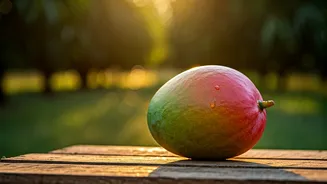
So why is this hyper-local tradition suddenly making international headlines? A perfect storm of factors is at play. Food-focused travel has exploded, with culinary tourists seeking authentic, region-specific experiences. Social media has allowed growers and fans to share vibrant images of their prized harvests with a global audience, creating a digital buzz. Furthermore, international chefs and food writers have begun to champion these unique Indian varieties, highlighting how they differ from the sturdy, less-flavorful Kent and Tommy Atkins mangoes bred for long-distance shipping to U.S. and European markets. This growing recognition is fueling demand for exports and putting a spotlight on the farmers of Malihabad, who are now grappling with the challenges of climate change, which threatens the delicate timing of the mango flowering season. The global attention is both a validation of their heritage and a new source of pressure.