


Why The Shift Away From Sand?
For decades, the beach has been the default setting for relaxation. But as vacation costs soar and popular spots become increasingly congested, many are finding the reality falls short of the postcard. The frantic race for a patch of sand, the buzz of jet
skis, and the ubiquitous crowds can feel less like a restorative getaway and more like a stressful extension of daily life. In response, a quieter, more intentional form of travel is taking root. The goal is no longer just to 'get away,' but to genuinely disconnect and recharge. This has fueled the rise of 'green escapes'—vacations centered on nature, tranquility, and immersive experiences that a bustling beach often can't provide. It’s a move from passive sunbathing to active rejuvenation.
1. The Mountain Cabin Retreat
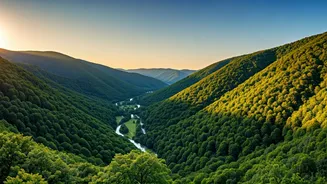
There’s a reason the search term 'cabin core' is trending. Renting a secluded cabin in places like the Smoky Mountains, the Adirondacks, or the forested hills of the Pacific Northwest offers a potent dose of solitude and self-sufficiency. Here, the loudest noise is the crackling of a fireplace or the wind in the pines. Days are structured by hiking, reading, and cooking simple meals, not by a resort’s activity schedule. It’s an antidote to overstimulation, offering a chance to reconnect with a slower rhythm of life. This type of trip appeals to those seeking deep quiet and a digital detox, trading Wi-Fi for wilderness and cocktail hour for stargazing on a private deck.
2. The National Park Adventure
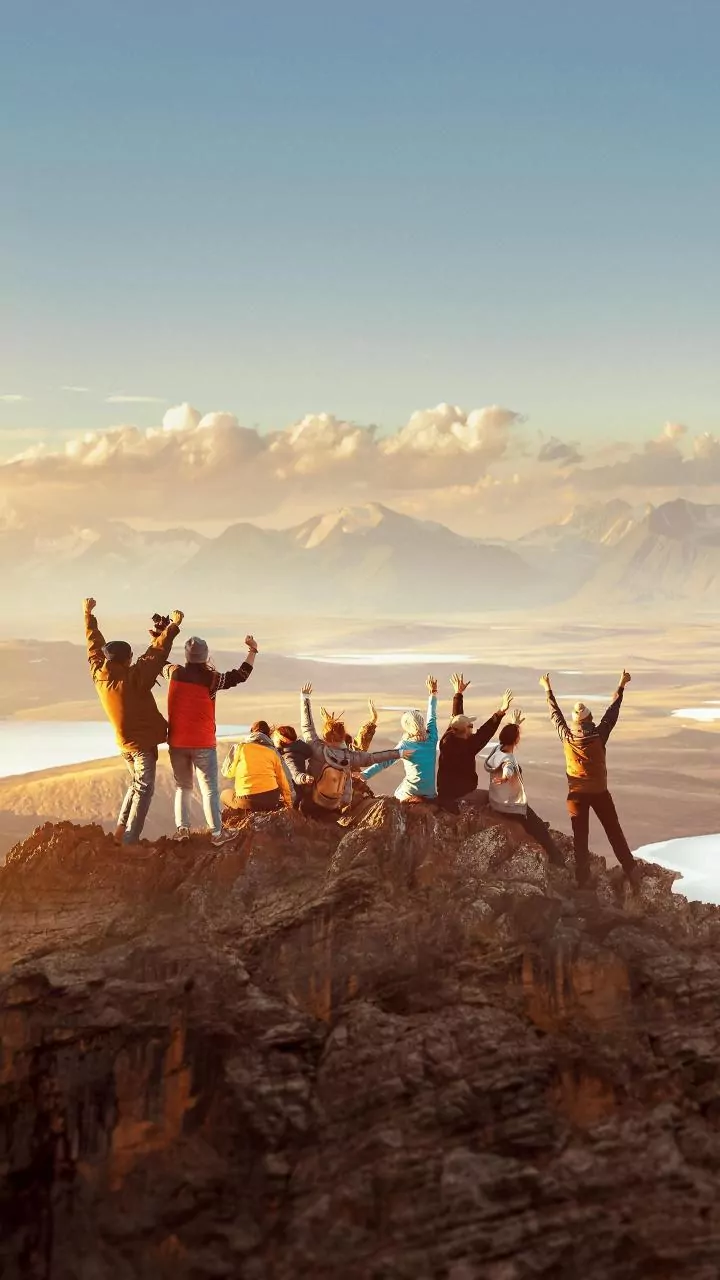
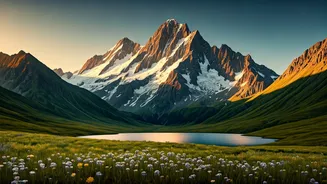
While not always devoid of people, a trip centered on a National Park offers a different kind of awe—one rooted in scale and natural grandeur. Instead of watching waves, you’re watching the sunrise paint the Grand Canyon or listening to the echoes in Zion's narrows. These trips are often more active, built around hiking, wildlife spotting, and exploring diverse ecosystems. They scratch an itch for adventure and discovery that a stationary beach holiday can’t reach. For families, it’s an opportunity for hands-on education; for solo travelers, it’s a profound reminder of nature’s power. Staying in a historic park lodge or a nearby gateway town provides a basecamp for experiences that create lasting memories, not just a tan.
3. The Forest Bathing Getaway
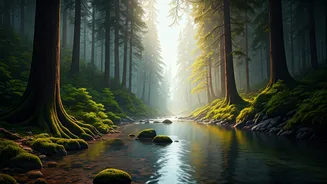
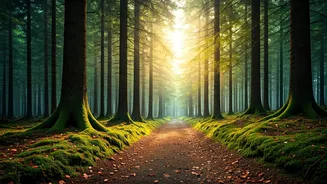
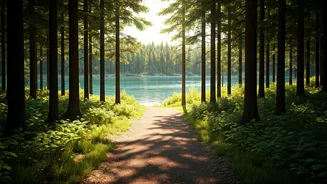
This isn't about taking a bath in the woods. 'Shinrin-yoku,' or forest bathing, is a Japanese practice of sensory immersion in a forest environment. It’s about walking slowly, breathing deeply, and noticing the sights, sounds, and smells around you. A growing number of wellness retreats and lodges, particularly in verdant areas like Vermont or Northern California, are built around this concept. Unlike a high-energy beach party, the appeal here is profound calm and scientifically backed mental health benefits, such as reduced cortisol levels. It's the ideal escape for the burnt-out professional who needs to quiet their mind and de-stress on a cellular level, finding restoration in the simple act of being present among the trees.
4. The Lakeside Lodge Stay
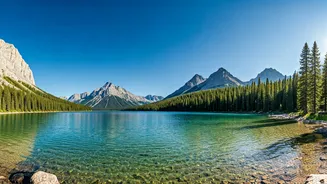
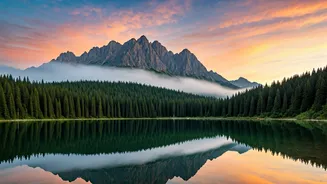
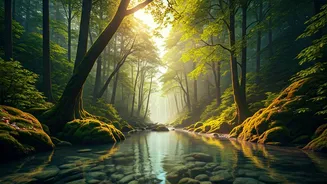
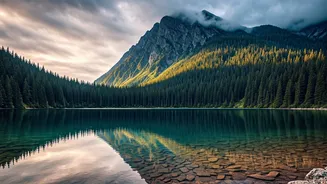
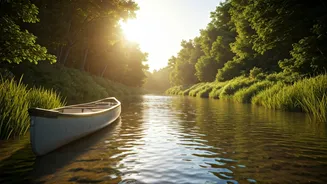
For those who still crave the water, a lakeside escape offers the perfect compromise. Think of it as the beach’s more relaxed, introspective cousin. Destinations like Lake Placid in New York, Lake Tahoe on the California-Nevada border, or the countless 'up north' lakes of Minnesota and Wisconsin provide water-based activities like kayaking, canoeing, and swimming but without the ocean’s intense currents or crowds. The vibe is different—mornings are for misty paddles, afternoons for dock-sitting, and evenings for bonfires. It’s a nostalgic, Americana-infused vacation that blends the refreshment of water with the tranquility of the surrounding woods.