






The Theatrics of Bhaja Caves
Imagine stepping back 2,200 years. The Bhaja Caves, a complex of 22 rock-cut Buddhist monasteries dating to the 2nd century BCE, offer just that. Located near Lonavala, a popular hill station outside Mumbai, these caves are far from a dry, dusty ruin,
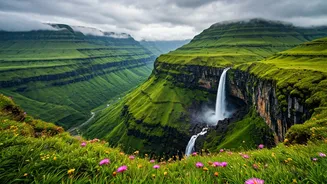
especially during the monsoon. The main attraction isn't just the impressive viharas (monastic cells) or the grand chaitya (prayer hall) with its ancient wooden beams still intact. During the rains, a powerful waterfall cascades right over the front of one of the main caves, creating a curtain of water that you can stand behind. It's a dramatic, sensory experience that connects you to the site in a way no history book can. The relatively easy trek to the caves becomes a walk through a lush, misty paradise, making the final reveal of the water-drenched stone monuments all the more spectacular.
The Grandeur of Karla Caves
Just a short drive from Bhaja lies a site that trades rustic charm for awesome scale. The Karla Caves are home to the largest and most magnificent chaitya in India, a cavernous prayer hall that feels more like a natural cathedral. Carved around 120 CE, the hall is lined with 37 massive octagonal pillars, many topped with intricate carvings of elephants and riders. The sheer engineering prowess required to hew such a perfectly proportioned space from solid rock is staggering. In the monsoon, the cool, damp air inside the cave is thick with the scent of wet stone and millennia of history. The entrance, a grand archway, frames the outside world, where grey skies and vibrant green hills create a stunning, high-contrast backdrop. While more popular than Bhaja, the echoing silence inside the main hall offers a profound sense of peace, a quiet anchor against the storm raging outside.
The Solitude of Bedse Caves
For those willing to venture a little further off the beaten path, the Bedse Caves offer the truest sense of discovery. Less frequented than their famous neighbors, reaching Bedse requires a slightly more rigorous trek up a series of stone steps that wind through verdant fields and past small hamlets. This journey is part of the reward. The caves themselves, dating back to the 1st century BCE, are smaller than Karla but exquisitely proportioned. The main chaitya and vihara are supported by pillars adorned with beautiful carvings of animals and dancers. Because of the smaller crowds, you can truly appreciate the quietude and the spiritual atmosphere the original monks sought. The view from the cave entrance is arguably the best of the three: a panoramic vista of the Pawna valley, its fields shimmering with rainwater, under a vast, dramatic sky. It’s the perfect spot for quiet contemplation, feeling like you’ve stumbled upon a secret held by the mountains.
The Legend of Pandavleni Caves
Located on a hill on the outskirts of Nashik, the Pandavleni Caves are a sprawling complex of 24 Buddhist caves carved between the 1st century BCE and the 3rd century CE. While the name connects them to the Pandava brothers of the Hindu epic Mahabharata (a later attribution), their origin is firmly Buddhist. The climb up is invigorating, with the monsoon winds providing a welcome coolness. The caves are a fascinating mix of simple monastic cells and more ornate halls with detailed carvings of Buddhist deities and symbols. What makes them a compelling monsoon stop is the commanding view they offer over the city of Nashik and the surrounding plains, now washed clean and intensely green. Looking out from a 2,000-year-old stone balcony, you can watch the rain sweep across the landscape, connecting the ancient past with the living, breathing present.