

The Original All-in-One Meal
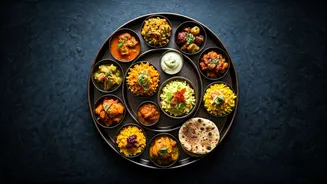
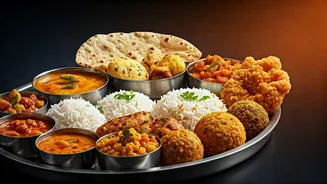
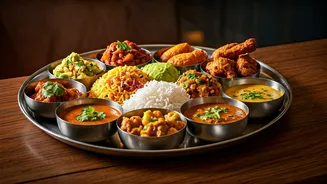
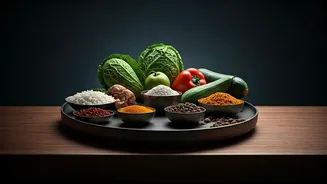
Before we get to the fusion, let's talk about the original. A thali (Hindi for “plate”) is the traditional Indian way of serving a complete, balanced meal. It’s not just a dish; it’s a philosophy on a platter. Served on a large, often round tray, it features
an array of small bowls called katoris, each holding a different component. You’ll typically find a main carb (rice or flatbread), dal (lentils), a vegetable curry, a non-veg item, yogurt (raita), a pickle, and a dessert. The genius of the thali is its built-in harmony. Traditional Ayurvedic principles aim to include six tastes—sweet, salty, sour, pungent, bitter, and astringent—creating a meal that’s both nutritionally complete and deeply satisfying to the palate. It’s a beautifully orchestrated symphony of flavors and textures, a culinary map of a specific region’s bounty.
Enter the Rule-Breakers
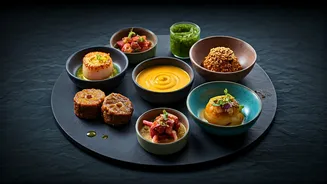
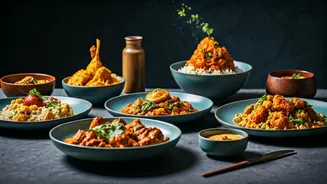
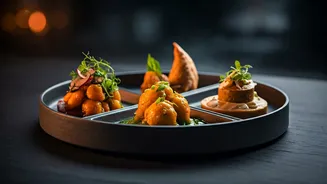
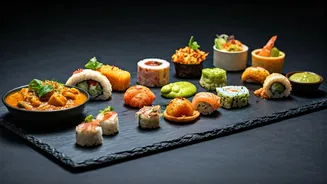
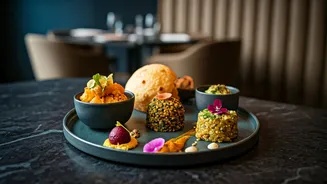
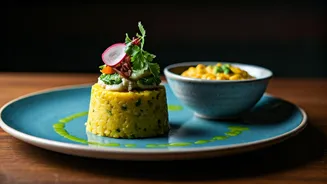
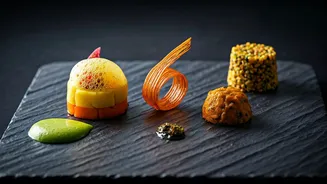
Now, imagine that symphony getting a remix from a globetrotting DJ. That’s the fusion thali. Chefs across the U.S., particularly those from the Indian diaspora, are using the thali format as a canvas for innovation. They're honoring the structure but gleefully breaking the rules on ingredients. A katori might hold a scoop of paneer tikka masala lasagna instead of a traditional sabzi. The lentil dal could be infused with smoky chipotle peppers. That cooling raita might be replaced with a dollop of Greek tzatziki. This is the “loud” part of the experience: the flavors are bold, unexpected, and unapologetic. They don't gently nod to other cuisines; they grab them for a lively dance. Restaurants are crafting thalis that tell new stories—about a chef’s journey, a city’s multicultural fabric, or simply the joyful chaos of combining things that shouldn’t work together but miraculously do.
A Party on a Platter
A traditional thali is an abundant, generous affair. A fusion thali turns that abundance into a full-blown party. The sheer variety and novelty make it an inherently social and “fun” experience. There’s the initial moment of awe when the massive platter arrives, a kaleidoscope of colors and aromas. Then comes the conversation: “What’s in this one?” “You have to try this!” “Is that… a tiny samosa shepherd's pie?” It transforms dinner from a passive act of consumption into an active, shared discovery. This format is practically designed for the Instagram era, with its vibrant, photogenic spread. But more importantly, it encourages diners to play with their food, to mix and match bites, creating their own perfect combinations from the organized chaos on the plate. And yes, it is incredibly “filling.” The goal of a thali is satisfaction, and these fusion versions deliver it with an extra dose of excitement.
More Than a Delicious Trend
While it's easy to dismiss this as another fleeting food trend, the fusion thali represents something bigger. For decades, Indian food in America was often simplified for a Western palate, confined to a familiar roster of dishes like butter chicken and saag paneer. The rise of the fusion thali is a sign of confidence. It’s driven by a new generation of chefs who are comfortable with their complex identities—proud of their Indian heritage but also shaped by their American experiences. They aren’t asking for permission to innovate; they’re claiming their space in the landscape of American fine dining. This isn't “inauthentic” Indian food. It’s a new, authentic expression of Indian-American culture, a delicious dialogue between tradition and modernity, served one glorious platter at a time.