



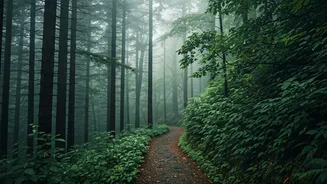


An Emerald World Awakens
Stretching for nearly a thousand miles along India’s western coast, the Western Ghats are a mountain range older than the Himalayas. A UNESCO World Heritage Site and one of the world's most critical biodiversity hotspots, this area is spectacular year-round.
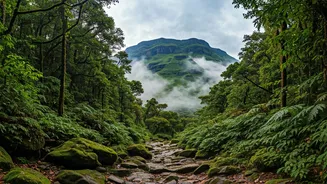
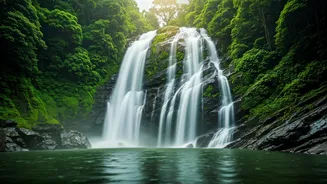
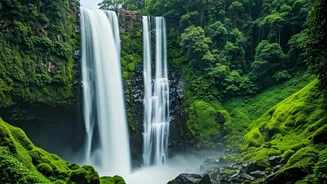
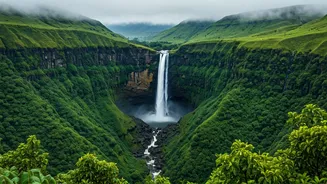
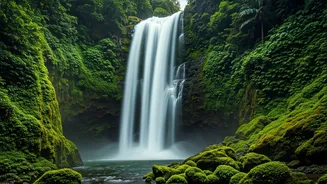
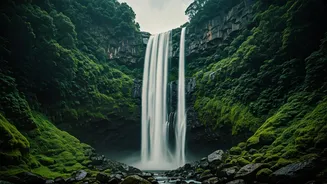
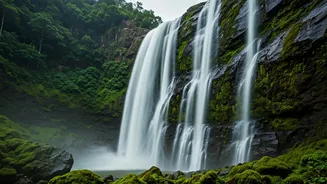
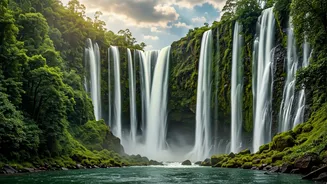
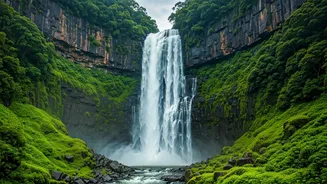
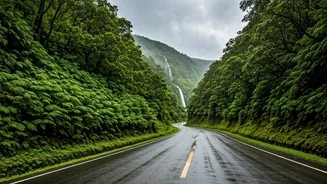
But during the monsoon, from roughly June to September, it undergoes a radical transformation. The parched, sun-baked earth drinks in the relentless rain, and the landscape explodes in a riot of impossible greens. Dormant waterfalls cascade over cliffs with thunderous power, mist clings to the valleys, and the air becomes thick with the scent of wet soil and blooming flowers. This isn't just rain; it's a seasonal rebirth that must be seen—and felt—to be believed.
Why Chase the Rain?
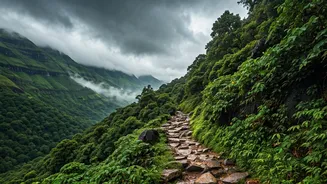
The idea of trekking in a downpour might sound miserable to the uninitiated. But for those in the know, the monsoon season is the *only* time to truly experience the Ghats. The primary draw is the sheer, unadulterated beauty. Trails that are dusty and brown for most of the year become vibrant green carpets. The heat and humidity of the Indian summer give way to cool, misty weather. And the crowds that throng popular destinations in the dry season often thin out, leaving vast stretches of wilderness to those willing to get a little wet. Chasing the monsoon is about trading comfort for awe. It’s the difference between seeing a photograph of a waterfall and standing in its spray, feeling the raw power of nature.
Beyond the Beaten Path
While destinations like Lonavala and Mahabaleshwar are well-known, the real allure for serious enthusiasts lies in the “offbeat” trails. These are the paths less traveled, leading to ancient forts shrouded in fog, hidden valleys with their own microclimates, and remote plateaus carpeted in wildflowers that bloom only during the rains. Treks to places like the Rajmachi Fort offer a journey through history, where stone steps carved centuries ago become temporary waterfalls. Other trails, like those in the Sahyadri range of Maharashtra or the dense forests of Karnataka, promise encounters with unique wildlife, from giant squirrels to exotic birds. These treks are not just physical activities; they are pilgrimages into a living, breathing ecosystem at the peak of its vitality.
The Beauty and the Challenge
This kind of adventure isn’t without its challenges, which is part of the appeal. Monsoon trekking demands respect for the environment. Trails become slippery streams of mud and rock, and proper, waterproof gear is non-negotiable. The forest floor comes alive with leeches, a harmless but unsettling reality of the season. Flash floods can make river crossings treacherous, underscoring the importance of trekking with experienced local guides who understand the terrain and weather patterns. But for enthusiasts, overcoming these obstacles is part of the reward. It’s a primal experience that connects them directly to the wild, stripping away the conveniences of modern life and replacing them with the simple, profound satisfaction of navigating a world that is both beautiful and untamed.