

The Irresistible Allure of Chaat
At the heart of India's no-cook tradition is chaat, a category of savory snacks that explodes with a symphony of flavors and textures. While some chaats involve frying, many of the most beloved are simply a matter of artful assembly. Take Bhel Puri, a cornerstone
of Mumbai street food. It’s a brilliant mix of puffed rice, crunchy sev (thin chickpea flour noodles), finely chopped onions, potatoes, and a trio of chutneys—sweet tamarind, spicy green cilantro-mint, and pungent garlic. The final flourish is a generous sprinkle of chaat masala, a tangy spice blend. The result is a dish that’s simultaneously crunchy, soft, sweet, sour, and spicy. It requires zero cooking and delivers a deeply satisfying meal that’s light yet complex.
The Cooling Power of Yogurt
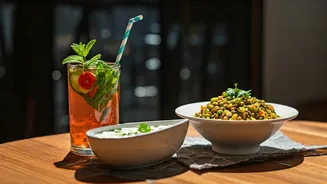
Yogurt, or dahi, is a fundamental cooling agent in Indian cuisine, transforming simple ingredients into refreshing masterpieces. Raita is the most famous example—a yogurt-based dip or side dish that can be customized endlessly. A simple cucumber raita, made with grated cucumber, yogurt, roasted cumin powder, and fresh mint, is the perfect antidote to a sweltering day. Another popular choice is boondi raita, featuring tiny, savory fried chickpea balls that soften in the yogurt. For something more substantial, there’s Dahi Vada. While the lentil fritters (vadas) are fried ahead of time and soaked, the final dish is served chilled, smothered in cool, lightly sweetened yogurt and tamarind chutney. It’s a make-ahead marvel perfect for a hot-weather lunch.
Kachumber: The Ultimate Refreshing Salad
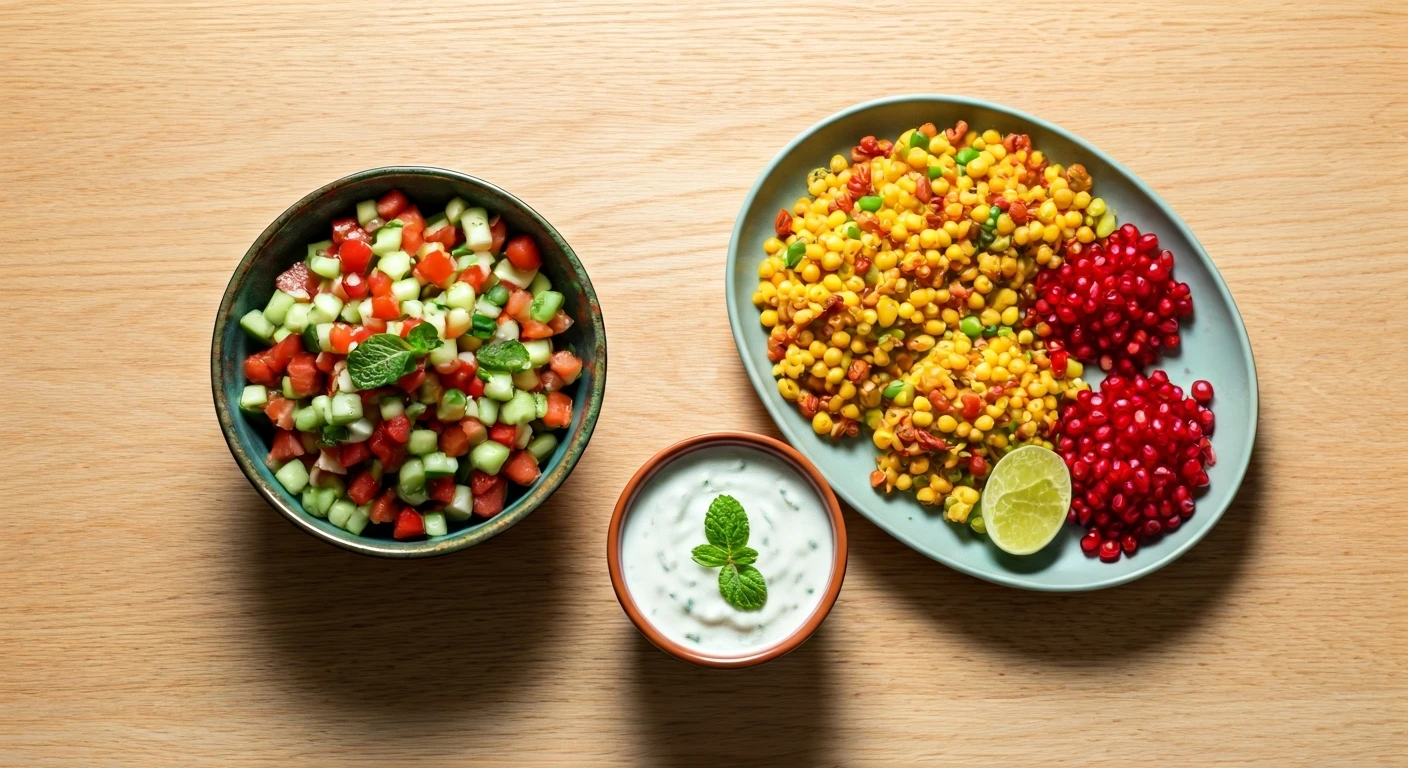
Think of kachumber as India’s answer to pico de gallo or a classic chopped Israeli salad, but with its own distinct personality. The beauty of kachumber lies in its simplicity and versatility. The base is a finely diced mixture of crisp, hydrating vegetables: cucumber, tomatoes, and onions are the holy trinity. From there, you can add bell peppers, grated carrots, or even radish. The dressing is even simpler: a squeeze of fresh lime or lemon juice, a pinch of salt, and perhaps a sprinkle of black pepper or finely chopped green chili for a little kick. It serves as a crunchy, refreshing side that cuts through the richness of other dishes, but on a hot day, a large bowl of kachumber is a perfectly respectable and incredibly hydrating no-cook meal on its own.
Fruit Chaat: A Sweet and Savory Surprise
In the U.S., fruit salad is often a simple, sweet affair. In India, it’s an opportunity for a flavor explosion. Fruit chaat takes everyday fruits—apples, bananas, pears, grapes, pomegranate seeds—and elevates them with a sprinkle of signature spices. The key ingredient is, once again, chaat masala, which adds a complex, funky, and tangy note that makes the fruit taste even sweeter. A pinch of black salt (kala namak), with its slightly sulfuric aroma, adds another layer of savory depth. Sometimes a little chili powder or black pepper is included for warmth. It sounds unusual, but the combination of sweet, sour, salty, and spicy is incredibly refreshing and addictive. It’s the perfect afternoon snack when you need energy but can’t bear anything heavy.
The Modern No-Cook Sandwich, Indian-Style
The spirit of no-cook Indian flavors can be easily adapted to modern, convenient formats like sandwiches and wraps. Instead of a standard tuna or egg salad, consider a chickpea “chaat” salad. Mash canned chickpeas and mix them with yogurt, tamarind chutney, chopped red onion, and cilantro for a creamy, tangy, and protein-packed filling. Another option is a paneer salad: crumble firm paneer and mix it with yogurt or cream cheese, grated carrots, fresh herbs, and a touch of garam masala. Serve these fillings in fluffy white bread with the crusts cut off for a classic Bombay-style sandwich, or use them in lettuce wraps for a lighter, gluten-free option. It’s a brilliant way to enjoy the flavors you love without ever going near a hot stove.