





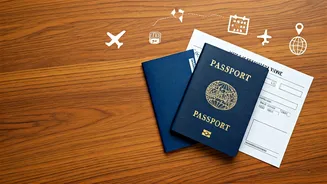
The Death of the Hyper-Itinerary
For years, the gold standard of a 'good' vacation was a meticulously planned itinerary. Every hotel, tour, and dinner reservation was booked months in advance, designed for maximum efficiency and Instagrammability. But a collective travel fatigue has
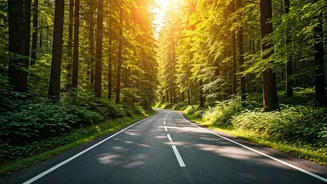
set in—not a fatigue of travel itself, but of the pressure to perfect it. Today, a growing number of travelers are pushing back. They're booking one-way flights, reserving only the first night's hotel, and leaving entire weeks open to chance. This isn't just about grabbing a last-minute deal; it's a philosophical shift. Instead of forcing a destination to fit a pre-written script, travelers are letting the destination write the story for them. The new goal isn't to see everything on a checklist, but to genuinely experience a place, detours and all.
Why Now? A Rebound from Uncertainty
The trend toward spontaneity is a direct reaction to the whiplash of the last few years. The pandemic taught us a hard lesson: even the best-laid plans are fragile. Canceled flights, sudden border closures, and shifting rules left travelers with useless binders of confirmations and a deep-seated distrust of long-term planning. The initial burst of post-lockdown travel, often dubbed 'revenge travel,' was about reclaiming those lost trips with a vengeance. But what we're seeing now is the next phase. It’s less about revenge and more about release. After years of being told what we couldn't do, there's a powerful psychological pull toward freedom and autonomy. Choosing spontaneity is a way of taking back control by intentionally letting go. With most international borders now open and entry rules stabilized, there's finally a reliable foundation upon which to build an impromptu adventure.
Technology Makes Winging It Easy
Being spontaneous in 1995 meant showing up in a town with a dog-eared guidebook and hoping the one hostel listed had a free bunk. Being spontaneous today is a different ballgame, thanks almost entirely to the smartphone in your pocket. Apps like HotelTonight or Hopper allow you to find quality last-minute lodging at a discount. Google Maps ensures you're never truly lost, while Google Translate can break down a language barrier in seconds. Need a ride? Uber and its regional equivalents are a tap away. Hungry? A world of local food blogs and reviews is at your fingertips. This technological safety net has fundamentally lowered the stakes of spontaneity. The fear of the unknown is replaced by the thrill of the unexpected, because you know a solution is almost always available. This allows for a perfect blend of adventure and security, making it easier than ever to say 'yes' to a sudden detour or a longer stay in a town you've fallen in love with.
How to Master the Art of the Un-Plan
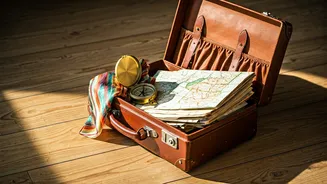
Embracing a spontaneous itinerary doesn't mean having no plan at all. It's about building a flexible framework rather than a rigid cage. A great approach is to use 'anchors.' Book your flight and your first one or two nights of accommodation to eliminate arrival-day stress. You might also book one major, can't-miss activity—like tickets to the Louvre or a specific guided hike—and let the rest of your time flow around it. Another strategy is to plan by region, not by city. Fly into Rome, but give yourself ten days to explore Central Italy by train, deciding your next stop the day before you leave. The key is to leave room for magic: the recommendation from a local bartender, the festival you stumble upon by accident, or the coastal town so charming you decide to stay for three days instead of one. Pack light, stay curious, and be open to changing your mind. That's where the best travel stories are found.