


First, What Are Hill Stations?
Imagine the sweltering heat of the South Indian plains in the 19th century. For British colonial administrators, it was unbearable. Their solution was to build miniature Englands in the mountains. These “hill stations” became their summer capitals—cool,
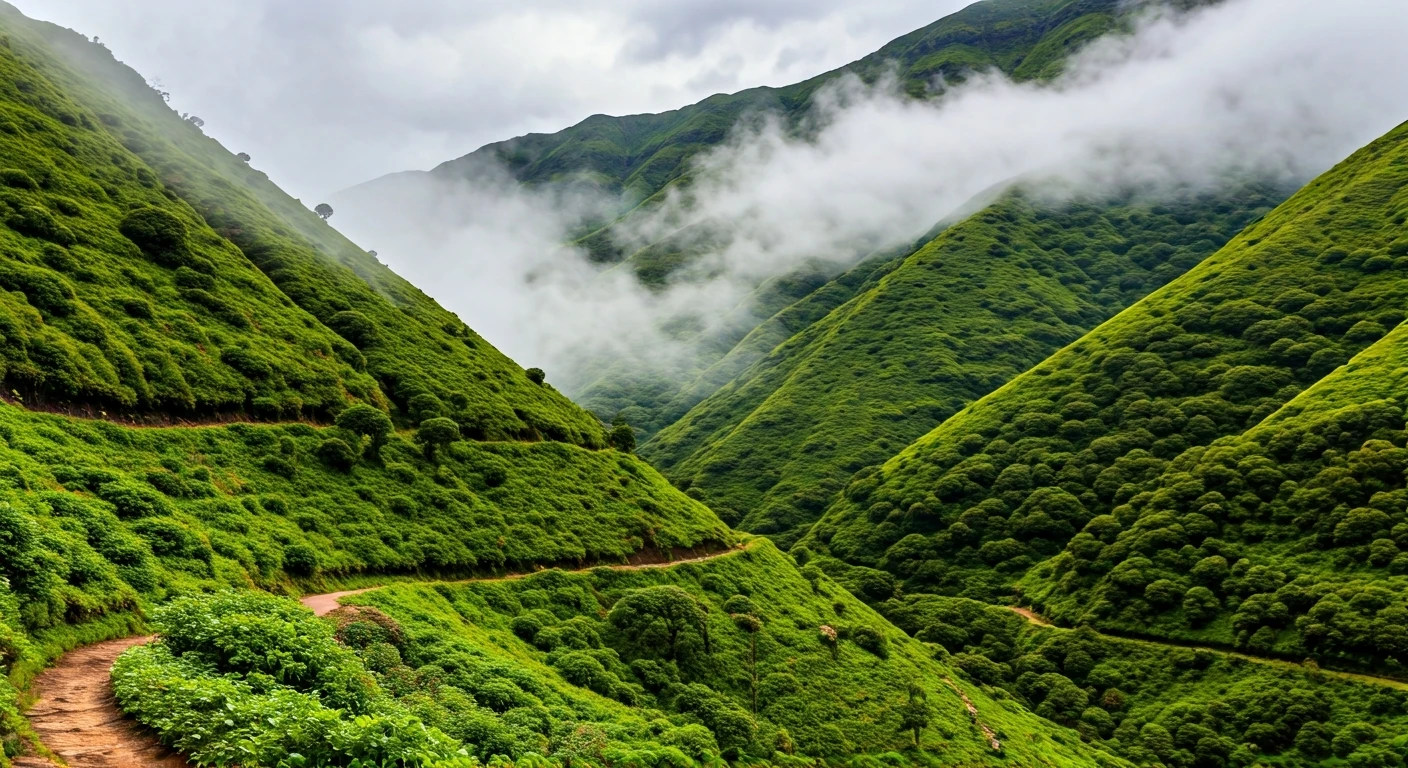
misty havens with charming bungalows, botanical gardens, and a slower pace of life. Dotted across the Western Ghats mountain range, towns like Ooty (Udhagamandalam) and Kodaikanal were established as alpine escapes, complete with Tudor-style cottages, serene lakes, and rolling green hills. This historical charm remains a core part of their identity, offering a distinct cultural texture you won’t find anywhere else in India.
The Search for 'Slow Travel'
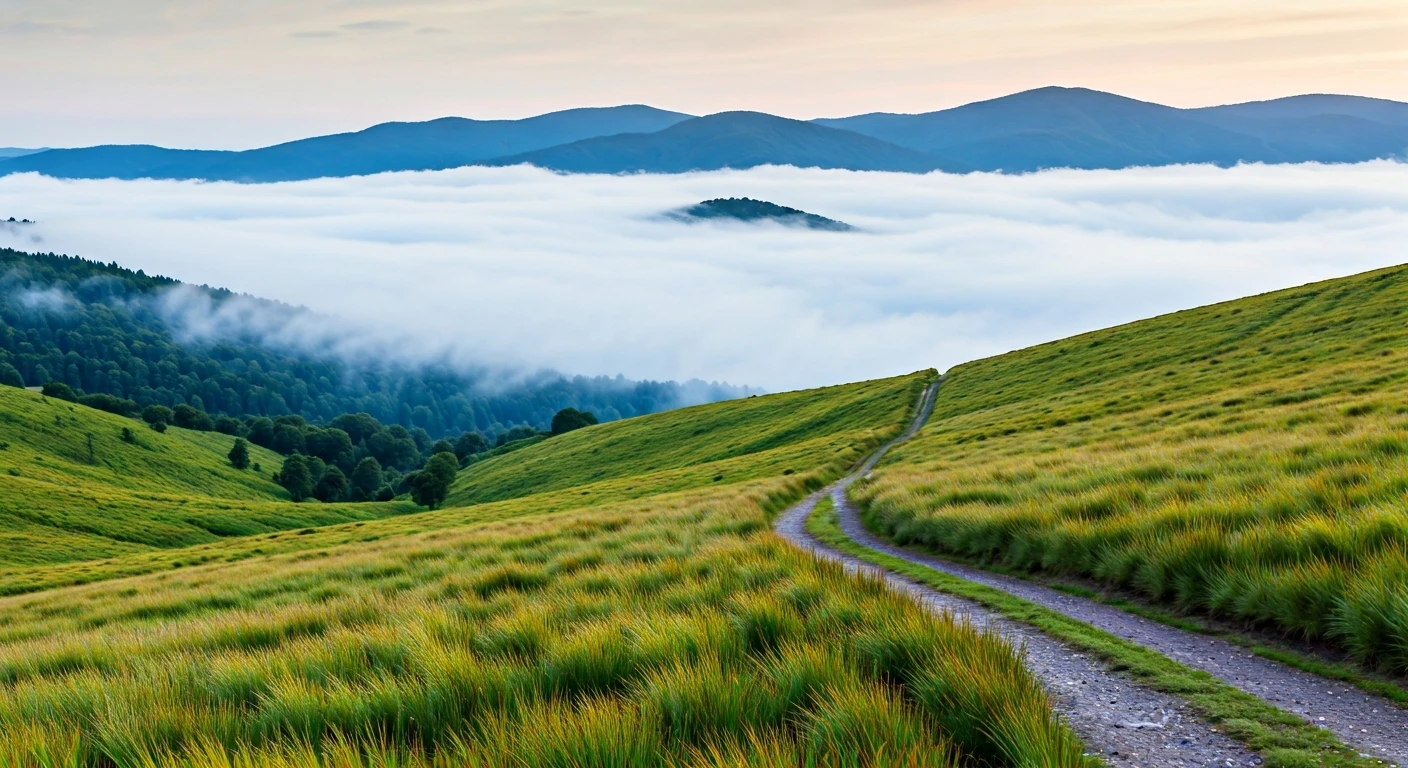
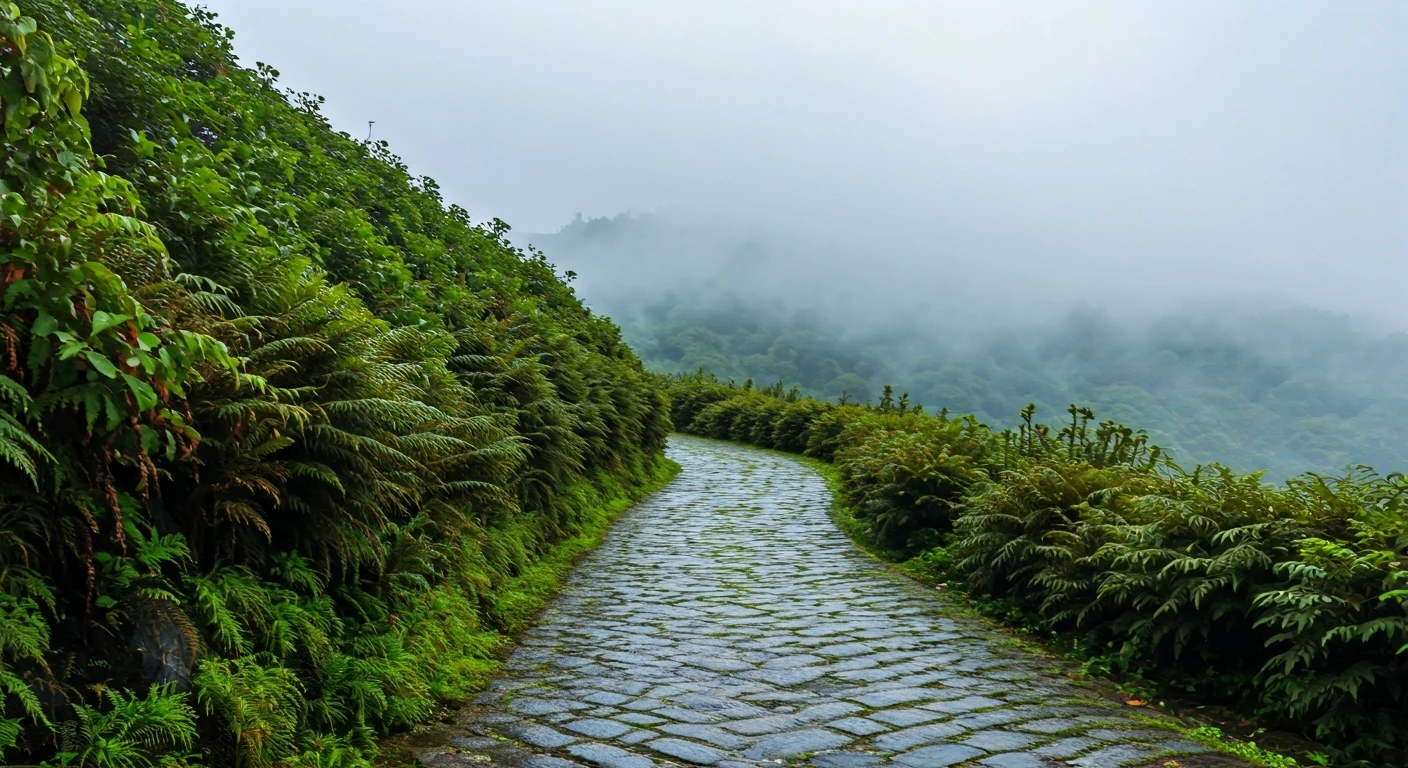
A key driver of the fresh demand is a global shift in travel priorities. After years of checklist-driven tourism, many travelers are now seeking more immersive, restorative experiences. The hill stations of Tamil Nadu are perfectly positioned for this trend. Instead of a frantic itinerary, a trip here is about embracing a slower rhythm. It’s about waking up to birdsong, sipping locally grown tea while watching the mist clear, taking long walks through eucalyptus forests, and browsing local markets for homemade chocolates and aromatic oils. This focus on “slow travel” and wellness is drawing a new generation that wants to disconnect from the daily grind and reconnect with nature.
Ooty and Coonoor: The Tea Capitals
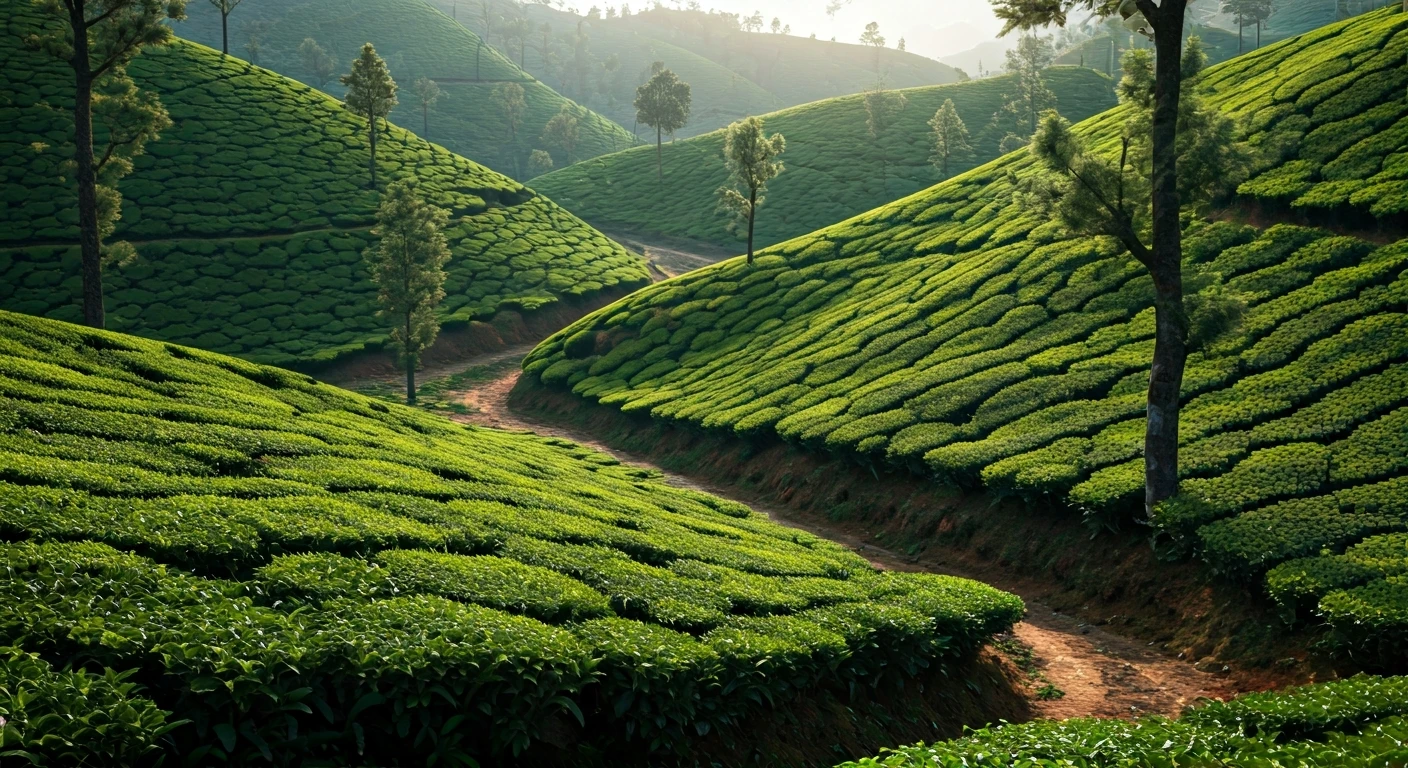
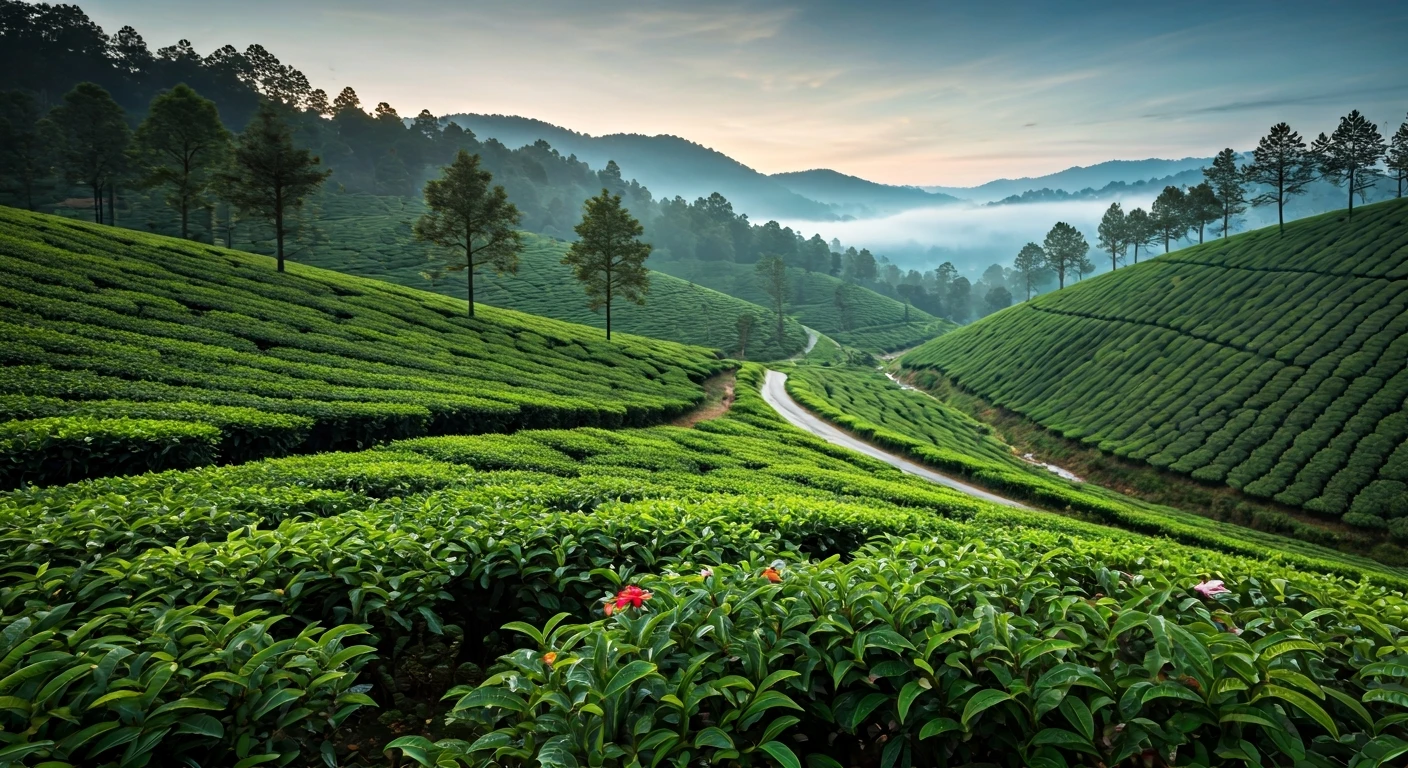
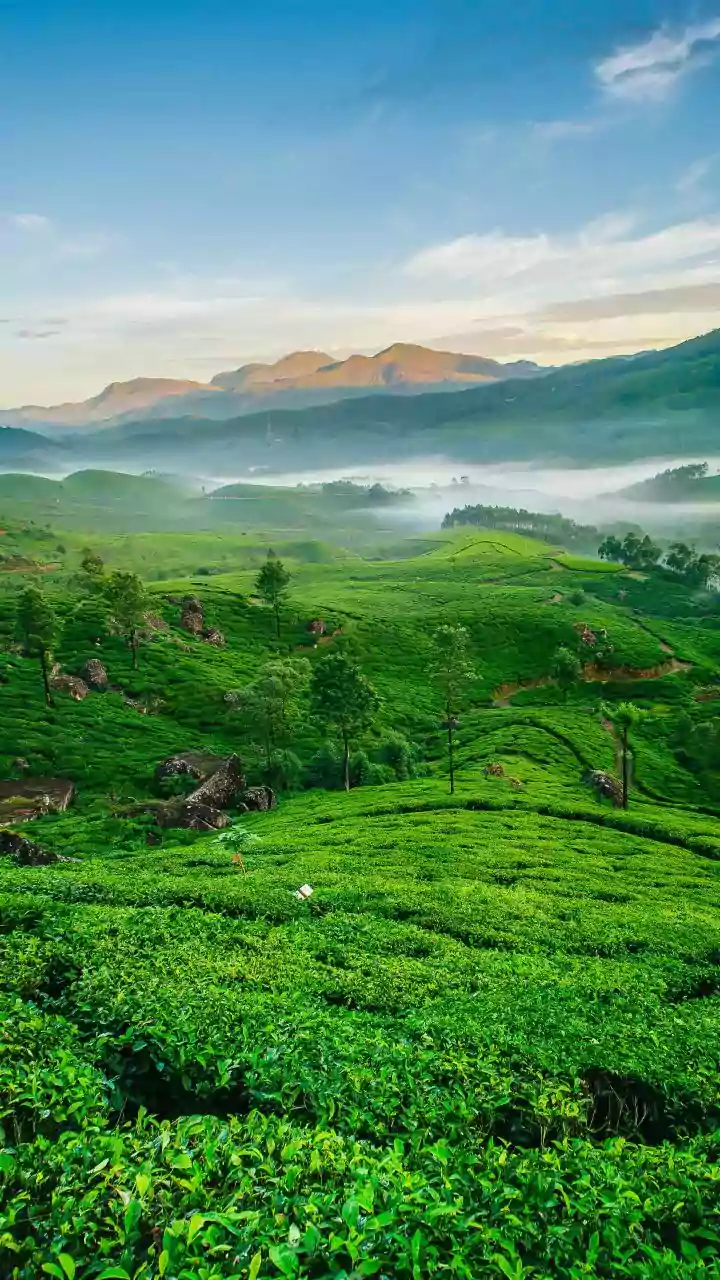
When you picture these hills, picture tea. The Nilgiris, or “Blue Mountains,” are blanketed in some of the most stunning tea plantations on earth. Ooty, the unofficial “Queen of Hill Stations,” is the epicenter of this world. Visitors can tour sprawling tea estates, learn about the journey from leaf to cup, and sample fragrant brews with panoramic views. Nearby Coonoor offers a quieter, less commercialized version of the same experience. A must-do is a ride on the Nilgiri Mountain Railway, a UNESCO World Heritage Site. This charming toy train chugs its way up the steep slopes, through dark tunnels and over dramatic bridges, offering breathtaking vistas of the valleys and plantations below. It's not just transport; it’s a trip back in time.
Kodaikanal: The 'Princess of Hill Stations'
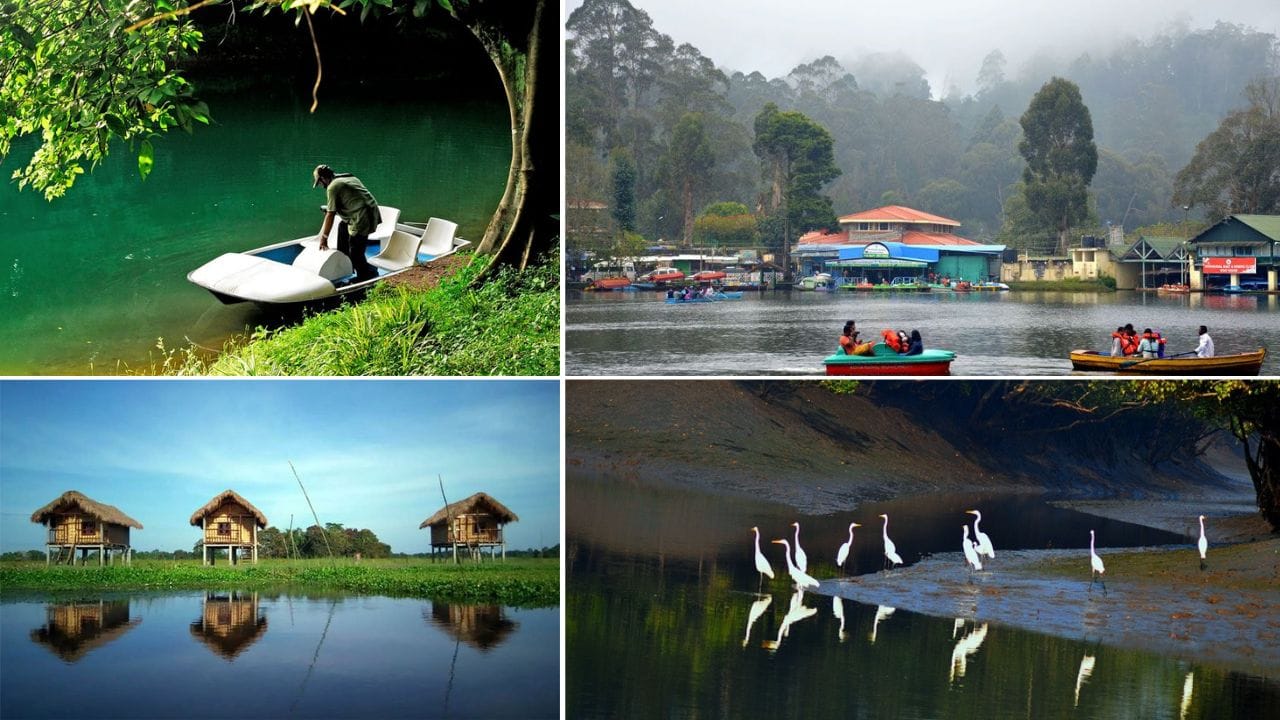
While Ooty is the queen, Kodaikanal is her more mystical sister, the “Princess of Hill Stations.” Centered around a man-made, star-shaped lake, Kodaikanal feels more forested and wild. Its appeal lies in its dense shola forests, dramatic viewpoints like Dolphin’s Nose, and cascading waterfalls. It's also famous for the Kurinji flower, a rare plant that blooms only once every 12 years, carpeting the hillsides in a spectacular sea of purple-blue. This sense of natural wonder, combined with opportunities for boating, cycling, and trekking, makes it a favorite for nature lovers and honeymooners.
Beyond the Classics: The Rise of 'Workations'
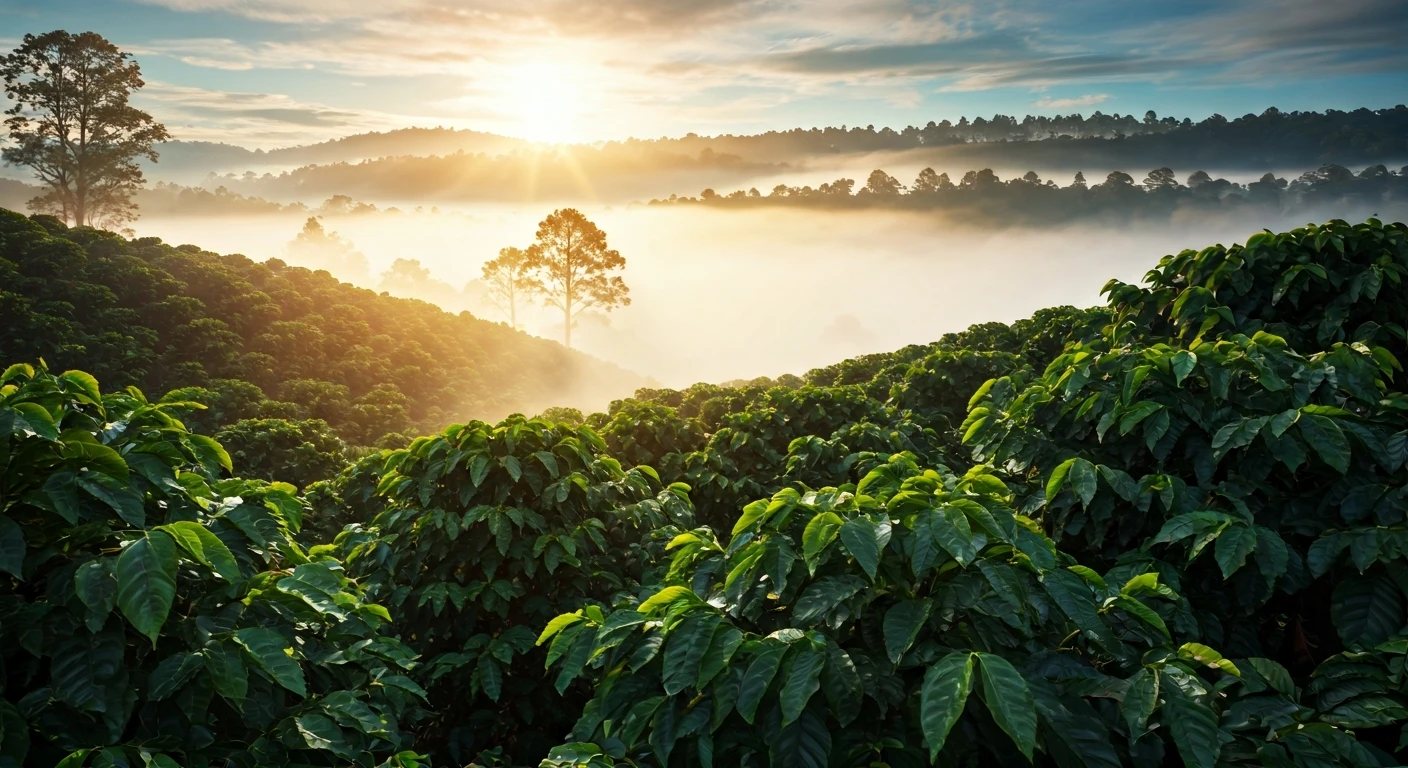
The pandemic-fueled rise of remote work has created a new kind of tourist: the “workationer.” Professionals are swapping city apartments for mountain homestays, blending their workdays with evening hikes and weekend explorations. This has fueled longer stays and brought fresh economic life into the hills. It has also pushed travelers to look beyond the big names. Smaller, less-trodden hill stations like Yercaud, known for its coffee plantations and orange groves, and the remote, biodiversity-rich Valparai are gaining traction. This growing interest is encouraging the development of boutique stays and eco-lodges, offering travelers a more authentic and sustainable way to experience the magic of the mountains.