
The Menu We All Memorized
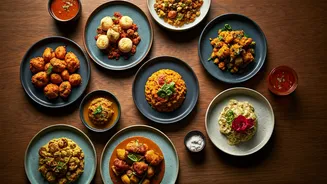
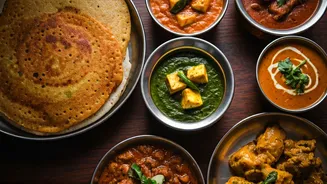
Think of the last time you went out for Indian food. The menu probably felt familiar, a greatest-hits collection that rarely strayed from a core set of creamy, tomato-based curries and tandoori-charred meats. This wasn't by accident. For decades, the success
of Indian cuisine in the U.S. depended on creating a consistent, approachable experience, largely based on North Indian and Punjabi dishes, with a heavy dose of British influence (chicken tikka masala, after all, is a famously British-Indian invention). This culinary canon served an important purpose. It introduced millions of Americans to a world of spice and flavor, creating a shared language around dishes like samosas and palak paneer. This menu became our collective nostalgia—the go-to comfort food for a cozy night in, the reliable choice for a group dinner. But in its effort to be universally pleasing, it also flattened the staggering diversity of a subcontinent with dozens of distinct regional cuisines. The food of Kerala, with its coconut and seafood, was worlds away from the lentil dishes of Rajasthan, yet both were often absent from the standard American menu.
The Generational Shift
So what changed? A new generation of chefs and restaurateurs, many of them second-generation Indian Americans, began asking a simple question: What if our restaurant menus looked more like the food we ate at home? They grew up with the rich, specific, and unapologetically bold flavors of their parents' and grandparents' cooking—dishes that weren’t designed for a Western palate but for their own family tables. This shift isn’t about rejecting the past. It’s about expanding the narrative. Chefs like Chintan Pandya of New York’s Dhamaka and Semma have championed the idea of “unapologetic” Indian food. This means serving dishes with their intended heat levels, using ingredients like goat and offal that were often sidelined, and refusing to explain every single item as “a type of curry.” It's an act of cultural confidence, a declaration that Indian food doesn't need to be softened or simplified to be appreciated. It’s a move from assimilation to celebration.
How Nostalgia Gets Remixed
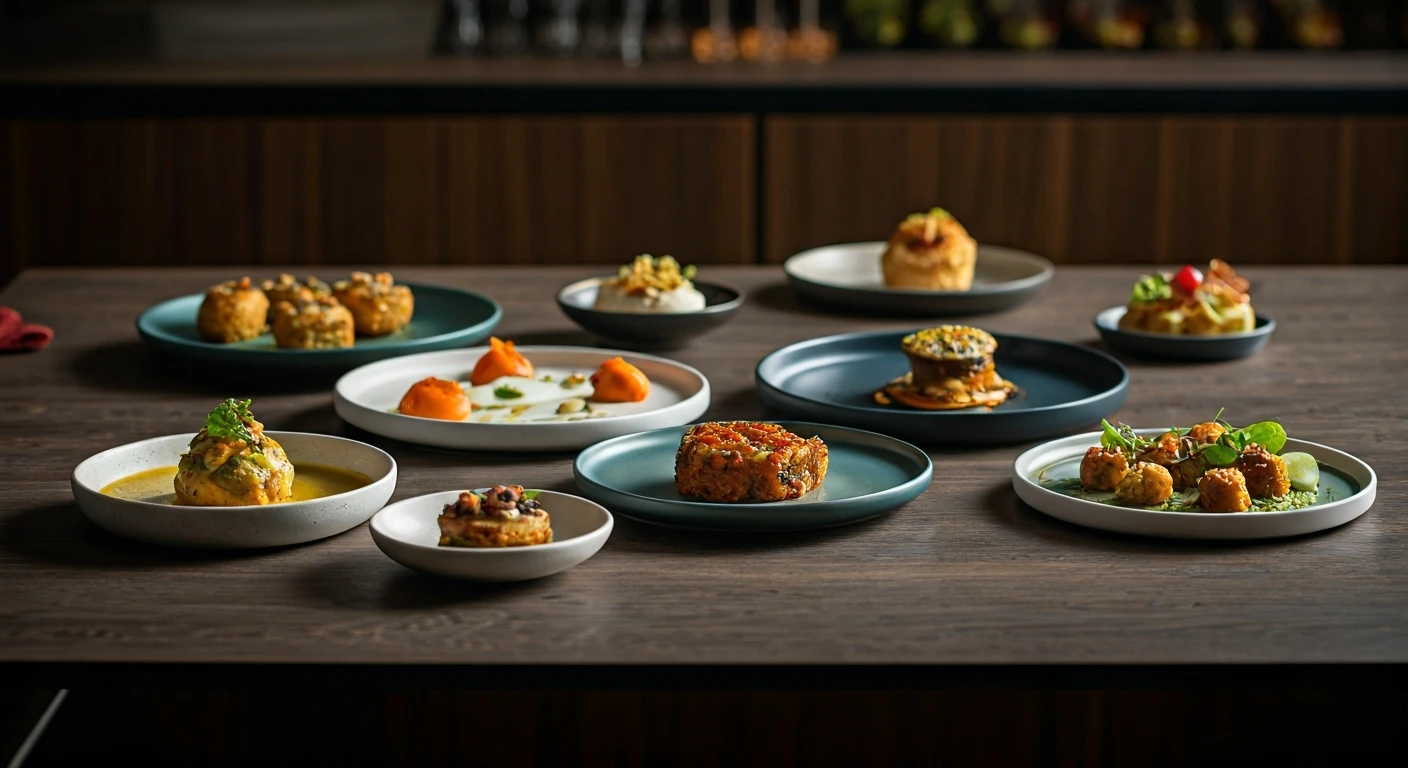
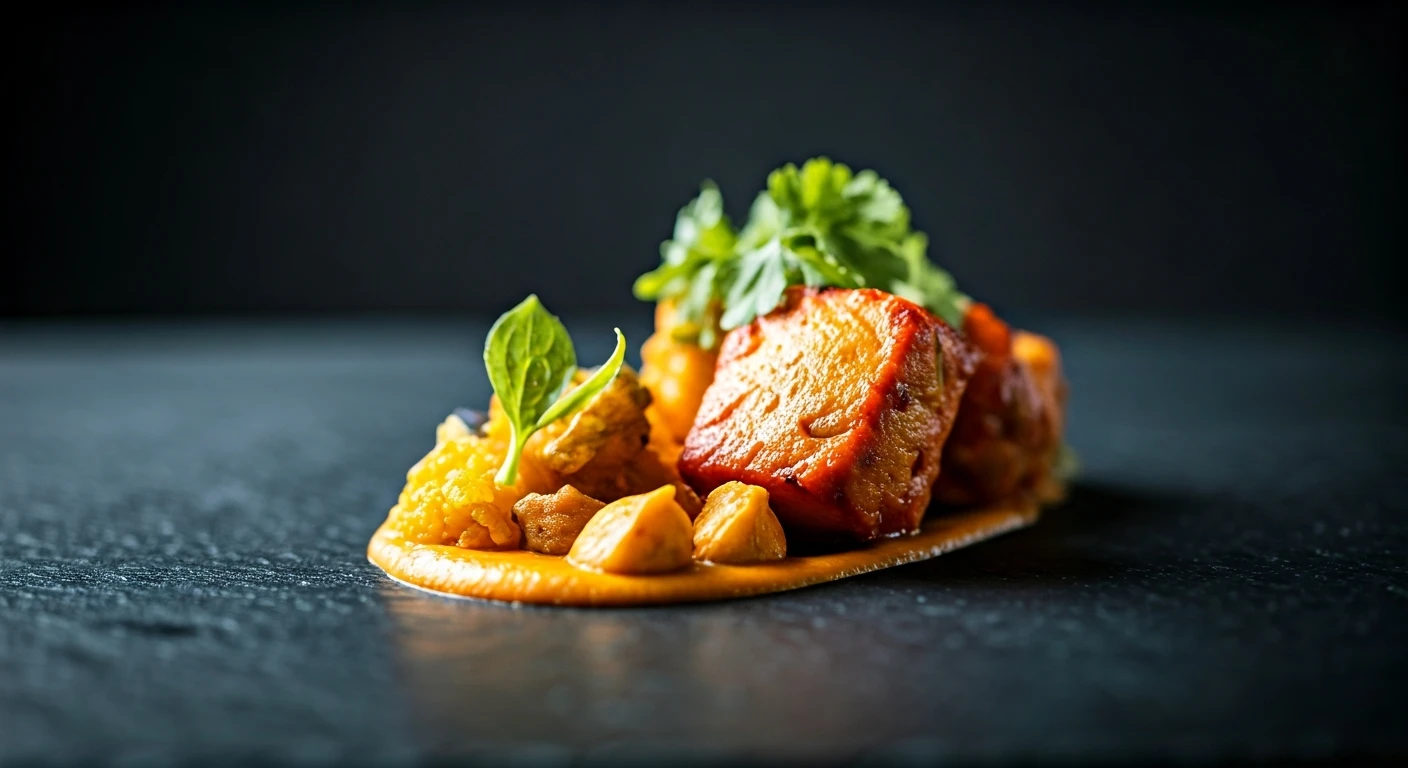
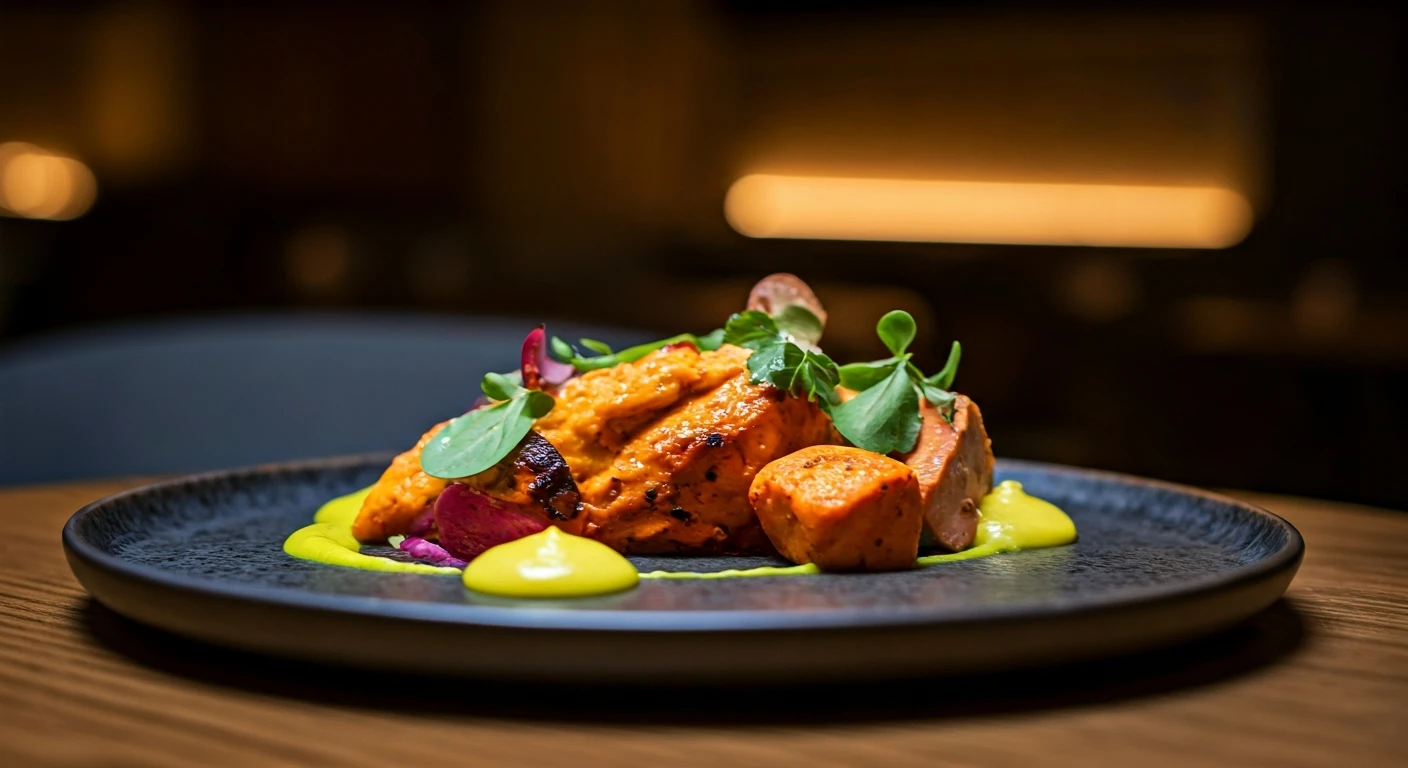
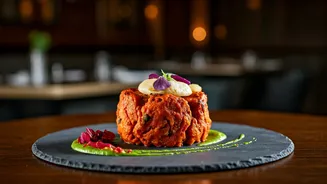
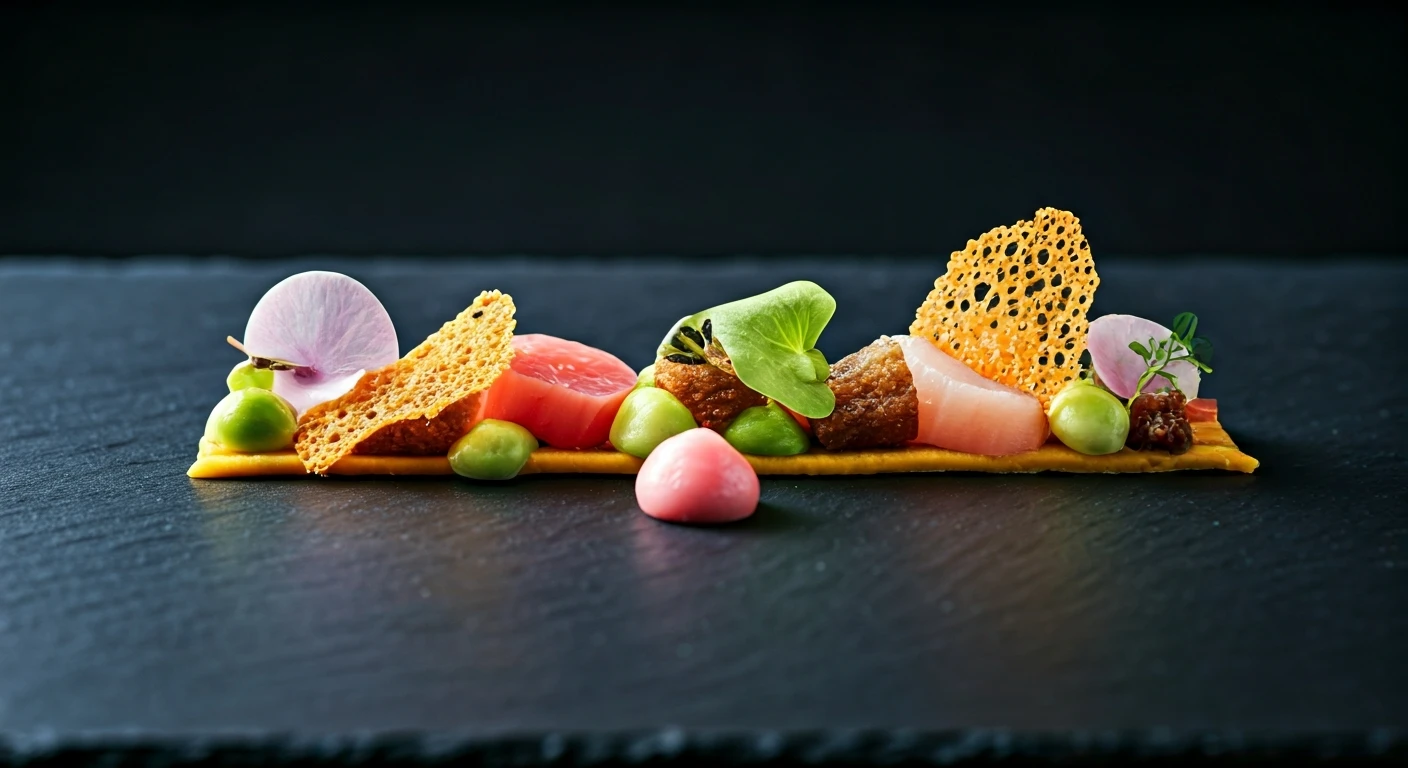
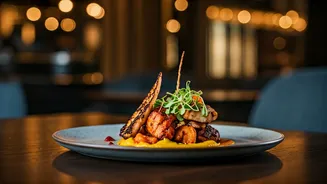
This “remix” isn’t about chaotic fusion or deconstruction for its own sake. Instead, it’s a thoughtful re-examination of memory and tradition. At a restaurant like Semma, which earned a Michelin star for its focus on regional South Indian food, you find dishes that tell a story of a specific place—food that chef Vijay Kumar grew up eating in his village in Tamil Nadu. The nostalgia here isn't the generic memory of a tikka masala, but the deeply personal memory of a grandmother's recipe. In other kitchens, the remix might mean applying modern techniques or high-quality, local American ingredients to a classic dish. Imagine a golgappa (or pani puri), the classic street food snack, but with the spiced water served in a self-pour teapot for a touch of tableside theater. Or a classic butter chicken, but made with heirloom tomatoes and free-range chicken, elevating the familiar into something sublime. It’s about honoring the soul of a dish while giving it a new context, proving that tradition can be a launching pad, not an anchor.
A More Delicious Future
This movement is about more than just what’s on the plate. It's a reflection of the evolving identity of the Indian diaspora in America. For years, the goal was to fit in. Now, the goal is to stand out, to share the full, complex, and vibrant story of a culture. By digging into hyper-regional and personal food memories, these chefs are giving diners a more honest and exciting education in what Indian food truly is: not one single cuisine, but a continent of them. It challenges diners, too. It asks us to be more curious, to step away from the familiar and trust the chef's vision. It encourages us to ask where a dish comes from, what its story is, and why it tastes the way it does. The reward is a dining experience that’s not just about consumption, but about connection and discovery. The old favorites aren't going anywhere, but they now have company—and the family dinner table just got a whole lot bigger.