
You Hit the Weather Sweet Spot
Ladakh, perched high in the Himalayas, has a notoriously short tourist season. But June? June is the Goldilocks month. The brutal winter has long passed, and the sun is out in full force, bathing the stark, beautiful landscape in crisp, clear light. Temperatures
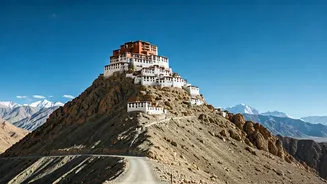
in the capital, Leh, hover in the comfortable 60s and 70s Fahrenheit during the day. It's perfect for exploring ancient monasteries without freezing or sweating through your layers. Crucially, you’re also arriving before the unpredictable monsoon rains of July and August can sometimes wash out roads in the lower Himalayas, making your journey there and back much more reliable. You get all of the magnificent high-altitude sun without the meteorological drama.
The Legendary Highways Are Finally Open
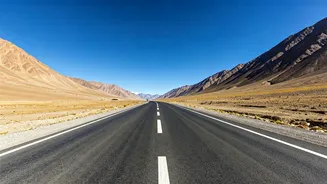
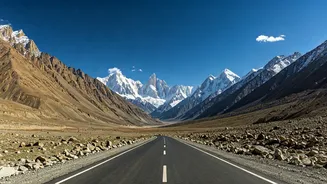
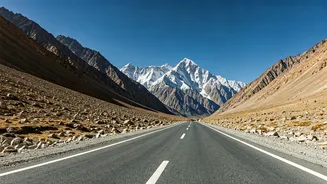
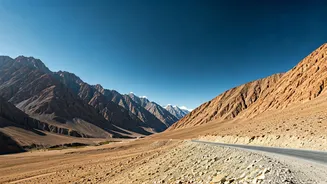
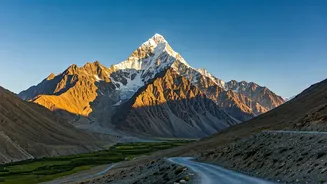
For many, the journey to Ladakh is as important as the destination itself. The two main arteries—the Manali-Leh Highway and the Srinagar-Leh Highway—are epic road trips in their own right, crossing some of the highest motorable passes in the world. They are also buried under dozens of feet of snow for more than half the year. Their opening in late May or early June is a celebrated event. Arriving in June means you get to be among the first to traverse these routes. The snow-walls lining the road at passes like Rohtang La and Baralacha La can still be towering, creating a surreal and spectacular driving corridor. You're not just taking a road; you're driving through a recently conquered winter kingdom, a boast-worthy experience if there ever was one.
You Beat the Peak-Season Crush
Here’s the real insider secret. While Ladakh is open for business in June, the biggest crowds have yet to arrive. The peak tourist season hits in July and August, coinciding with summer holidays across India. In June, you're in the sweet spot between the roads opening and the full-blown tourist rush. This translates to more accommodation options, less-crowded monasteries, and a more serene experience at iconic spots like Pangong Lake (the famous blue lake from the end of *The Three Idiots*). You’ll find a pleasant buzz of fellow adventurers without feeling like you're just another face in a massive crowd. It feels less like a tourist trap and more like a shared pilgrimage.
The Landscape Is at Its Most Dramatic
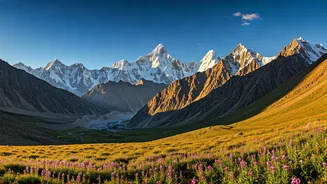
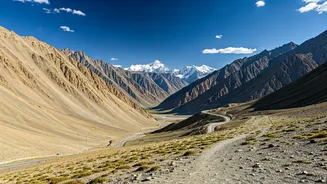
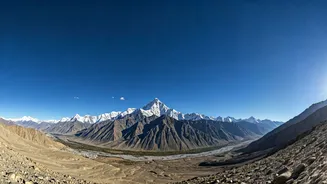
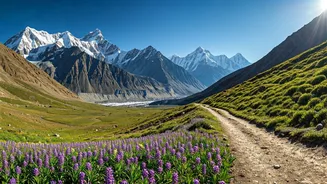
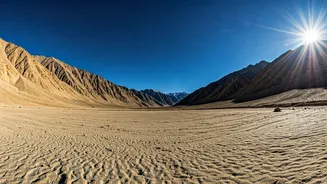
Early summer gives Ladakh a unique, vibrant look. The massive snowmelt from the winter--caked mountains means the rivers, like the Indus and Zanskar, are running high and fast, a brilliant turquoise against the arid brown mountains. Patches of the landscape, especially in the Nubra Valley and along riverbanks, explode into shocking shades of green. This contrast—snow-capped peaks, barren rock faces, vibrant green valleys, and rushing blue water—is at its most stark and photogenic in June. Later in the season, the landscape can become drier and dustier. But in June, it feels alive, fresh, and bursting with energy.
The Festivals Begin
Ladakhi culture is deeply tied to its Tibetan Buddhist roots, and the heart of this culture is on full display during its monastic festivals, or 'Tsechus.' While dates vary based on the lunar calendar, some of the region's most vibrant festivals, like the famous Hemis Tsechu, often kick off in June. These are not tourist shows; they are deeply spiritual events where locals gather to watch monks in elaborate masks and silk costumes perform ritual dances that have been passed down for centuries. Witnessing a festival is a powerful, immersive experience that connects you to the soul of the region. Checking the festival calendar before you book could be the cherry on top of an already perfect trip.