




The Unexpected Power Couple
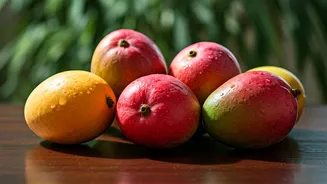
For many Americans, mangoes signal the official start of warm weather. We slice them into salads, blend them into smoothies, or just eat them over the sink, letting the juice run down our chins. The fruit’s profile is overwhelmingly sweet and tropical.
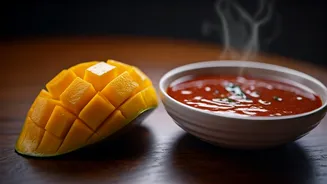
So, the idea of dusting it with a pungent, savory spice blend might seem counterintuitive. Yet, this is precisely the trend gaining traction in culinary circles. The sweet, luscious flesh of a ripe mango meets the sharp, tangy, and spicy notes of a South Indian-inspired seasoning, creating a taste sensation that’s far more than the sum of its parts. It’s a bold move that challenges our expectations, much like sprinkling chili and lime on watermelon or a dash of sea salt on a caramel brownie.
So, What Exactly Is Rasam?
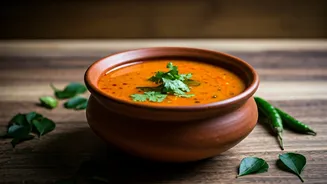
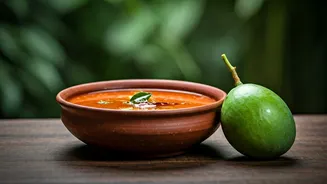
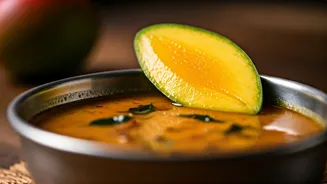
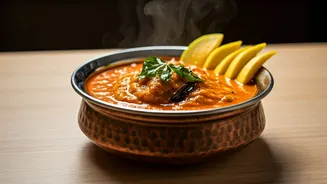
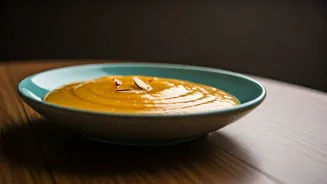
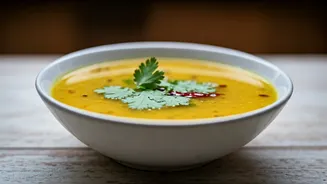
If ‘rasam’ is a new word for you, think of it as the soulful, liquid heart of South Indian cuisine. It’s not just a soup; it's a digestif, a comfort food, and a flavor bomb all in one. Traditionally, rasam is a thin, peppery broth made with a tamarind base, tomatoes, and a potent mix of spices like black pepper, cumin, coriander, and mustard seeds. Some versions include lentils or garlic. The result is a complex liquid that hits every taste receptor: it’s sour, spicy, salty, and deeply savory. The term ‘rasam’ itself translates to ‘juice’ or ‘essence,’ which perfectly captures its role. It’s meant to awaken the palate and aid digestion, often served with rice or sipped on its own. It's this vibrant, multi-layered flavor profile that provides the ‘energy’ mentioned in this new trend.
From Soup Bowl to Spice Shaker
The leap from a liquid soup to a dry spice blend is a work of modern culinary magic. This trend has been largely ignited by innovative brands and chefs looking to deconstruct global flavors for a new audience. The concept of a ‘rasam spice’ takes the essential ingredients of the traditional broth—dried, toasted, and ground—and turns them into a versatile finishing powder. Brands like the cult-favorite Fly By Jing have collaborated with tastemakers to create specific ‘Rasam Spice’ blends, bottling that unique tangy-hot-savory essence. This innovation makes a complex, regional flavor profile instantly accessible. Instead of simmering a pot of soup for hours, you can get that same flavor punch with a simple shake, ready to be sprinkled on anything from roasted vegetables to, you guessed it, fresh fruit.
A Match Made in Flavor Heaven
Why does this pairing work so well? It’s a classic case of culinary contrast. The intense sweetness of a ripe mango provides the perfect canvas for the savory and spicy notes of the rasam blend. The tamarind’s sourness cuts through the fruit's sugar, preventing it from being cloying. The black pepper and chili provide a surprising warmth that blooms on the tongue, while cumin and coriander add an earthy, aromatic depth. It’s the same principle that makes Tajín a beloved fruit topping across Mexico and the U.S. By adding salt, spice, and acid to something sweet, you create a more dynamic and memorable eating experience. It transforms a simple snack into a complex culinary moment, keeping your palate engaged and coming back for more.
How to Ride the Rasam Wave
You don't need to be a professional chef to experiment with this trend. The easiest entry point is to sprinkle a rasam-inspired spice blend over slices of ripe or semi-ripe (green) mango. The slight tartness of a greener mango is an especially good match for the spices. But don't stop there. You can incorporate it into a mango salsa with red onion and cilantro for an explosive dip. Try whisking it into a vinaigrette to dress a summer salad. Or, get really creative and use it to rim the glass for a mango margarita or a spicy mango lassi. Whether you buy a pre-made blend or try making your own by toasting and grinding spices, the key is to start small and find the balance that works for you.