



Swap Pricey Lattes for Local Brews
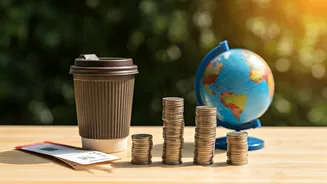
That daily $6 specialty coffee on vacation feels like a small indulgence, but over a week-long trip for two, you're looking at nearly $85 spent on caffeine alone. Instead, pack a few of your favorite tea bags or instant coffee packets from home and use
the hotel room's kettle to start your day. If you must buy coffee, skip the big international chains and find a local bakery or small café. You’ll often pay less, get a more authentic experience, and support a small business in the process. It's a small change with a big impact on your daily spending.
Embrace the Reusable Water Bottle
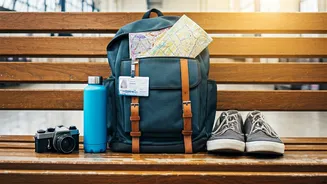
Buying bottled water is one of the most common and easily avoidable travel expenses. A single bottle can cost $2 to $5 in tourist-heavy areas, airports, and theme parks. Over a few days, that adds up significantly. Bring a lightweight, empty reusable water bottle through airport security and fill it up at a fountain on the other side. Most hotels, restaurants, and public spaces in the U.S. and Europe have safe, drinkable tap water. It’s better for your wallet, better for the planet, and a habit that pays for itself after just a few refills.
Become a Public Transit Pro
When you land in a new city, the instinct is often to grab a taxi or call a rideshare. While convenient, this is almost always the most expensive option for getting around. Before your trip, do a five-minute search on the city’s public transportation system. Download the local transit app, figure out how to buy a multi-day pass, and learn the key bus or subway routes from your hotel. You’ll not only save a bundle but also experience the city like a local, discovering neighborhoods you might have otherwise sped past in a car.
Master the Art of the Picnic Lunch
Eating out for every meal is a major budget-buster. Lunch, in particular, can be an expensive, time-consuming affair when you're trying to see the sights. The simple solution? The picnic. Stop by a local grocery store or market in the morning and pick up fresh bread, cheese, fruit, and a local specialty. It’s a fantastic way to sample regional foods for a fraction of the restaurant price. Enjoy your meal in a scenic park or on a public square. You save money, eat well, and create a memorable experience that a crowded restaurant can’t replicate.
Strategize Your Souvenir Shopping
Buying souvenirs from the first shop you see near a major landmark is a recipe for overspending. These prime-location stores pay high rent, and they pass that cost on to you. Instead of impulsive buys, make a mental note of what you’re looking for and wait. Often, shops just a few blocks away from the main tourist drag offer the same or better items for a lower price. Better yet, seek out local markets, craft fairs, or even grocery stores for authentic, affordable keepsakes. A beautifully packaged local chocolate bar can be a more memorable gift than a mass-produced magnet.
Hunt for Free Museum Days
Almost every major city has museums and cultural attractions that offer free or "pay-what-you-wish" admission on certain days or evenings. A quick search for "[City Name] free museum days" before you go can save you $20-$30 per person, per museum. Even if the free day doesn't align with your schedule, check for other discounts. Many institutions offer reduced prices for students, seniors, or for booking tickets online in advance. Never pay full price at the door until you've explored all other options; a few minutes of research can easily save you the cost of a nice meal.