







First, Let’s Unpack the Name
Before diving into the 'why,' let's tackle the 'what.' For many Americans, the name itself is a delicious puzzle. 'Bhindi' is the Hindi word for okra, a vegetable pod more commonly associated with Southern gumbos and stews than with crispy chips. When
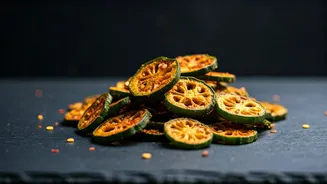
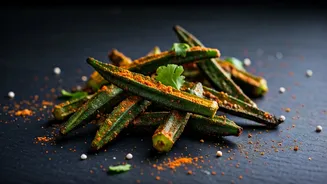
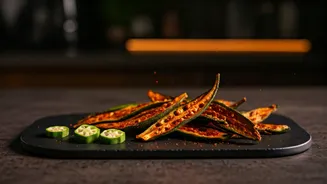
sliced thin, tossed in a light coating of chickpea or corn flour, and air-fried, okra transforms. It loses its sometimes-divisive sliminess and becomes addictively crunchy, offering a satisfying, potato-chip-like texture. Then there’s 'peri-peri.' This isn't just generic chili powder. Originating in Southern Africa with Portuguese influence, peri-peri (or piri-piri) is a specific type of bird's eye chili known for its slow-building, fruity heat. The seasoning blend typically includes garlic, citrus, paprika, and herbs, creating a complex flavor that’s tangy, savory, and spicy all at once. It’s the kind of bold, international flavor profile that immediately elevates a simple vegetable into a crave-worthy snack.
The Air Fryer 'Health Hack'
A huge part of the appeal lies in two magic words: 'air-fried.' Gen Z, a generation highly attuned to wellness but unwilling to sacrifice flavor or satisfaction, views the air fryer as a kitchen essential. It's a tool for 'hacking' traditionally unhealthy foods. Deep-fried okra is delicious but comes with a heavy dose of oil and guilt. Air-frying, which uses circulating hot air to achieve a similar crispiness with a fraction of the oil, offers the perfect compromise. This isn't just about cutting calories; it's about a mindset. The snack feels like a clever workaround—a way to enjoy the sensory pleasure of a fried chip without the downsides. It aligns with a broader trend of seeking out healthier versions of comfort foods, from cauliflower pizza crusts to zucchini noodles. The bhindi chip is the ultimate expression of this: a vegetable disguised as junk food, made possible by modern kitchen tech.
A Passport on a Plate
This snack is also a testament to a generation with an adventurous and global palate. The combination of an Indian vegetable staple (bhindi) with a fiery Afro-Portuguese spice blend (peri-peri) is a microcosm of modern, globalized food culture. For Gen Z, culinary exploration doesn’t require a plane ticket; it happens in their own kitchens, guided by social media. They are digitally native foodies, comfortable mashing up ingredients and techniques from different parts of the world. Unlike previous generations who might have been introduced to international foods through formal restaurant dining, this group discovers them through TikTok tutorials and Instagram Reels. The rise of peri-peri bhindi chips shows a move away from Anglocentric or Eurocentric flavor profiles and an enthusiastic embrace of tastes from South Asia, Africa, and Latin America. It’s about seeking authenticity and excitement in every bite, and proving that a simple vegetable can be a canvas for a world of flavor.
Engineered for Social Media
Finally, you can’t separate this trend from the platform that fuels it: social media. Air-fried peri-peri bhindi chips are incredibly photogenic and videogenic. The process is visually appealing—the vibrant green okra getting tossed in bright red spices, the satisfyingly neat arrangement in the air fryer basket, and, most importantly, the final 'crunch' shot. That audible crispness is ASMR gold, a key ingredient for a viral food video. The DIY nature of the snack also makes it perfect for sharing. It's not a complicated pastry or a 12-hour brisket; it's an accessible, 20-minute recipe that most people can replicate. This encourages participation, with users sharing their own versions, spice adjustments, and dipping sauces (like a cooling yogurt raita). It’s a snack that’s not just for eating but for creating, sharing, and participating in a larger cultural conversation, one crunchy, spicy bite at a time.