


The Death of the Diet Salad
First, let’s be clear: this isn’t your mother’s diet salad. The ghost of 90s lunch culture—a joyless bowl of iceberg lettuce, a few lonely cherry tomatoes, and a drizzle of fat-free vinaigrette—has been officially exorcised. That approach was rooted in restriction
and calorie-counting, a mindset that many in Gen Z are actively rejecting. The new wave of salads isn’t about eating less; it’s about packing as much color, texture, and nutritional value into one bowl as possible. It’s a shift from a culture of deprivation to one of abundance and holistic wellness. The goal isn’t to be skinny; it’s to feel energized, nourished, and frankly, to eat something that looks as good as it tastes.
Anatomy of the Perfect Bowl
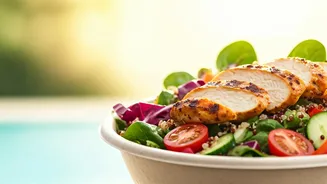
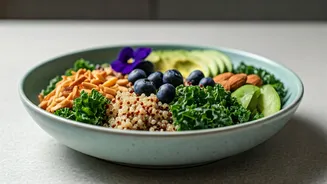
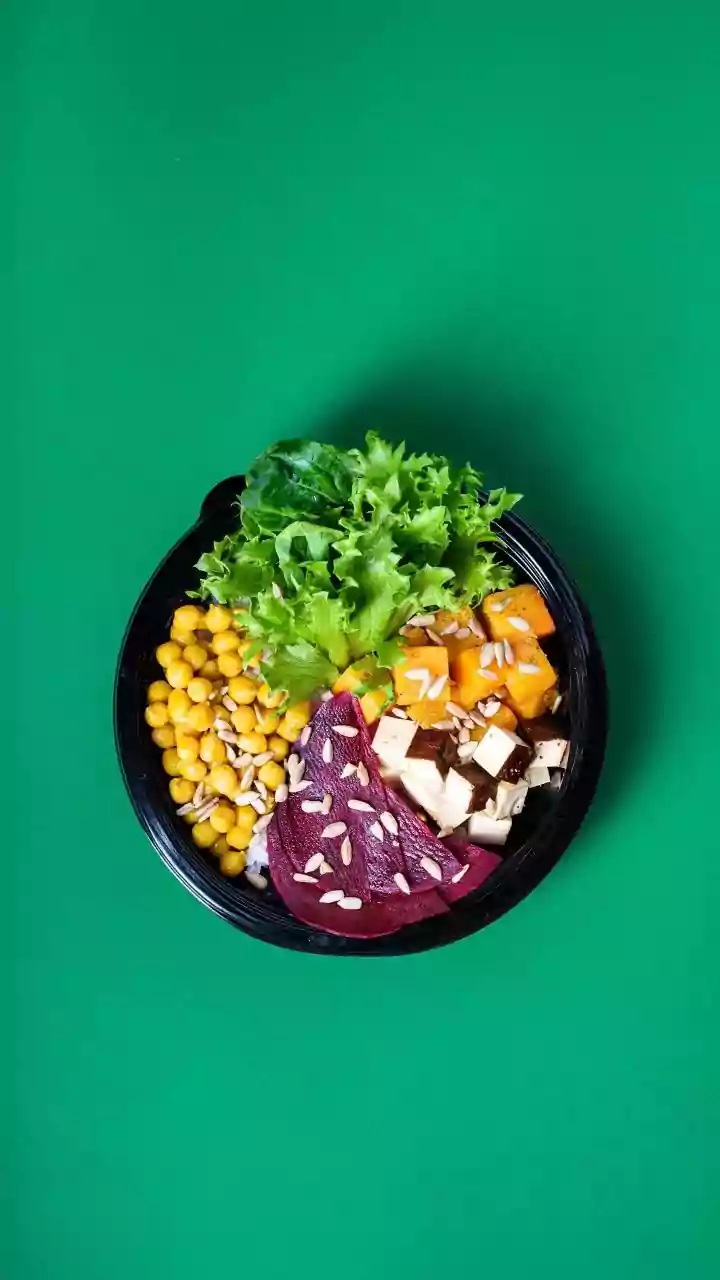
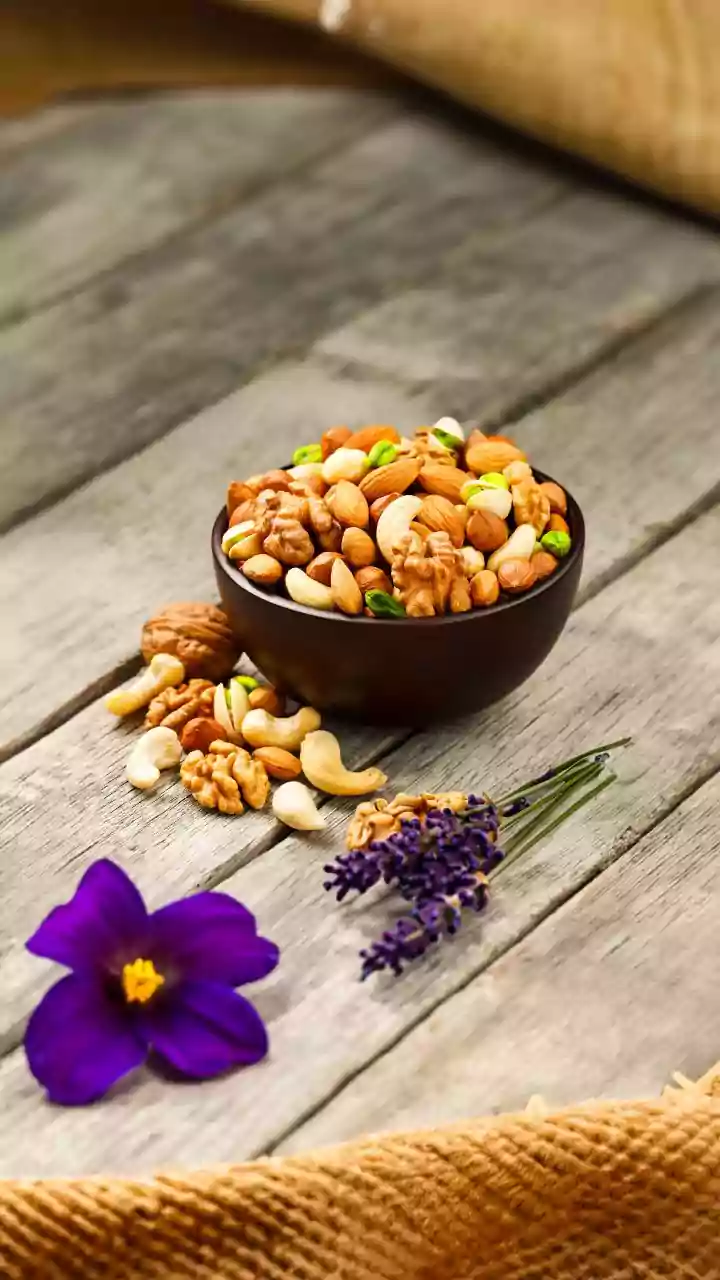
So, what defines this new-guard salad? It’s less a strict recipe and more a modular-building-block formula. It starts with a hearty base, often something more substantial than just leafy greens—think quinoa, farro, massaged kale, or even roasted sweet potato. Next comes the protein, which is just as likely to be plant-based (roasted chickpeas, lentils, baked tofu) as it is animal-based (grilled chicken, salmon). The real fun is in the add-ins, a riot of color and texture: pickled red onions, creamy avocado, crunchy bell peppers, shredded beets, corn, and edamame. A sprinkle of “good fats” from nuts or seeds like pumpkin or sunflower is essential for crunch and satiety. The final touch is a homemade dressing—no bottled stuff here. A simple lemon-tahini drizzle, a basil vinaigrette, or a zesty lime-cilantro creation ties everything together. It’s a full-fledged meal, not a side dish.
It’s Not Lunch, It's a Lifestyle
The popularity of the superfood salad among Gen Z isn't accidental; it perfectly aligns with the generation’s core values. Firstly, it’s photogenic. In an era where you eat with your eyes first (and your phone’s camera second), a vibrant, rainbow-hued bowl is prime content for TikTok and Instagram. Secondly, it champions wellness over dieting. The focus is on nutrient density, gut health, and whole foods—a language of self-care, not self-punishment. Thirdly, customization is king. This isn't a one-size-fits-all meal. Building a bowl is an act of personal expression, catering to individual tastes, dietary needs, and what’s currently in the fridge. This flexibility also makes it a practical choice for a generation that values convenience and efficiency, as many of the components can be meal-prepped for an easy week of lunches.
The TikTok-to-Table Pipeline
If you want to understand the velocity of this trend, look no further than social media. Platforms like TikTok have become Gen Z’s de facto cookbook and culinary school. A viral video from a creator like @healthygirlkitchen or @feelgoodfoodie can launch a specific combination—like the “Green Goddess Salad” that took over the internet—into the mainstream overnight. These videos aren’t just recipes; they are mini-tutorials that make cooking feel accessible, fun, and communal. The comment sections become forums for swapping ingredient ideas and modifications. It’s a digital-age potluck where a shared aesthetic and a common desire for delicious, feel-good food have turned the humble salad into a cultural touchstone.