



What Is a Café Walk?
Imagine a walk with no destination. Your only goal is to drift through a charming neighborhood, letting your eyes guide you from one aesthetic discovery to the next. This is the essence of a Korean café walk. It’s not about grabbing a coffee on the go;
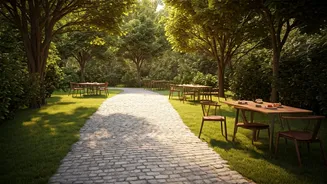
it’s an activity in itself. Popular in Seoul neighborhoods like Yeonnam-dong, with its grassy park-side alleys, or Seongsu-dong, the “Brooklyn of Seoul” where industrial warehouses hide stunningly designed coffee shops, a café walk is a deliberate act of leisure. You might start at a minimalist spot with concrete walls and a single, perfect pastry on display, linger for an hour, then stroll down the block to a three-story café filled with plants and vintage furniture. The journey between them is just as important—a chance to notice the small details of the street, the independent boutiques, and the art that gives each neighborhood its soul.
The Culture of the 'Soft Escape'
To understand the appeal of the café walk, you have to understand the pressures it pushes back against. South Korean society is famous for its “ppalli-ppalli” (hurry, hurry) culture—a relentless drive for speed and efficiency that fuels its economic success but also contributes to widespread burnout. From grueling academic schedules to some of the longest working hours in the developed world, the demand for constant performance is immense. The café walk is a form of what Koreans call “healing” (힐링), a broad cultural trend focused on finding moments of rest and emotional recovery. It’s a “soft escape” because it’s accessible, low-stakes, and gentle on the soul. It requires no grand plan or significant expense. It’s an escape not to a distant beach, but to a quiet corner table just a few subway stops away, offering a temporary reprieve from a world that rarely stops moving.
More Than Just the Coffee
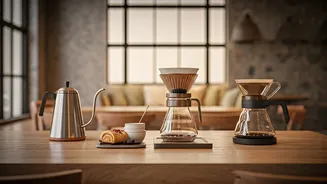
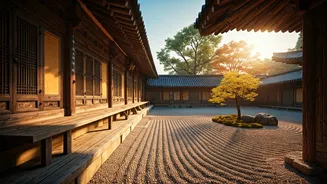
Ask anyone who frequents these spots, and they’ll tell you the quality of the espresso is often secondary. In Korea’s hyper-competitive café market, the experience is everything. Cafés are not just beverage vendors; they are meticulously curated spaces designed to be inhabited, enjoyed, and, crucially, photographed. Each one is a destination with a distinct identity. One might be a traditional Korean house (hanok) with floor seating and rice cake desserts. Another might be a stark, futuristic gallery with avant-garde art. Another still could be filled with adorable cats, raccoons, or even sheep. The drinks and desserts are part of the aesthetic—think lattes topped with elaborate foam art and cakes that look like jewels. This focus on visual perfection makes the café a key player in the social lives of young Koreans, serving as the perfect backdrop for social media and a tangible reward for taking time for oneself.
A Quiet Form of Rebellion
In a culture that often equates busyness with virtue, choosing to do nothing much at all for an afternoon can feel like a quiet act of rebellion. A café walk is the antithesis of productivity. It’s a conscious decision to prioritize aimless wandering over scheduled tasks, atmosphere over achievement. It’s about reclaiming one’s time and personal space in a world that constantly demands more. This isn’t about laziness; it’s about a new, emerging definition of a life well-lived. By spending hours simply soaking in the calm of a well-designed space, people are making a statement: my peace is as important as my progress. It’s a mindful practice that pushes back against the digital noise and external expectations, finding contentment in the simple, sensory pleasures of a beautiful room and a warm drink.