

Miso: The Umami Powerhouse
If you’ve only had miso in the complimentary soup at a sushi restaurant, you’re missing out on one of the most versatile ingredients storming American kitchens. Miso is a traditional Japanese paste made by fermenting soybeans with salt and koji, a type
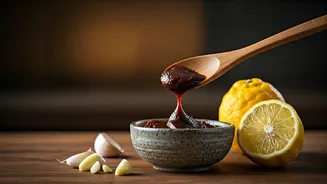
of fungus (it’s the good kind, trust us). The result is a savory, salty, and profoundly complex flavor bomb known as umami—the so-called fifth taste. For years, it was confined to its role in soup. But chefs and adventurous home cooks have unlocked its potential. Why? Because miso adds an incredible depth of flavor that salt alone can't achieve. White miso (shiro), which is milder and slightly sweet, is being whipped into butter and slathered on corn on the cob, blended into caramel sauces for a salty-sweet dessert, and whisked into vinaigrettes that make salads unforgettable. Darker, funkier red miso (aka) is elevating marinades for everything from salmon to steak, giving them a rich, savory crust and tender interior. It’s the ultimate flavor enhancer, a secret weapon that makes everything it touches taste more like itself, but better.
Yuzu: The Ultimate Citrus Upgrade
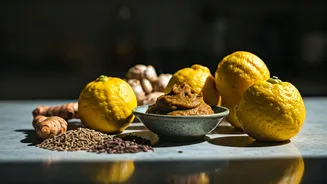
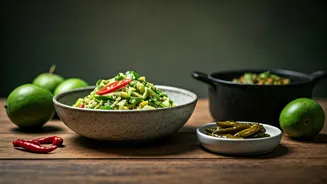
Move over, lemon and lime. Yuzu is the citrus that’s captured the imagination of bartenders and pastry chefs nationwide. This Japanese fruit looks like a small, bumpy grapefruit and tastes like a glorious mashup of a tart lemon, a fragrant mandarin orange, and a floral grapefruit. Its flavor is intensely aromatic and complex, providing a zesty brightness that feels both new and familiar. The fruit itself is rare and expensive in the U.S., so you’ll most often find its power harnessed in juice or zest form. This is where its “cool” factor shines. A splash of yuzu juice can transform a standard gin and tonic into an elegant, aromatic cocktail. Yuzu curd fills donuts and tarts, its sharp tang cutting through the sweetness. It’s the star of vibrant hot sauces, sophisticated aiolis served with fries, and even sparkling water. Its appeal is simple: in a world saturated with standard citrus, yuzu offers a more nuanced, grown-up acidity that instantly makes any dish or drink feel special and intentional.
Garlic: The Old Friend's New Tricks
Okay, garlic? Cool? Garlic has been a kitchen staple for centuries. But we’re not talking about the jar of pre-minced stuff in your fridge. Garlic’s new moment in the spotlight is all about transformation. It’s about taking a familiar ingredient and revealing its hidden depths through techniques that have gone viral on social media and crept onto high-end menus. Enter black garlic. By slow-cooking whole bulbs at low heat for weeks, the cloves turn jet-black, soft, and jelly-like. The harsh bite disappears, replaced by a sweet, mellow, almost balsamic-tasting flavor with hints of molasses and tamarind. It’s being pureed into butters, blended into aioli for burgers, and even infused into chocolate. Then there’s garlic confit—cloves slow-poached in oil until they are soft, sweet, and spreadable, a TikTok sensation for good reason. Or fermented honey garlic, where cloves pickle in honey for weeks, creating a syrupy, sweet-and-savory elixir. It’s no longer just a supporting actor; garlic is being reinvented as a complex star.