






The Great Pandemic Pet Boom Hits the Road
To understand why your Instagram feed is suddenly full of golden retrievers posing on mountaintops, you have to rewind to 2020. The pandemic-driven surge in pet adoption created a massive generation of new owners who bonded deeply with their animals during
lockdowns. According to the American Pet Products Association, about 23 million American households acquired a cat or dog during the crisis. For these owners, particularly millennials and Gen Z, pets aren't just animals; they are family. When the world opened back up, the idea of leaving a family member in a kennel felt unthinkable. The travel industry, ever responsive to consumer demand, began to take notice. The question was no longer *if* people would travel with their pets, but *how* businesses could best cater to them.
From 'Pets Allowed' to 'Pets Preferred'
For years, “pet-friendly” was a euphemism for a hotel that would tolerate your dog for a steep, non-refundable fee. The room was usually on the ground floor next to the ice machine, and the amenities were non-existent. That standard is rapidly becoming obsolete. The new era is defined by genuine hospitality. We're seeing high-end hotels offering custom dog beds, chef-prepared canine room service menus, and designated “yappy hours” with complimentary “puptails.” Vacation rental platforms like Airbnb and Vrbo have made searching for pet-friendly properties a key feature, with hosts actively marketing their fenced-in yards and proximity to dog parks. This isn't just about allowing a dog on the property; it's about designing an experience that makes both the human and the animal feel welcomed and valued. It’s a seismic shift from viewing pets as a liability to seeing them as a lucrative market of very good boys and girls.
The Call of the Wild (and the Wi-Fi)
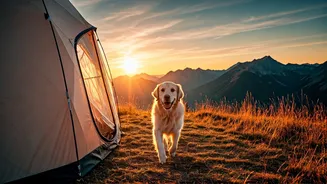
This trend truly finds its footing in the great outdoors. The desire to escape into nature, another post-pandemic priority, pairs perfectly with having a dog. It’s where the “nature travel era” really comes to life. Glamping sites and upscale campgrounds now feature prominently in dog-friendly travel plans, offering a rustic-but-comfortable home base for exploration. Companies specializing in outdoor gear have expanded their lines of canine equipment, from durable hiking booties and cooling vests to collapsible water bowls and GPS collars. Even America’s national parks, which have historically had strict pet restrictions, are becoming easier to navigate. While rules still limit access to many backcountry trails to protect wildlife, more parks are highlighting their pet-friendly paved paths, scenic drives, and designated picnic areas. Apps like AllTrails allow users to filter for dog-friendly hikes, removing the guesswork and making spur-of-the-moment adventures more accessible than ever.
Navigating the New Frontier Responsibly
Of course, this new freedom comes with responsibility. As more dogs join their humans on trails and in towns, the principles of good “petiquette” are paramount. The boom has also highlighted the patchwork of rules travelers face. One national forest might allow off-leash dogs, while a neighboring state park requires a six-foot leash at all times. Extra fees, weight limits, and breed restrictions can still be frustrating hurdles. The most successful canine adventurers belong to owners who do their homework, plan ahead, and prioritize the comfort and safety of their pet and the environment. This means always packing out waste, respecting wildlife, and ensuring their dog is well-behaved and under control. The future of this golden era depends on travelers proving that their furry companions can be good citizens of the road and the trail.