




The Comfort of a Curated Past
For a generation that came of age amidst global uncertainty, economic anxiety, and a pandemic, nostalgia isn’t just a fleeting feeling—it’s a survival mechanism. But Gen Z’s nostalgia is unique. Many of them have no firsthand memory of the Y2K era or the 90s,
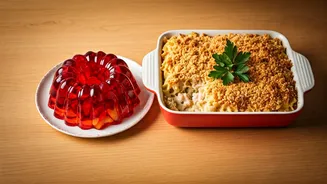
yet they’ve adopted its aesthetics as their own. This isn’t about remembering; it’s about remixing. Through TikTok and Instagram, they’ve accessed a collective, digitized archive of the past, cherry-picking the vibrant, seemingly simpler elements. The appeal of Lisa Frank-inspired colors, baggy jeans, and dial-up tones is about escapism into a past that feels comforting and, crucially, low-stakes. Food is a powerful vehicle for this feeling. The sugary cereals, brightly colored fruit snacks, and processed lunchbox staples of the 90s and early 2000s represent a form of uncomplicated joy. It's a taste of a childhood they either experienced or wished they had—a time before constant connectivity and existential dread.
The Unshakeable Wellness Mandate
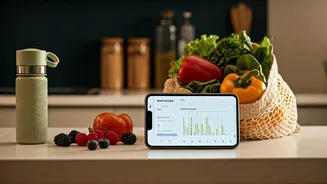
While their hearts may long for the past, their minds have been shaped by the present. Unlike Millennials, who watched wellness culture emerge, Gen Z was born into it. They grew up with Whole Foods on the corner, almond milk in the fridge, and influencers deconstructing ingredient labels on their phones. For them, scrutinizing what they consume isn't a trend; it's a baseline expectation. They are the most digitally native consumers in history, armed with an unprecedented ability to research products, question marketing claims, and share information. Words like 'gut health,' 'plant-based,' 'adaptogens,' and 'clean ingredients' are part of their everyday vocabulary. This wellness-first mindset means they can’t simply indulge in the sugar-laden snacks of yesteryear without a pang of cognitive dissonance. The pure, unadulterated comfort food of the past doesn't align with their modern values of health, transparency, and self-care.
Hacking Nostalgia in the Kitchen
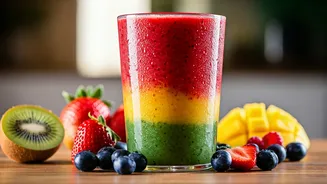
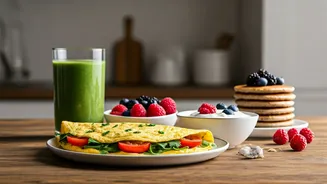
So what happens when an unstoppable force (the need for comfort) meets an immovable object (the demand for health)? You get a cultural hack. Gen Z isn't choosing between nostalgia and health; they’re demanding both in one package. This has sparked a massive wave of innovation, both from brands and from creators themselves. On TikTok, you'll find viral recipes for 'healthy' Cosmic Brownies made with black beans or protein-packed cookie dough using cottage cheese. It’s about capturing the essence—the look, the feel, the emotional payoff—of a nostalgic treat while upgrading the nutritional profile. This is the sweet spot where new brands are thriving. Companies like Magic Spoon and OffLimits have built entire businesses on this premise, offering high-protein, low-sugar cereals in psychedelic boxes that mimic the Saturday morning experience without the sugar crash. They've successfully decoupled the nostalgic aesthetic from the outdated nutritional formula, proving that consumers are willing to pay a premium for guilt-free comfort.
A Trend That Fills More Than a Bowl
This isn't just a food phenomenon; it’s a defining characteristic of the Gen Z mindset. It’s visible in the Y2K fashion revival, but with a focus on sustainable or ethically made pieces. It’s in their media consumption, where they’ll binge-watch 'Friends' but critique its lack of diversity. They are masters of the 'Yes, and...' approach to culture. They can appreciate the past while demanding it meet the progressive standards of the present. This desire to have it all—comfort and conscience, nostalgia and novelty, indulgence and wellness—isn't a sign of confusion. It’s a sophisticated and creative response to the world they inherited. They are not passive consumers of the past; they are active curators, taking what works and redesigning what doesn’t to build a culture that serves them better.