
More Than Just a Green Thumb
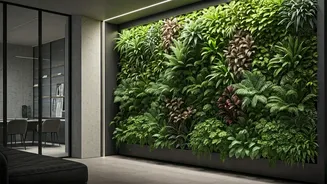
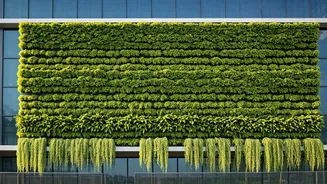
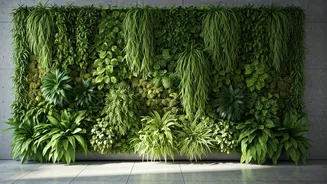
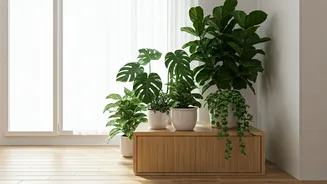
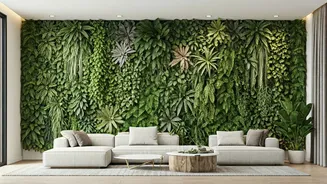
First, let’s be clear: a plant wall, or living wall, is far more than just a few potted plants on a shelf. It’s a vertical garden, a piece of living architecture where plants are rooted into a structural support system. This system is either attached
directly to a wall or built as a freestanding structure. The most sophisticated versions feature integrated hydroponic or irrigation systems that deliver water and nutrients automatically, creating a self-sustaining ecosystem. But the trend also includes simpler, more accessible DIY versions using modular panels, felt pockets, or trellises to create a dense tapestry of greenery. What was once reserved for the lobbies of futuristic corporate headquarters or luxury hotels is now being scaled down and reimagined for living rooms, kitchens, and even small apartments, fundamentally changing how we think about bringing the outdoors in.
The Roots of the Trend
So, why the sudden explosion in popularity? The answer lies in a powerful concept called “biophilia”—the idea that humans have an innate tendency to seek connections with nature. After years of spending more time indoors, many of us are craving that connection more than ever. A plant wall is the ultimate expression of this desire. It’s not just an accent; it’s an immersive experience. The trend is also a natural evolution of the houseplant craze that took hold in recent years. As people became more confident in their ability to care for plants, they started looking for bigger, bolder ways to incorporate them. A living wall is the ultimate statement piece—a dynamic, ever-changing work of art that provides a much-needed dose of organic texture and color in a world often dominated by screens and hard surfaces. It’s a rejection of sterile minimalism in favor of something vibrant, wild, and alive.
Breathing Life Into a Space
The benefits of a plant wall go far beyond aesthetics. They are natural air purifiers, with the plants and the microbes in their root systems working together to filter out common indoor pollutants like formaldehyde and volatile organic compounds (VOCs). While a single wall won't replace a high-end air filter, it contributes to a healthier indoor environment. Living walls are also excellent acoustic insulators. The leaves, stems, and soil substrate absorb sound, reducing echo and ambient noise, which can make a room feel calmer and more serene. Most importantly, studies have consistently shown that being around plants can reduce stress, lower blood pressure, and improve focus and creativity. A plant wall acts as a constant, gentle reminder of the natural world, offering a moment of tranquility in an otherwise busy day.
The Practical Side of Green
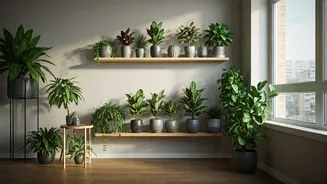
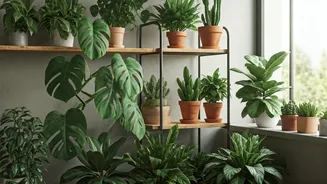
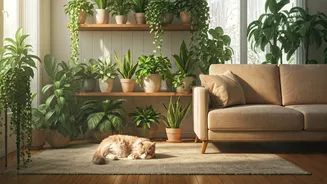
Before you start tearing down drywall, it’s important to understand the commitment. A professionally installed, self-irrigating living wall is a significant investment, often costing thousands of dollars depending on its size and complexity. These systems require structural considerations and professional installation. Maintenance involves monitoring the irrigation system, providing adequate light (often with specialized grow lights), and periodically pruning the plants. However, the barrier to entry is getting lower. A growing market of modular, consumer-friendly kits allows for smaller, more manageable installations. For those on a budget, creating the 'look' of a plant wall with wall-mounted planters, hanging vines, and strategically placed shelving can achieve a similar lush effect without the high cost and technical requirements. The key is to be realistic about your space, your budget, and the amount of time you’re willing to dedicate to care.