


1. Furniture That Does Double (or Triple) Duty
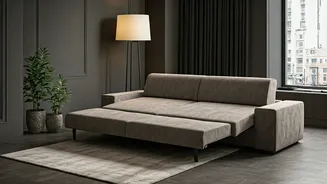
The era of the one-trick-pony sofa is over. The secret weapon in modern small-space living is multi-functional furniture that works as hard as you do. Think of coffee tables that rise to become dining tables for six, sleek consoles that unfold into a full-sized
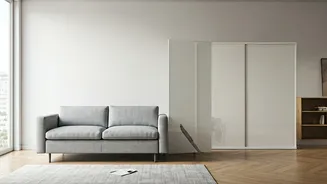
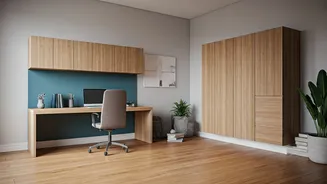
desk, or ottomans that hide a surprising amount of storage. The most iconic example remains the Murphy bed, but today’s versions are worlds away from the clunky contraptions of the past. Now, they are seamlessly integrated into custom cabinetry, often paired with a built-in sofa or desk that appears when the bed is stowed. This isn't just about saving space; it’s about creating dynamic rooms that can transform from a living room to a bedroom to a home office in minutes.
2. The Power of Built-In Everything
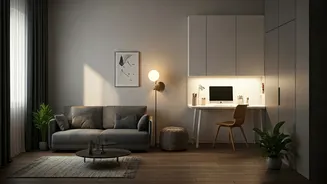
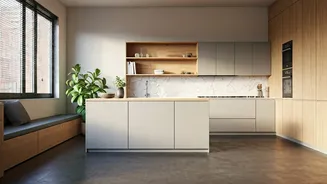
In a small apartment, stray furniture can quickly create visual chaos. The smartest interiors are leaning into custom built-ins that make storage feel like an architectural feature, not an afterthought. We're talking floor-to-ceiling bookshelves that frame a doorway, window seats with hidden drawers underneath, and kitchen cabinetry that extends to the ceiling to maximize every available inch. By building storage directly into the walls and matching it to the apartment’s aesthetic, designers create a seamless, uncluttered look. This approach makes a space feel larger and more serene because the storage disappears, leaving clean lines and an open feeling that freestanding wardrobes or shelves just can't replicate.
3. 'Zoning' Without Walls
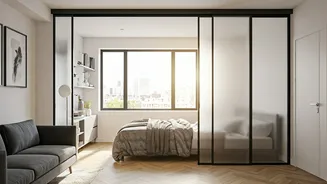
How do you create the feeling of separate rooms in a studio apartment that is, essentially, one big box? The answer is clever “zoning.” This technique uses visual cues to define different functional areas without putting up walls that would block light and shrink the space. A large, well-chosen area rug can anchor a “living room,” visually separating it from the kitchen area. A shift in paint color or a strategically hung piece of art can delineate a workspace. Glass and steel partitions are also becoming incredibly popular; they create a physical boundary for a sleeping nook while allowing light to pass through, maintaining a sense of openness. It’s a psychological trick that makes a single room feel like a complete home.
4. Going Vertical
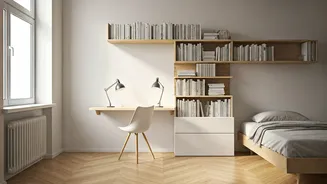
When you can’t build out, you build up. Smart designers are treating wall space as valuable real estate. This goes beyond just hanging a few shelves. Lofted beds are a classic solution, freeing up the entire floor space underneath for a desk, a closet, or a cozy seating area. In apartments with higher ceilings, some developers are even creating “micro-lofts” or sleeping platforms accessible by a ladder. But even in standard-height rooms, the principle applies. Slim, wall-mounted desks, vertical bike racks, and modular shelving systems that climb the walls all draw the eye upward and keep the floor clear, which is critical for creating a sense of spaciousness.
5. Maximizing Light and Reflection
Nothing makes a small space feel smaller than darkness. Consequently, maximizing natural and artificial light is a non-negotiable rule of smart interior design. Developers are opting for larger, floor-to-ceiling windows where possible. Internally, designers use every trick in the book: strategically placed mirrors to bounce light around and create an illusion of depth, a light color palette (think whites, creams, and soft grays) on walls and ceilings, and high-gloss finishes on cabinetry or backsplashes that reflect light. Even the lighting plan itself is crucial, with layered sources—ambient, task, and accent lighting—ensuring there are no dark corners and the space feels bright and welcoming at all hours.