





The Challenge of Rainy Summers
Whether you call it a monsoon, a wet season, or just a series of intense summer thunderstorms, periods of heavy rain can be tough on potted plants. Unlike plants in the ground, container gardens have nowhere for excess water to go. This leads to the number
one killer of container plants: root rot. Saturated soil suffocates roots, inviting fungal diseases and turning healthy foliage yellow and wilted. Furthermore, the combination of heat and humidity creates a perfect breeding ground for pests and diseases that can quickly overwhelm more delicate flowers. Many colorful annuals simply can’t handle the dual pressures of soggy soil and muggy air, leaving your patio looking sparse and sad just when it should be at its peak.
Enter the Marigold: A Cheerful Workhorse
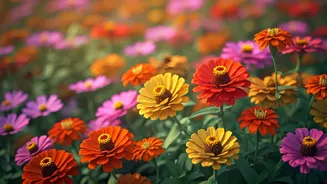
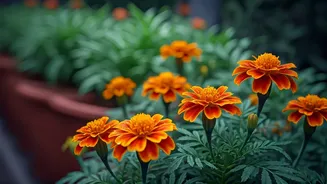
This is where marigolds (Tagetes species) shine. Far from being just a simple, old-fashioned flower, they are one of the most rugged and rewarding annuals you can grow. Marigolds are famously tolerant of a wide range of conditions, but they are particularly well-suited to the challenges of a wet summer. They aren’t fussy about soil, they can handle the heat, and most importantly, they don’t mind the fluctuations between a drenching downpour and a day of blazing sun. Their sturdy stems resist being beaten down by heavy rain, and their cheerful faces—in shades of yellow, orange, and red—provide a welcome pop of color that persists when other blooms have faded or been washed away. They are the definition of low-maintenance beauty.
Achieving Continuous Color
The first part of the headline’s promise is “continuous colorful blooms,” and marigolds deliver. The key to keeping them producing all season long is simple: deadheading. As soon as a flower begins to fade, pinch or snip it off at the base of the bloom. This prevents the plant from putting its energy into creating seeds and instead directs that energy toward producing new flowers. This one simple task, performed every few days, will reward you with a non-stop parade of color from late spring until the first frost. For container arrangements, choose a mix of French marigolds (Tagetes patula), which are more compact and bushy, and taller African marigolds (Tagetes erecta) to create layers of color and texture.
The 'Protection' Factor Explained
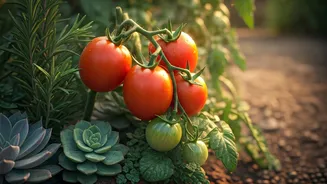
Marigolds have a well-deserved reputation as a “companion plant,” and this is where their protective qualities come in. While they aren't a magical force field, their benefits are real. The most scientifically supported claim is their ability to combat root-knot nematodes. The roots of many French marigold varieties release a biochemical that is toxic to these microscopic soil pests, which can damage the roots of other plants, particularly vegetables like tomatoes. Above ground, the strong, pungent scent of marigolds can confuse and deter some common garden pests, like whiteflies and certain beetles. While they won’t eliminate every pest, interplanting them in your containers creates a more diverse ecosystem that is less attractive to a monoculture-loving insect. Think of them less as a pesticide and more as a fragrant, beautiful layer of defense that helps keep your other plants healthier.
Your Rainy Season Container Strategy
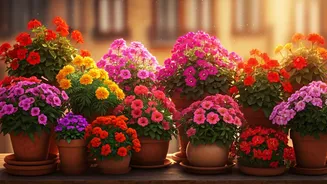
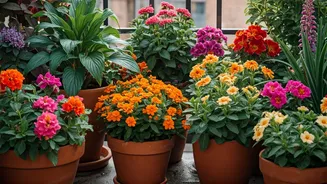
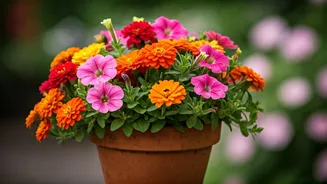
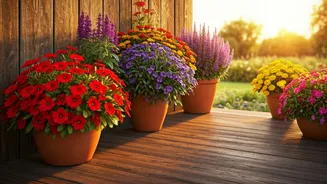
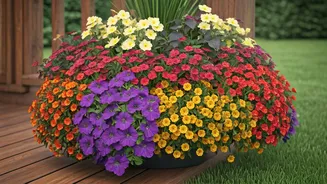
To make the most of marigolds, integrate them directly into your larger container arrangements. Tuck them around the base of a potted tomato plant, line the edge of a mixed flower pot, or create a full pot of them as a vibrant focal point. Their dense, mounding foliage helps shade the soil, reducing moisture evaporation on hot days, while their resilient nature ensures you’ll have color even after a deluge. Ensure all your containers have excellent drainage holes to help with the heavy rains. A simple mix of marigolds, petunias (which also tolerate rain well), and something with interesting foliage like coleus can create a stunning, storm-proof display that thrives on the very conditions that would decimate other arrangements.