


More Than Just a Side Piece
For decades, the American dinner plate has followed a familiar formula: a large portion of protein, a starch, and a token vegetable. But a quiet revolution is taking place in kitchens from fine-dining establishments to fast-casual hotspots. It’s called
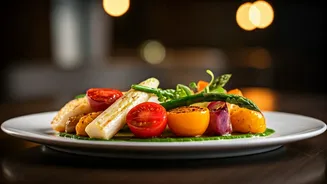
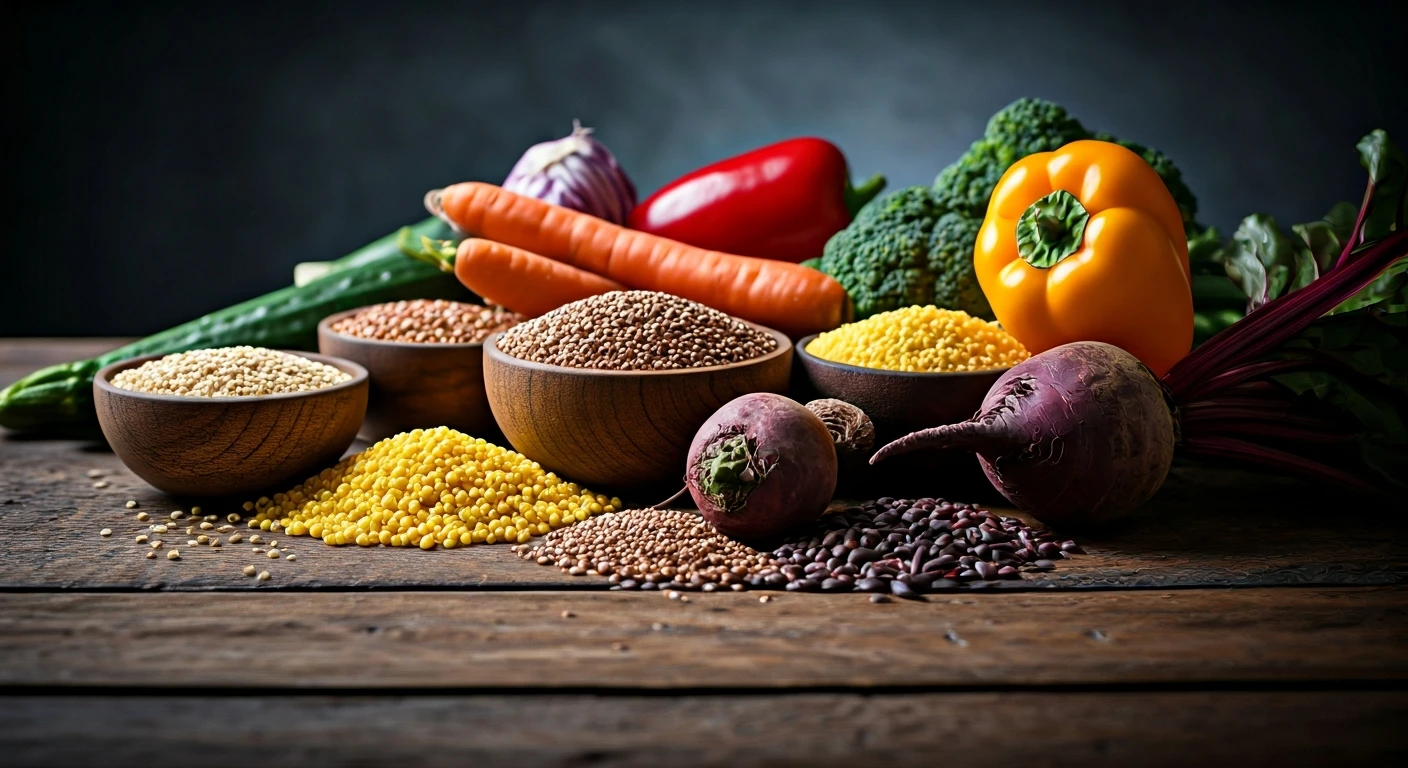
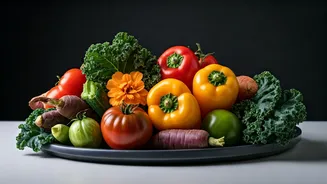
veggie-forward, or vegetable-centric, cooking, and it’s about treating vegetables with the same respect and creativity once reserved for a dry-aged steak or a piece of wild-caught salmon. This isn't about eliminating meat entirely, though it's celebrated in vegetarian and vegan circles. Instead, it's a philosophical shift. The goal is to build a dish around the complex flavors, textures, and possibilities of a carrot, a beet, or a head of cabbage, making them the undeniable star of the show. Think whole roasted cauliflower with tahini and herbs, not as a 'vegetarian option,' but as a headlining dish that meat-eaters order enthusiastically.
The Chefs Leading the Charge
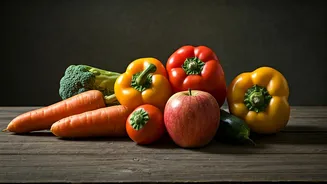
This movement is being driven by chefs who see vegetables as an exciting creative frontier. While there are only so many ways to cook a chicken breast, the world of vegetables offers an infinite palette of colors, textures, and cooking techniques. Pioneers like Chef Amanda Cohen of New York’s Dirt Candy have been championing this for years, proving that a restaurant focused exclusively on vegetables could be one of the most innovative in the city. But the trend has gone mainstream. You see it in the work of fine-dining chefs who are reducing their reliance on luxury proteins and exploring the depth of a humble turnip. They’re using techniques like fermenting, grilling, and charring to unlock umami and complexity in vegetables that rivals meat. For these chefs, it’s not a restriction; it’s a liberation. It challenges their skills and pushes them to create dishes that are not just 'good for a vegetable dish,' but are simply great dishes, period.
Why Now? Health, Cost, and Planet
The rise of the veggie-centric plate isn’t happening in a vacuum. It’s the result of several powerful currents converging at once. On the consumer side, there’s a growing awareness of the health benefits of a plant-rich diet. People want to eat lighter, fresher meals without sacrificing flavor or satisfaction. Then there’s the economic reality for restaurants. As the cost of high-quality meat and seafood continues to climb, chefs are finding that they can create profitable, exciting, and delicious dishes using more affordable, locally sourced produce. Finally, the elephant in the room is sustainability. Diners, especially younger generations, are increasingly conscious of the environmental impact of their food choices. A menu that celebrates vegetables aligns with a desire to eat more sustainably, making it a smart move for both the planet and the restaurant’s brand.
Finding It on Your Menu
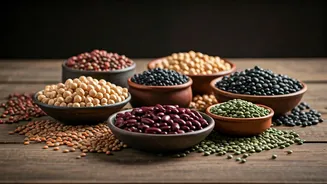
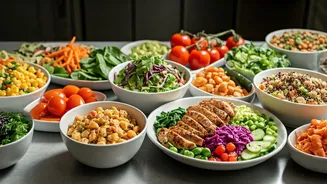
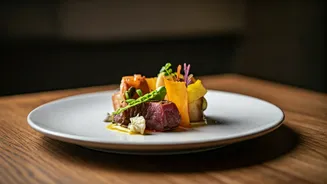
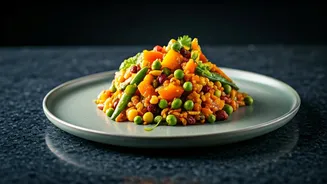
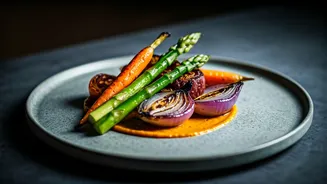
So, where can you see this trend in action? Everywhere, if you know what to look for. In fine dining, it’s the multi-course tasting menu that might feature a stunning beet tartare or a sunchoke dish with more complexity than a steak. In your favorite neighborhood bistro, it’s the expanded 'Plates' or 'Garden' section of the menu that goes far beyond a simple Caesar salad, featuring shareable dishes like blistered shishito peppers, fire-roasted carrots with yogurt sauce, or crispy Brussels sprouts with a balsamic glaze. Even the fast-casual space is dominated by this idea. Chains like Sweetgreen and Cava have built entire empires on the premise that a bowl of well-prepared vegetables, grains, and legumes can be a satisfying and crave-worthy meal. It's a democratization of good eating, proving that a focus on vegetables is not just for an elite few.