







More Than Thread and Dye
In many Indigenous cultures across the United States, weaving is not merely a craft; it is a sacred language, a historical record, and a vital link to ancestral knowledge. For generations, weavers have encoded stories, spiritual beliefs, and community
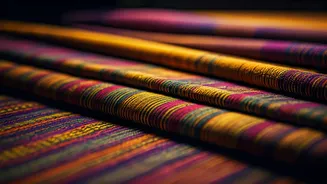
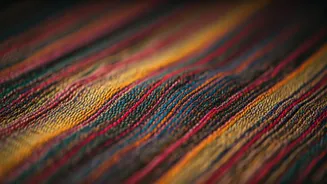
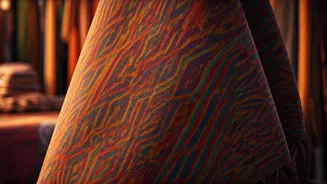
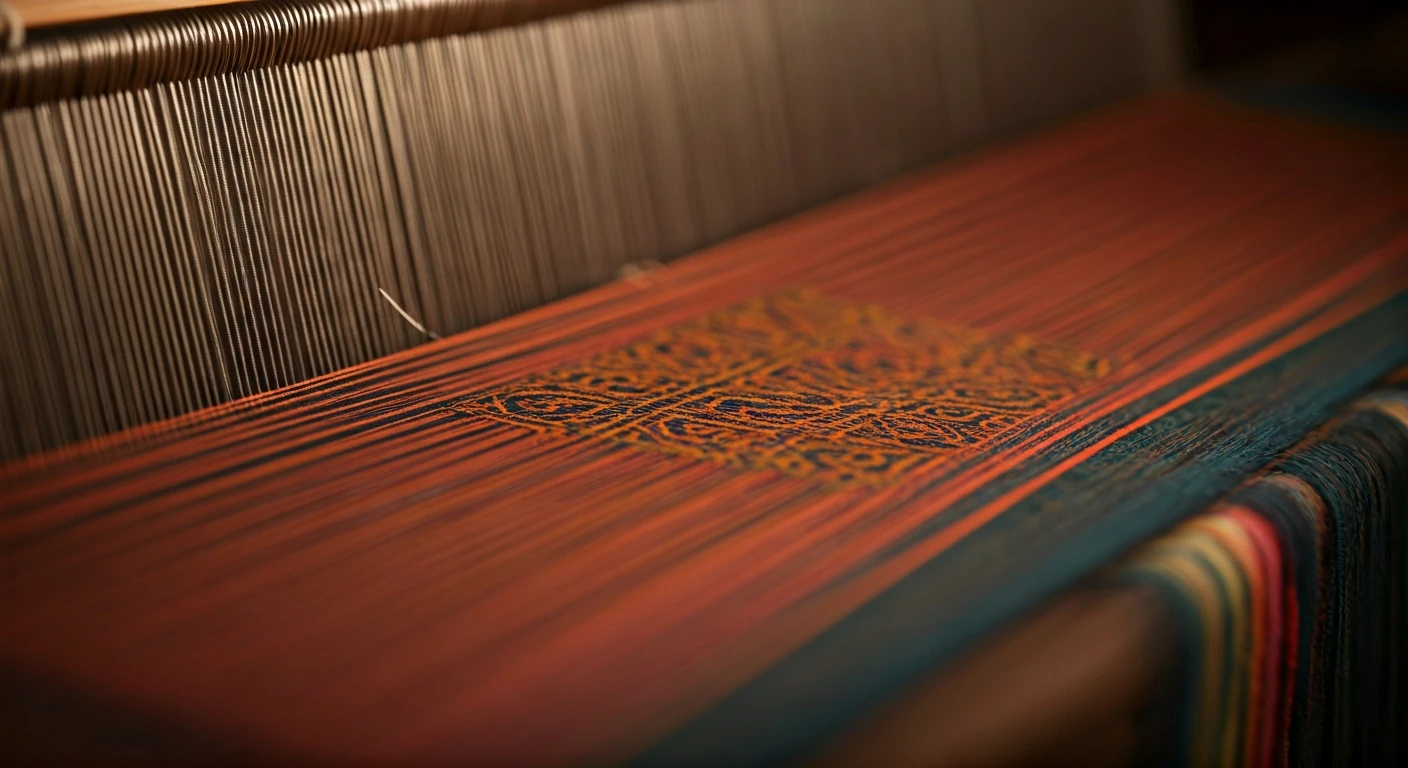
identities into their textiles. A Diné (Navajo) rug, for example, is far more than a floor covering. Its patterns can reflect the harmony of the universe (Hózhó), depict sacred landscapes, or tell the story of a specific family. Similarly, the geometric designs in Pueblo textiles carry meanings that have been passed down through centuries. When you hold a piece of hand-loomed fabric, you are holding a tangible piece of cultural memory. The process itself is an act of intention, from gathering and dyeing materials using traditional plant-based methods to the patient, rhythmic work at the loom. Each piece is a testament to immense skill, patience, and a deep connection to land and heritage.
A Tradition at a Crossroads
Despite their profound cultural importance, these ancient art forms face modern pressures. The painstaking work required to create a single high-quality textile can take weeks or even months, making it difficult to compete with the speed and low cost of mass-produced imitations. As elder weavers, who hold vast libraries of knowledge in their minds and hands, pass on, there is a real risk of these intricate techniques and oral histories fading. The commercial market often devalues this work, with consumers unaware of the labor and legacy behind each piece. This combination of economic pressure and generational change has put many weaving traditions at a critical juncture, underscoring the urgency of creating sustainable pathways for the art form to thrive.
The Next Generation Takes the Loom
This is where a new generation is stepping in, not just as students but as leaders. Across the country, Indigenous youth are revitalizing the art of the handloom with passion and innovation. They are learning from their elders, forming weaving circles, and using social media to share their process and sell their work directly to a global audience. More importantly, they are organizing events like weekend markets and community fairs. These youth-led initiatives are vital spaces. They provide a platform for emerging artists to gain economic independence while ensuring their work is presented with the cultural context it deserves. They are creating environments where tradition is not static but dynamic, a living practice that can adapt while honoring its roots. These fairs are more than just markets; they are vibrant celebrations of cultural resilience, intergenerational collaboration, and artistic excellence.
How to Be a Conscious Supporter
Supporting this movement is both simple and deeply meaningful. The first step is to seek out these events. Look for announcements from tribal community centers, Native-run arts organizations, and cultural centers. Powwows and other Indigenous gatherings almost always feature artisan markets that are rich with authentic, handmade goods. When you attend, engage with the artists. Ask them about their work, the story behind a design, or the techniques they used. This simple act of conversation shows respect and helps you understand the value of what you are seeing. When you buy, you are not just acquiring a beautiful object; you are making a direct investment in an artist’s livelihood and the preservation of their culture. Pay the asking price. It reflects countless hours of labor, generations of knowledge, and the artist’s unique vision. By purchasing directly from the weaver, you ensure the full value of your support goes to them and their community, bypassing intermediaries who often take a significant cut.