


Beyond the Manali Buzz
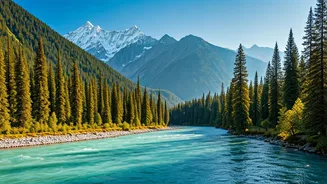
Mention a trip to India’s Himachal Pradesh, and most will picture Manali, the bustling hub for trekkers, honeymooners, and adventure seekers. But just 13 miles down the road, nestled on a wooded hillside overlooking the Beas River, lies Naggar. It’s a town
that exists in a different gear. Where Manali shouts, Naggar whispers. Once the capital of the Kullu kingdom for nearly 1,500 years, Naggar retains a regal dignity and a slower pace of life that has been largely erased from its more famous neighbor. For travelers seeking the grandeur of the Himalayas without the tourist-choked streets, Naggar serves as the perfect base camp—close enough for convenience, but far enough for peace.
Views That Command Stillness
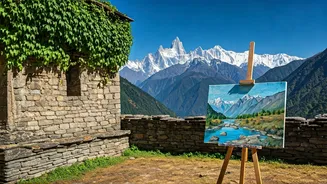
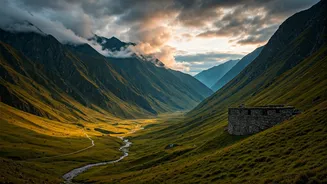
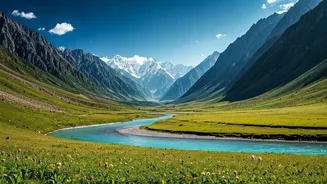
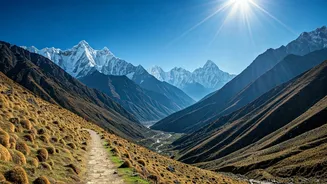
The headline doesn't lie. The primary draw of Naggar is its staggering panorama. From almost anywhere in the village, the view across the valley is dominated by the snow-dusted peaks of the Pir Panjal range, including Hanuman Tibba and Deo Tibba. Unlike the valley-floor views from other towns, Naggar’s elevated position at around 5,740 feet gives you a commanding, amphitheater-like perspective. In the morning, you can watch the sun illuminate the peaks in shades of pink and gold. By afternoon, clouds drift through the valley below you. It’s a view that encourages you to stop, put down your phone, and simply breathe. This isn't just a backdrop for a photo; it’s an immersive experience that redefines your sense of scale.
A Castle with a Story to Tell
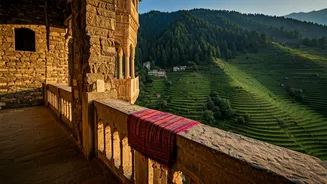
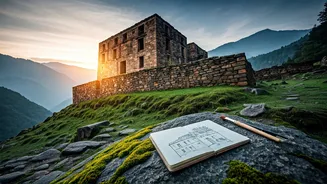
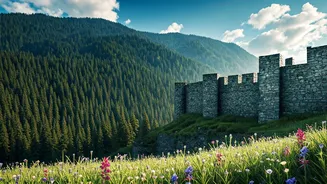
Dominating the town’s landscape is Naggar Castle, a magnificent structure built by Raja Sidh Singh in the 15th century. Constructed in the traditional Kath-Kuni style—an earthquake-resistant method using interlocking layers of timber beams and dressed stone without mortar—the castle is a living piece of history. Its wooden balconies, intricate carvings, and cobbled courtyards transport you to another era. Now a heritage hotel and tourist site, it offers the single best vantage point for those Himalayan views. Inside, a small museum and the Jagtipatt Temple add to the allure. Grabbing a cup of tea from the castle’s terrace restaurant while gazing at the same peaks that have watched over centuries of rulers and residents is a quintessential Naggar experience.
The Russian Artist's Mountain Muse
Naggar's cultural credentials are significantly boosted by the legacy of Nicholas Roerich. The renowned Russian artist, writer, and philosopher settled here with his family in 1929, captivated by the spiritual energy and sublime beauty of the Himalayas. His former home is now the Roerich Art Gallery, a must-visit destination. The gallery showcases hundreds of his ethereal paintings of the mountains, which he depicted with a unique, mystical luminescence. Walking through the quiet rooms, you can feel his deep connection to the landscape. The estate, surrounded by fragrant deodar pines, also includes the Urusvati Himalayan Folk Art Museum, founded by his son. This artistic pilgrimage site gives Naggar a layer of intellectual and spiritual depth rarely found in a mountain resort town.
The Gentle Art of Doing Nothing
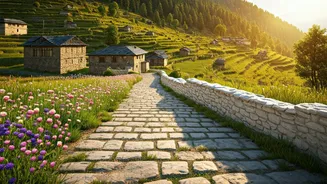
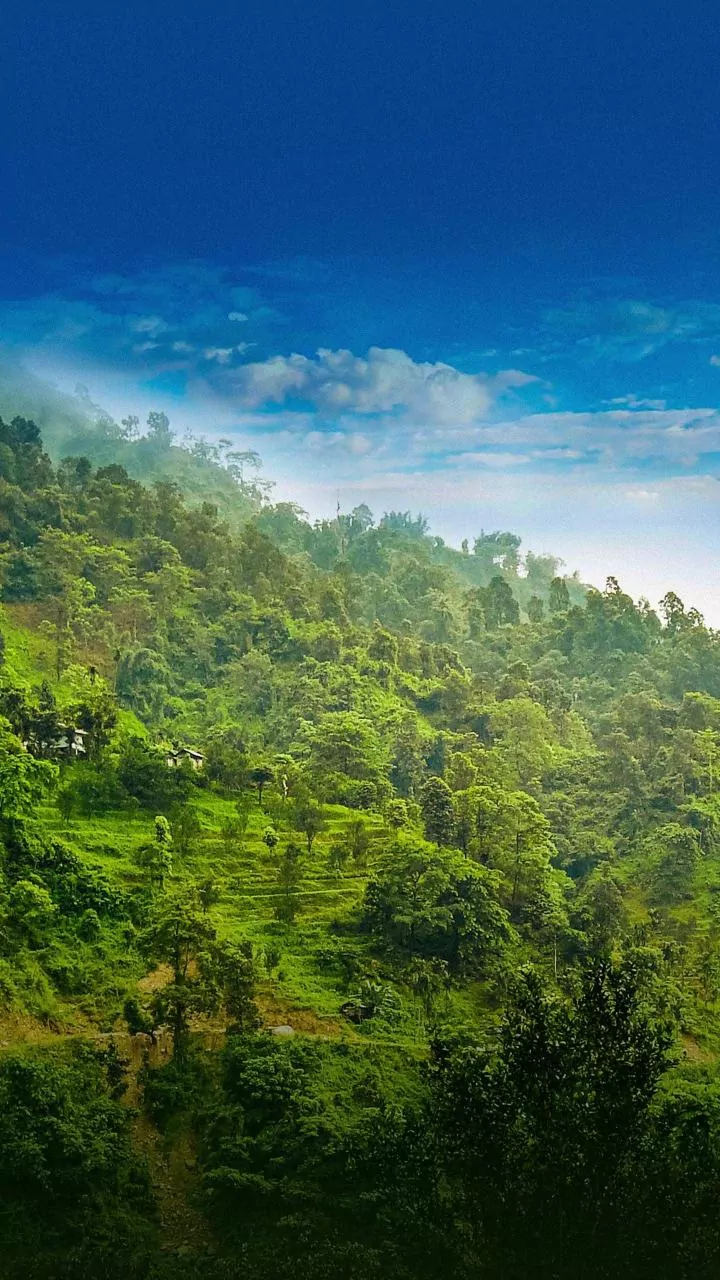
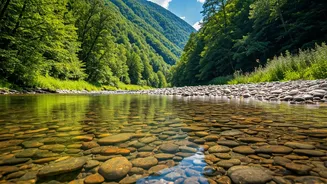
Ultimately, Naggar’s victory as a summer destination lies in its atmosphere of tranquility. This is a place where the agenda is delightfully empty. The best activities involve gentle strolls through apple orchards and tiny, terraced hamlets. You can hike up to the ancient Krishna Temple or wander down to the banks of the Beas River. You can spend an afternoon reading at a small cafe, watching villagers go about their day, and listening to the wind in the pines. It’s a town that rewards slowness and observation. In a travel landscape increasingly defined by bucket lists and frantic sightseeing, Naggar offers a radical alternative: the simple, profound luxury of peace and quiet.