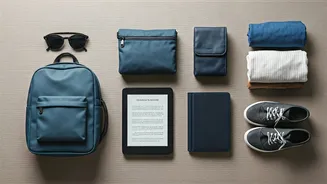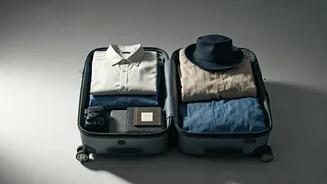








1. Adopt the One-Bag Mindset
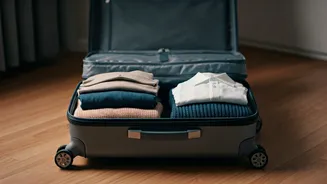
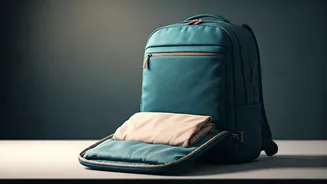
Before you pack a single item, the most important shift is mental. Ultra-light packing isn’t about deprivation; it’s about freedom. The goal is to fit everything you need into a single carry-on bag, allowing you to bypass check-in counters, breeze through
airports, and never worry about lost luggage. Instead of asking, “What if I need this?” ask, “Will I definitely use this more than once?” This philosophy challenges the “just-in-case” packing habit that leads to overstuffed, overweight suitcases. Think of your carry-on not as a limitation, but as the key to a more streamlined and less stressful travel experience.
2. Build a Capsule Wardrobe
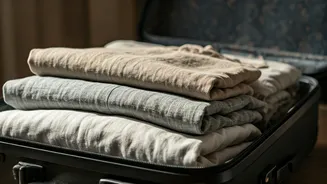
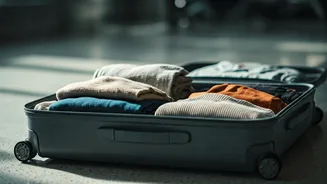
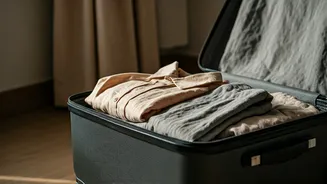
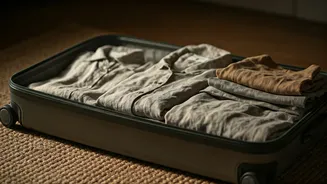
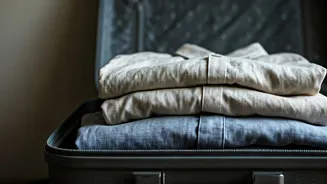
A capsule wardrobe is a small collection of essential items that all complement each other. For a one-week trip, this might look like two pairs of pants (one casual, one slightly dressier), four tops that can be mixed and matched, one sweater or cardigan, and one versatile jacket. The key is to stick to a neutral color palette (black, gray, navy, beige) for your main items and add pops of color with a scarf or accessory. Every top should work with every bottom. This simple strategy drastically reduces the number of garments you need, yet multiplies your outfit combinations without taking up precious space.
3. Choose Your Fabrics Wisely
The material of your clothing is everything. Leave the bulky cotton hoodies and stiff denim at home. Your best friend in the ultra-light world is merino wool. It’s lightweight, surprisingly warm for its weight, resists odor (meaning you can wear it multiple times without washing), and regulates temperature. Other great choices include synthetics like polyester and nylon, which are quick-drying and wrinkle-resistant. Investing in a few key pieces made from these performance fabrics—like merino T-shirts or technical travel pants—will pay for itself in saved baggage fees and convenience.
4. Master the Art of Layering
Instead of a single, massive coat, pack thin, efficient layers. A typical three-part layering system is far more versatile than one bulky jacket. Start with a base layer (like a merino or synthetic long-sleeve shirt), add a mid-layer for warmth (like a fleece or a packable down vest), and top it with a waterproof, windproof outer shell. This system adapts to a wide range of climates, from a cool morning to a rainy afternoon. Each piece is lightweight and takes up minimal room in your bag, but when combined, they offer serious protection from the elements.
5. Go Solid with Your Toiletries
The TSA’s 3.4-ounce liquid limit is a major hurdle for carry-on travelers. The solution? Eliminate liquids wherever possible. Solid toiletries have exploded in popularity and quality. You can now find shampoo bars, conditioner bars, solid perfume, and even toothpaste tablets that work just as well as their liquid counterparts. They save an incredible amount of space, weigh less, and completely remove the need to pull a plastic baggie out for security screening. For anything you can’t find in solid form, use refillable travel-size containers—never buy disposable travel-size products.
6. Make Your Gear Work Double Duty
Every item in your bag should be scrutinized for its utility. Can it serve more than one purpose? A sarong or a large scarf can be a beach towel, a privacy screen, a shoulder wrap on a cool evening, or an accessory. A smartphone loaded with books, music, and maps eliminates the need for separate devices. Packing cubes not only compress your clothes but also organize them, acting as makeshift drawers in your hotel room. The more functions a single item can perform, the more valuable it is in a one-bag setup.
7. Wear Your Heaviest Items on the Plane
This is the oldest trick in the book for a reason. If you need to bring hiking boots or a heavier jacket, wear them on travel day. It might feel a bit bulky as you board, but it keeps the heaviest and most awkward items out of your bag, freeing up critical space and weight. Your bulkiest shoes, your one pair of jeans, and your primary jacket should be part of your travel-day outfit. Once you're on the plane, you can always take the jacket off and use it as a pillow or blanket.