





Your Tires Are Your First Defense
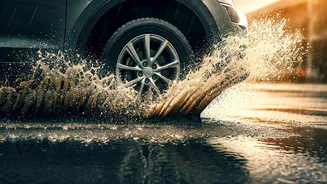
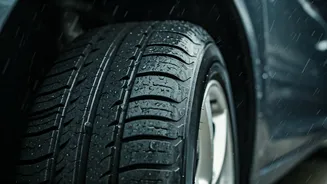
When a monsoon unloads inches of rain in minutes, the water on the road has nowhere to go. This creates the perfect condition for hydroplaning—when your tires lose contact with the road surface and skim on a thin layer of water, causing a total loss of control.
The single most important factor in preventing this is your tires. Worn-out tires with shallow tread depth cannot channel water away effectively. Check your tread by inserting a penny into the grooves upside down. If you can see all of Abraham Lincoln's head, your tires are dangerously worn and need immediate replacement. Also, ensure your tires are properly inflated. Underinflated tires can overheat and are less responsive, while overinflated tires have a smaller contact patch with the road, reducing grip.
Windshield Wipers Are Non-Negotiable
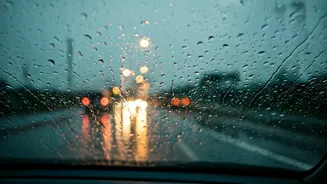
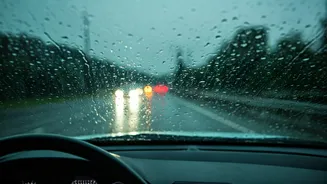
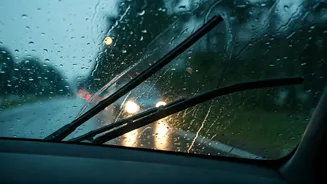
We’ve all been there: a light drizzle starts, you flick on your wipers, and they just smear the water around, making visibility worse. Now imagine that happening during a torrential downpour where visibility drops to near zero. The intense sun and dry heat of the pre-monsoon months are brutal on the rubber blades of your wipers, causing them to crack, harden, and become ineffective. Wipers are cheap and easy to replace. If your current set leaves streaks or makes chattering sounds, replace them before the first storm. Don’t forget to top off your windshield washer fluid, as road grime kicked up by the rain can quickly turn your windshield into an opaque mess.
Don't Forget Your Brakes
Your brakes work on a simple principle: friction. But when they are soaking wet, their effectiveness can be significantly reduced. This problem is made worse if your brake pads are already worn thin. If you’ve been hearing a squealing or grinding noise when you brake, that’s a clear signal your pads need to be inspected and likely replaced. During a monsoon, you need your brakes to be in peak condition. After driving through a deep puddle, you can help dry your brakes by lightly applying them for a few seconds while driving at a low speed. This can restore their stopping power faster.
A Weak Battery Can Strand You
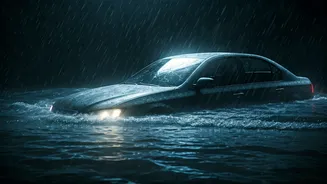
A car battery that seems fine during dry weather can fail unexpectedly under the strain of a monsoon. Your battery powers your wipers, headlights, defroster, and radio—all of which you’ll be using simultaneously during a storm. This heavy load can push a weakening battery over the edge. More critically, driving through even a few inches of standing water can splash onto the engine compartment, potentially shorting out electrical connections. If your battery is more than three years old or has shown signs of weakness (like slow starting), have it tested at an auto parts store or by a mechanic. A dead battery is an inconvenience on a sunny day; it’s a life-threatening emergency when you’re stalled in a flash flood.
Your Lights Let Others See You
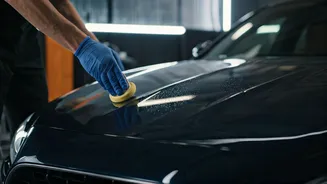
In a heavy downpour, your headlights aren’t just for helping you see—they’re for helping other drivers see you. Many states, including Arizona, have laws requiring headlights to be on when wipers are in use. Before the season starts, do a simple walk-around of your car. Check your headlights, taillights, brake lights, and turn signals. Have a friend help you confirm the brake lights work when you press the pedal. Over time, plastic headlight covers can become yellowed and hazy, dramatically reducing the amount of light that gets through. Headlight restoration kits are an inexpensive and effective way to restore clarity and ensure you are as visible as possible in low-light, rainy conditions.
Pack a Monsoon Emergency Kit
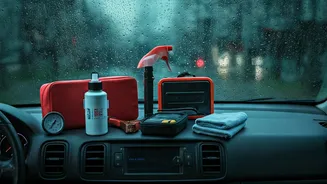
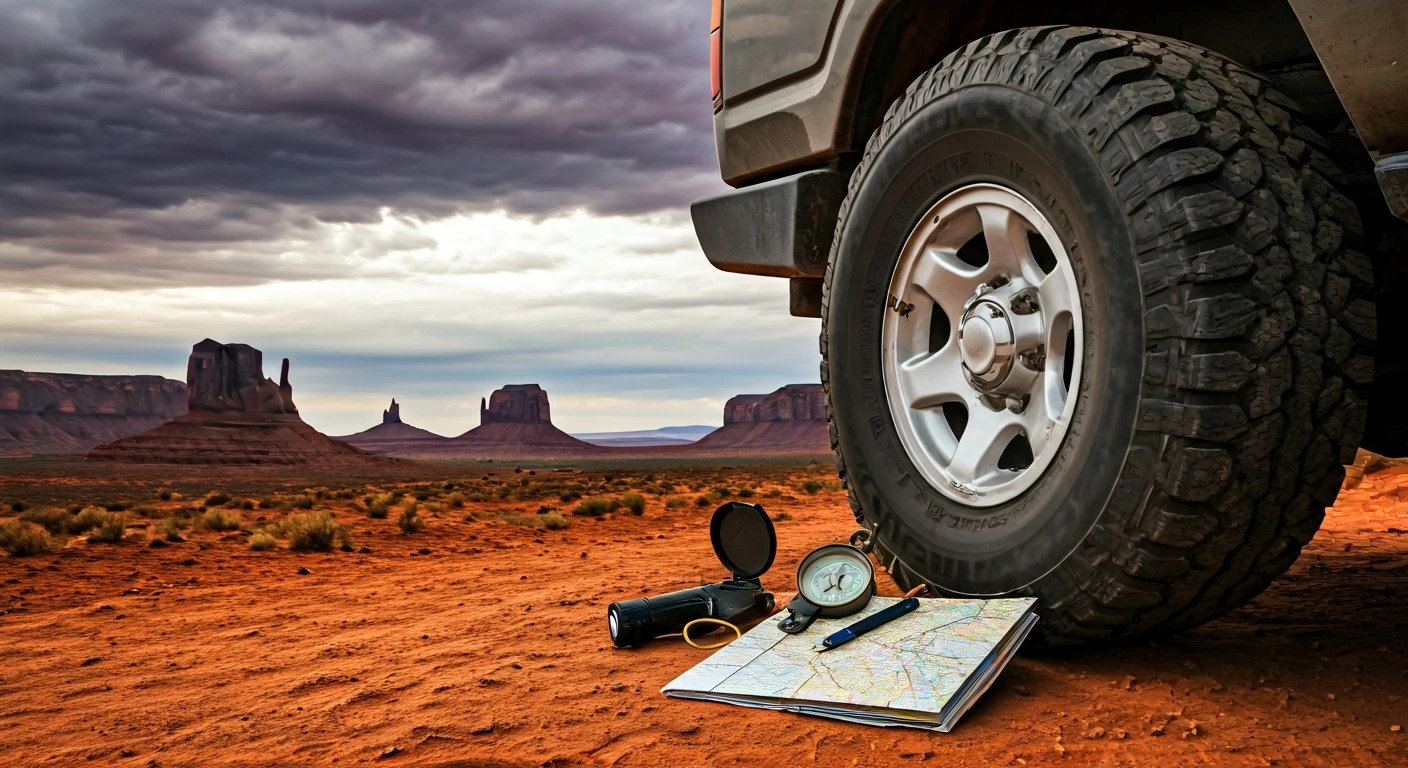
Even with a well-maintained vehicle, the unpredictable nature of monsoon storms means you could still get stranded. A flash flood can wash out a road, or traffic can come to a standstill for hours. Keeping a simple emergency kit in your car can make a huge difference. Include essentials like a flashlight with extra batteries, a first-aid kit, a phone charger or power bank, drinking water, and non-perishable snacks. A blanket and a pair of sturdy shoes are also wise additions. The goal is to be self-sufficient for a few hours if you have to wait for conditions to improve or for help to arrive.