





The Challenge of Monsoon Season
For those of us in most of the U.S., a rainy day is just a rainy day. But the monsoon in South Asia is a different beast entirely. It's a season, stretching for months, defined by torrential downpours, extreme humidity, and widespread moisture. While
it brings life-giving water, it also creates the perfect breeding ground for bacteria, viruses, and molds. The dampness gets into everything, and the risk of water contamination spikes, which has a direct impact on the food supply chain. Fresh produce can carry more pathogens, and the proliferation of insects and germs makes foodborne illnesses a much more immediate concern than during the dry, hot months.
The Problem with Raw Foods
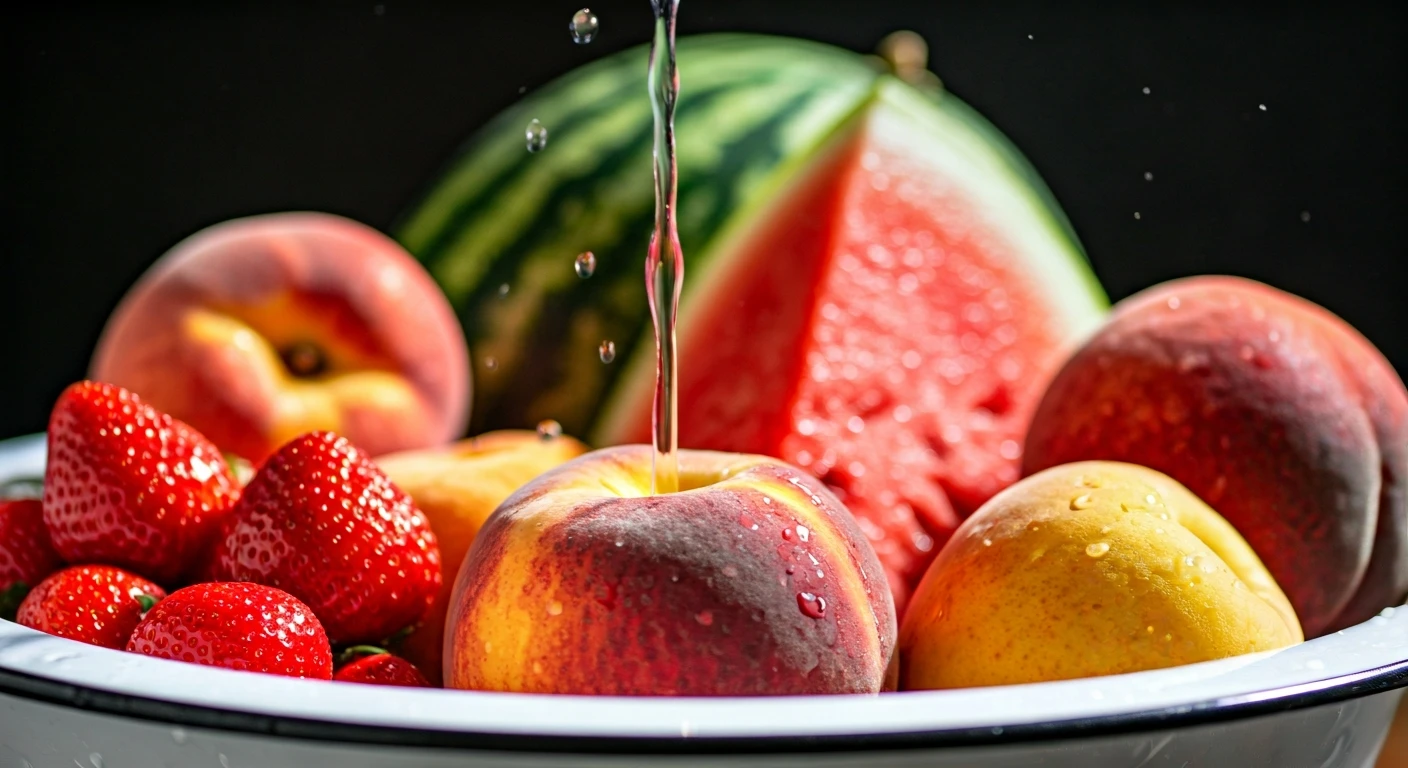
Think about your favorite salad or a plate of fresh-cut fruit. During the monsoon, these simple pleasures are viewed with caution. Leafy greens, which grow close to the soil, can be laden with dirt and microbes that thrive in the damp earth. Washing them, especially if the water quality itself is questionable, might not be enough to render them safe. Raw foods don't benefit from the cleansing power of heat. This is why many traditional food guides for the season advise against consuming uncooked vegetables, salads, and even certain fruits that can harbor moisture and microbes. It’s a practical, preventative measure to avoid an upset stomach or something worse.
Why Warmth Equals Safety
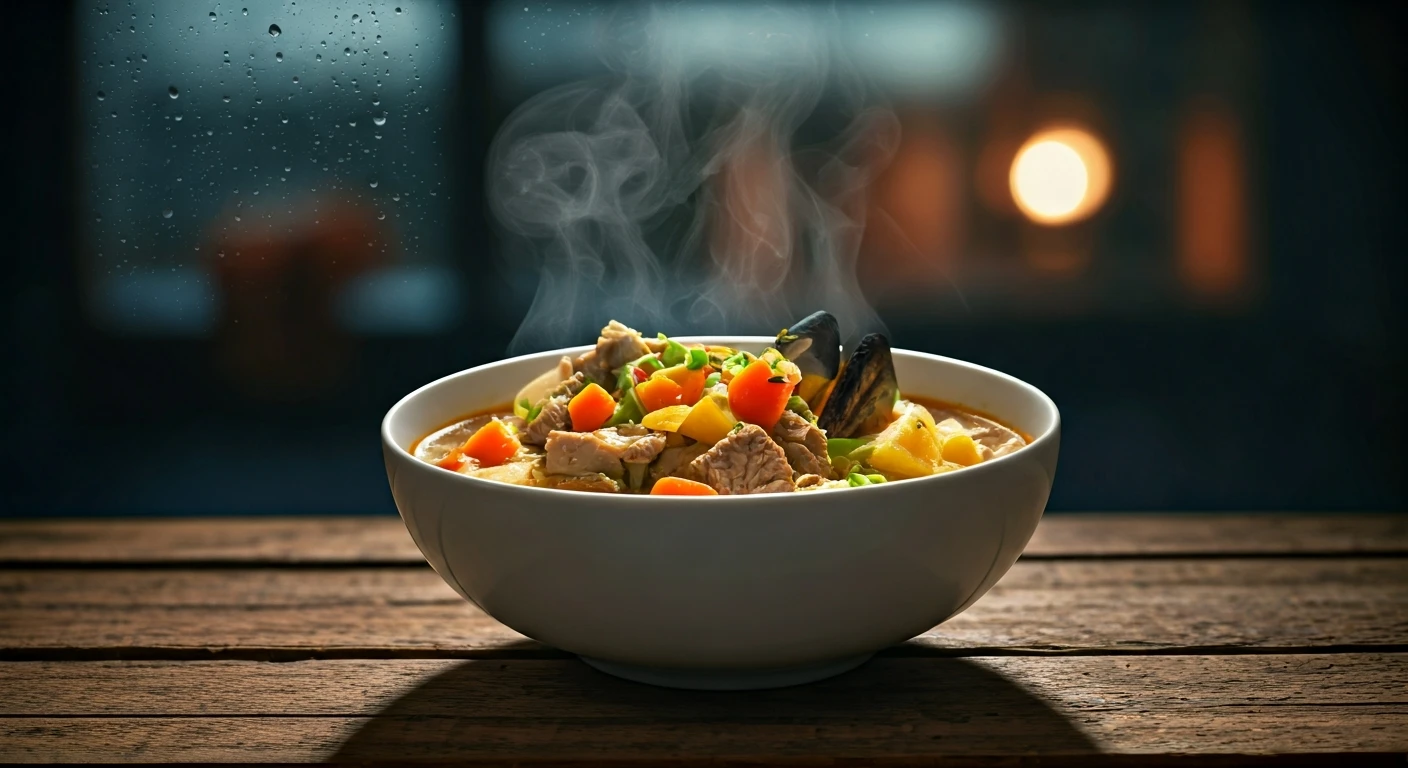
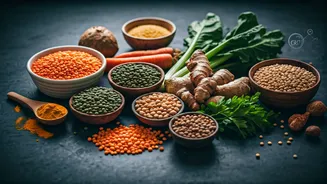
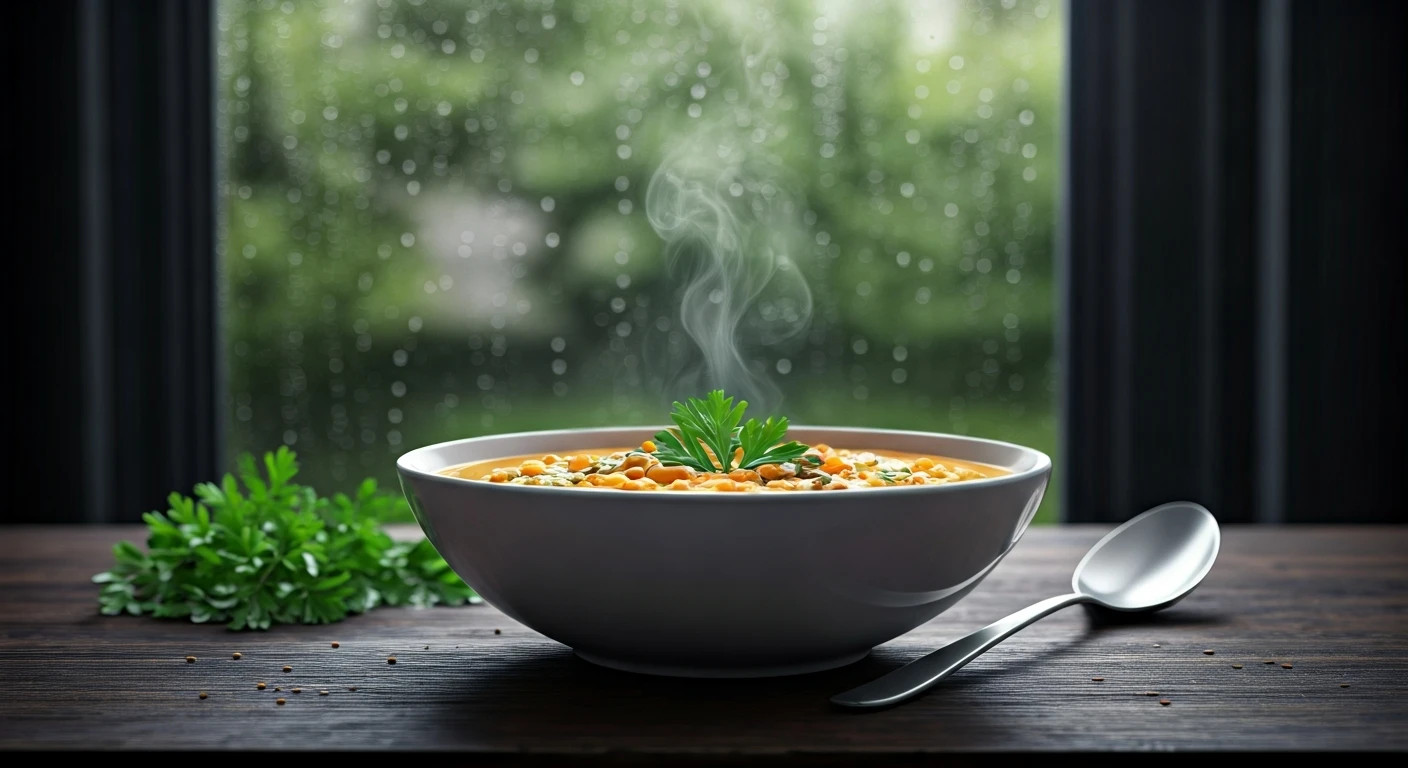
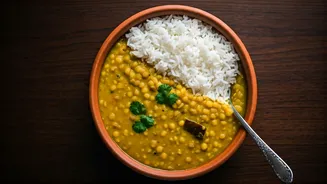
This is where the wisdom of a warm meal comes in. The simple act of cooking—boiling, steaming, frying, or roasting—is one of humanity's oldest and most effective food safety techniques. Heat kills most of the harmful bacteria and viruses that can make you sick. A bowl of hot soup, a plate of steamed lentils and rice, or a freshly cooked vegetable stir-fry isn't just comforting; it's pasteurized. The warmth is a clear signal that the food has been through a process that makes it safer to consume during a high-risk period. In this context, "warm" is synonymous with "cooked," and "cooked" is synonymous with "safe."
An Ayurvedic Perspective
This practical food science is layered with centuries of traditional wisdom, particularly from Ayurveda, the ancient Indian system of medicine. According to Ayurvedic principles, the monsoon season is a time when the body's "digestive fire" (*agni*) is naturally weaker. The damp, heavy atmosphere is believed to make our digestive systems more sluggish and vulnerable. As a result, the recommended diet shifts to foods that are light, easily digestible, and help stoke that internal fire. This means favoring warm, soupy, and spiced meals. Things like ginger and black pepper are often added not just for flavor but for their warming, digestive properties. Cold and raw foods, being harder to break down, are believed to further weaken digestion and should be avoided.
The Universal Comfort of a Hot Meal
Beyond the science and ancient traditions, there's a universal psychological truth at play. A gray, rainy day can feel gloomy and isolating. In this setting, a warm meal provides emotional comfort and a sense of well-being. It’s the same impulse that makes an American crave a bowl of chicken noodle soup when they’re sick or a hearty stew on a cold winter's night. The warmth feels nourishing and restorative. For millions who live through the relentless dampness of the monsoon, a hot, flavorful meal is a daily ritual of comfort, a small act of self-care that feels both physically and emotionally grounding.