


Beyond the Blue-Sky Myth
Let’s be honest: the relentless pursuit of perfect weather is exhausting. It leads to packed airports, inflated prices, and a frantic energy that’s the opposite of restorative. We’ve been conditioned to believe that a single gray cloud can ruin a trip,
forcing us into a narrow travel window that everyone else is also aiming for. The result? Over-tourism in the summer, empty resorts in the winter, and a missed opportunity to see the world in its many moods. The new travel “flex” isn’t about posting a flawless, sun-drenched selfie. It’s about demonstrating a deeper, more sophisticated appreciation for a destination. It’s about choosing to visit a place not when it’s most convenient or conventional, but when it’s most alive. And for many of the world's most beautiful landscapes, that moment happens during the rain.
The Magic of a Monsoon
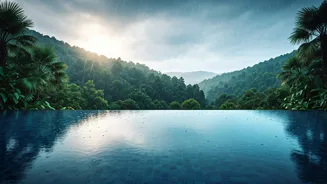
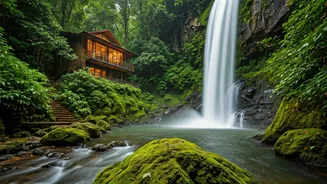
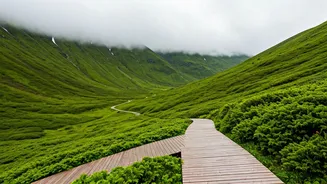
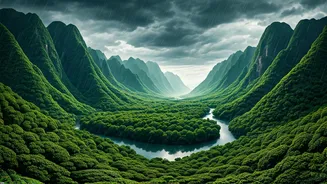
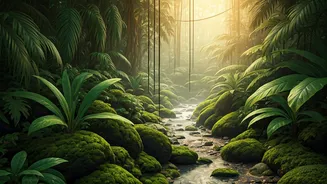
The word “monsoon” might conjure images of devastating floods, but for travelers, it refers to the seasonal rains that transform arid, dusty landscapes into staggeringly vibrant tapestries of green. This isn't about enduring a miserable downpour; it’s about experiencing a world washed clean. The dust settles, the air smells of petrichor (that incredible earthy scent after rain), and colors become deeply saturated. Browns and yellows give way to a hundred shades of emerald, jade, and lime. Imagine hiking through a forest where every leaf glistens, waterfalls cascade with full force instead of trickling, and the soundtrack is the gentle patter of rain on foliage. This is a multi-sensory experience that a sun-bleached landscape simply can’t offer. It’s moody, atmospheric, and profoundly beautiful. You’re not just looking at nature; you’re feeling it.
The Savvy Traveler’s Reward
Beyond the sheer aesthetic pleasure, traveling during the green season comes with a host of practical benefits. The biggest, of course, is the lack of crowds. The same trails and viewpoints that are clogged with tourists during peak season are often quiet and contemplative. You get the space to actually connect with your surroundings. Then there’s the cost. Flights and accommodations are frequently cheaper during the so-called “off-season.” This isn't just about saving money; it’s about traveling smarter. Your budget goes further, allowing for longer stays, upgraded rooms, or more unique experiences. It’s a flex of intelligence, not just of Instagrammable scenery. You’re signaling that you’re in on a secret that the mainstream travel world has yet to fully embrace.
Where the Green Is Greener
While the classic monsoon destinations are in South and Southeast Asia—think the tea plantations of Kerala, India, or the lush jungles of northern Thailand—you don’t have to fly across the world to chase the green. Costa Rica’s “green season” (from May to November) is legendary, offering fewer tourists and thriving rainforests. Closer to home, the Pacific Northwest is a perfect example. Washington and Oregon are famously gray, but that persistent drizzle is what fuels their iconic, moss-draped temperate rainforests. A trip to the Hoh Rain Forest in Olympic National Park during a damp spring or fall day is an otherworldly experience. Similarly, the Appalachian Mountains in summer, especially after a thunderstorm, come alive with a misty, ancient beauty that feels a world away from the crowded national parks out west.
How to Embrace the Rain
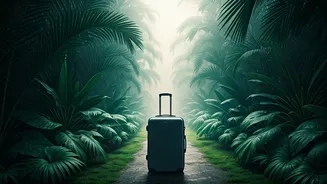
Success in monsoon travel is all about mindset and preparation. Ditch the expectation of 24/7 outdoor activity. Instead, build a flexible itinerary that balances adventure with cozy comforts. Plan for a morning hike, but have a backup plan to spend the afternoon reading in a charming café or visiting a local museum if a heavy storm rolls in. Packing is key. Invest in a good waterproof jacket (not just water-resistant), proper footwear, and quick-dry clothing. A waterproof bag for your electronics is non-negotiable. With the right gear, rain is just another element of the adventure, not an obstacle to it. The goal is to lean in and enjoy the atmosphere that only a rainy day can provide.