


Borrowing from History's Grandest Blueprints
The power of the arch lies in its deep-rooted history. When you see one, you're subconsciously referencing millennia of architectural greatness. The Romans perfected it for their aqueducts and coliseums, symbols of enduring power. Gothic builders pointed
it toward the heavens in their cathedrals, creating spaces that inspired awe. Renaissance palaces used rounded arches to signify wealth, order, and classical sophistication. This is the "royal heritage" the headline hints at—not necessarily a direct link to a specific king's castle, but an inherited sense of grandeur, permanence, and cultural weight. Introducing an arch into a modern home is a way to borrow a piece of that history. It tells a story of stability and grace, providing a weighty counterpoint to the fast-paced, disposable nature of modern trends.
Softening the Edges of Modern Life
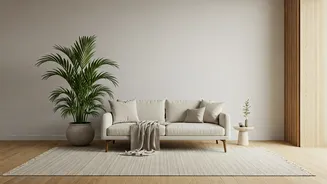
Contemporary design often champions minimalism, which can sometimes translate into stark, boxy interiors. While beautiful, these spaces can lack a certain softness or organic flow. An arch is the perfect antidote. Its gentle curve breaks up the monotony of straight lines and right angles, introducing a natural, humanizing element. The curve is inherently more welcoming than a sharp corner. Psychologically, it guides the eye and the body through a space more gently. This is why arched doorways feel so fluid; they don't just open a path, they invite you through it. This simple geometric shift can change the entire mood of a home, making it feel more serene, comfortable, and thoughtfully designed.
Creating a Frame for Everyday Moments
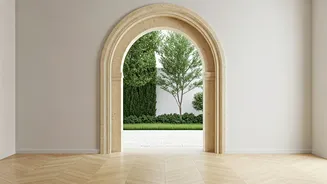
A standard rectangular doorway is purely functional; an arched doorway is a statement. It acts as a natural frame, turning the view of the next room into a deliberate composition. Whether it’s framing a dining room, a cozy reading nook, or a window with a view, the arch elevates the scene. This effect forces you to pause and appreciate the space. It’s a trick used by the great architects for centuries—controlling the gaze to create drama and beauty. In a modern open-plan home, a series of arches can define different “zones” without closing them off, maintaining an airy feel while providing elegant visual separation. Each arch becomes a proscenium for the small moments of daily life, making them feel just a little more special.
The Illusion of Height and Light
Arches are also masters of illusion. The upward curve of an arch draws the eye vertically, creating the impression of a higher ceiling and a more voluminous space. A flat-topped doorway abruptly stops the eye, but an arch continues the upward journey, making even rooms with standard-height ceilings feel more expansive and less compressed. This vertical lift also affects how light moves through a home. An arched opening can capture and scatter light more dynamically than a rectangular one, softening shadows and enhancing the sense of openness. It can make a dark hallway feel brighter and a transition between a sunlit room and a dimmer one feel more gradual and graceful.
How to Bring the Arch Home
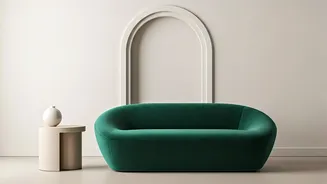
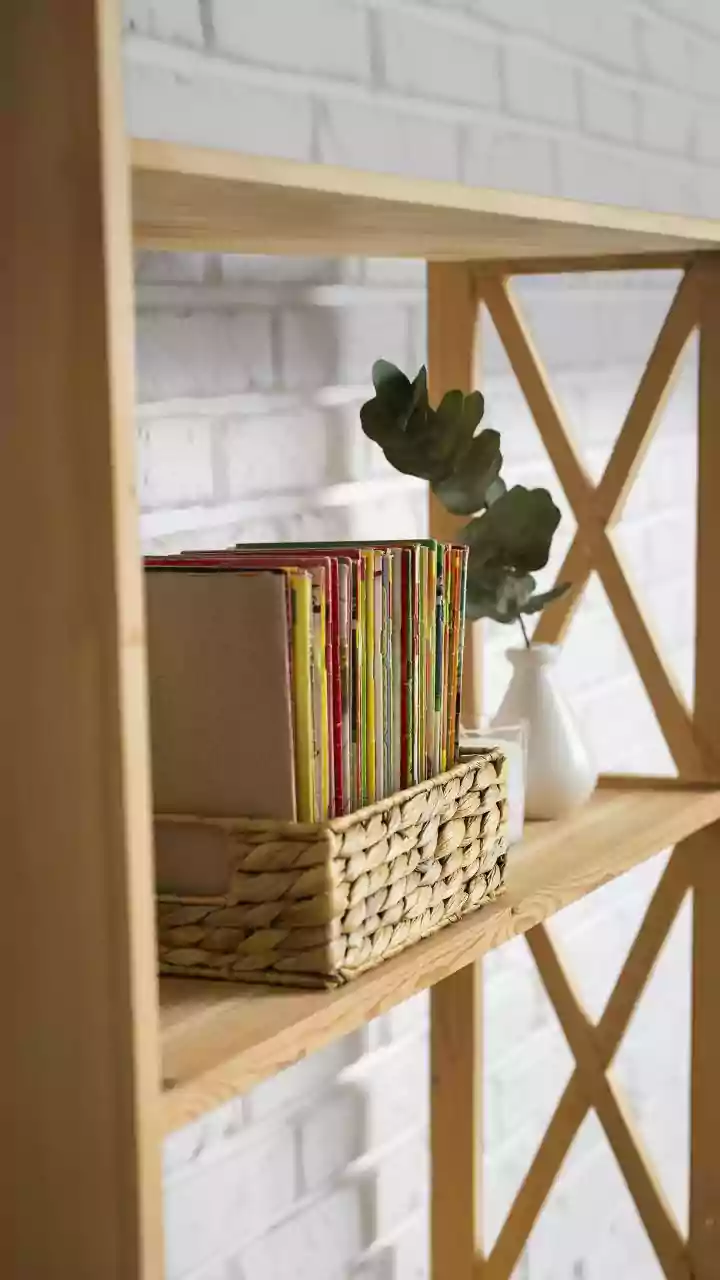
Incorporating this trend doesn't necessarily require a full-scale renovation. While creating a series of structural arched doorways is the most impactful approach, there are subtler ways to play with the shape. Consider an arched niche built into a wall to display art or books—it adds depth and a focal point. Arched windows or even a large, arched floor mirror can introduce the shape's elegant curve with less commitment. For a purely decorative touch, some designers use paint to create the illusion of an arch, a high-impact, low-cost trick that adds architectural interest to a plain wall. The key is to let the arch feel integrated, whether it’s a grand passageway or a small, stylish detail.