





The Magic of Monsoon Season
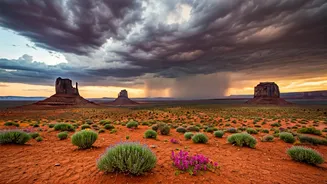
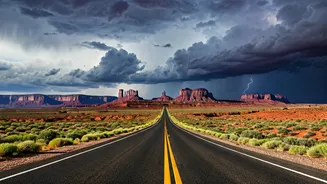
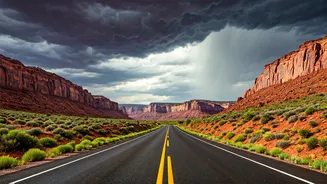
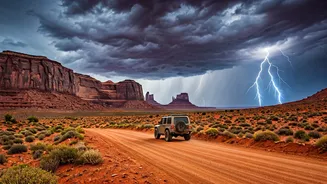
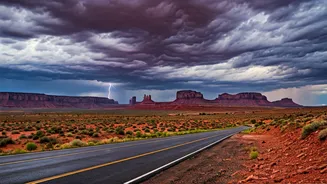
From late June through September, the North American Monsoon delivers much-needed moisture to the arid landscapes of Arizona, New Mexico, Utah, and Colorado. This weather pattern doesn't just bring relief from the heat; it triggers one of nature's most
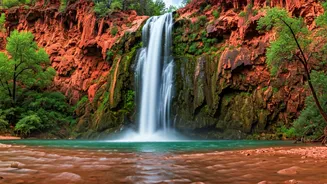
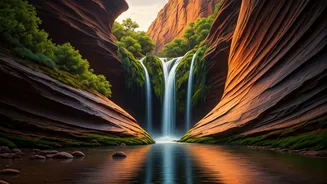
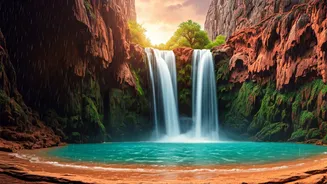
stunning pop-up shows. Dry canyons suddenly roar with life, and sheer rock faces that stood barren for months begin to weep, sending temporary waterfalls cascading hundreds of feet to the floor below. Catching this spectacle is a matter of timing, patience, and a little bit of luck. It’s a reminder that in the desert, water is an event, and these ephemeral falls are the main attraction.
Grand Canyon's Ephemeral Cascades
There are few sights more humbling than the Grand Canyon, but seeing it during a monsoon storm is a next-level experience. As storm cells move across the vast expanse, they can dump inches of rain in minutes. This water funnels into ancient drainages, creating dozens of impromptu waterfalls that plunge over the canyon's iconic cliffs. From viewpoints along the South Rim, like Mather Point or Hopi Point, you can watch these silver ribbons appear against the red rock, often accompanied by dramatic rainbows as the sun breaks through the clouds. The best part? You don't need a grueling hike; you just need to be there when a storm passes. Check the forecast, find a safe spot on the rim, and wait for the show to begin.
Zion's Weeping Walls
Zion National Park is famous for its towering sandstone cliffs, and the monsoon season makes them sing. While a downpour can create flash flood risks in narrow canyons like The Narrows (always check conditions with park rangers), it also supercharges the park’s water features. The famous “weeping rock” formations, where water seeps through the porous sandstone, become gushing outlets. After a significant storm, new waterfalls can appear along the Zion-Mount Carmel Highway and throughout the main canyon. A drive through the park or a walk along the Pa'rus Trail after a rainstorm can reveal these temporary wonders, transforming the already beautiful scenery into a lush, dynamic waterscape.
Tucson's Seven Falls
Located in Sabino Canyon just outside Tucson, Arizona, Seven Falls is a classic desert oasis that truly comes alive with monsoon rains. For much of the year, the falls can be a mere trickle. But after a healthy storm, the stream swells, and water crashes through a series of seven distinct granite drops into deep, clear pools. Reaching the falls requires a moderate hike of about four miles each way (or a ride on the canyon's shuttle, which reduces the walk). The journey through a forest of saguaro cacti makes the payoff even sweeter. Seeing the powerful flow of Seven Falls surrounded by the Sonoran Desert is a quintessential monsoon experience.
A Note on Safety
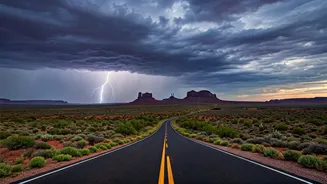
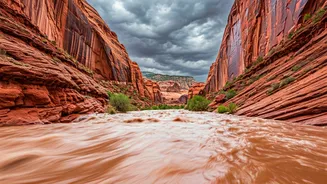
The same storms that create these beautiful waterfalls also create serious hazards. Flash floods are the number one weather-related killer in the United States, and desert canyons are especially dangerous. Water can rise feet in mere seconds, even if it isn't raining where you are. Never enter a narrow canyon or a dry wash (an arroyo) if storms are in the forecast. Heed all warnings from park rangers and local authorities. The best views are always the ones you can enjoy safely, from a high-and-dry vantage point. Always have a plan, check the weather obsessively, and respect the immense power of a desert storm.