



What Makes Peels 'Garden Gold'?
Before you start, it helps to know why banana peels are so valuable. They aren't a perfectly balanced fertilizer, but they are exceptionally rich in key nutrients that plants crave. The star of the show is potassium, which is vital for overall plant vigor,
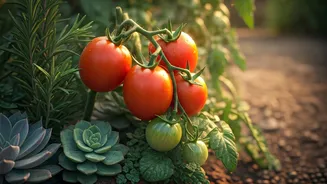
promoting strong stems, disease resistance, and the development of flowers and fruit. Think of it as the nutrient that helps your plants stand tall and produce beautiful blooms. Peels also contain smaller but still significant amounts of calcium, which helps with cell wall structure and prevents issues like blossom-end rot in tomatoes, along with magnesium and phosphorus, which aid in photosynthesis and energy transfer. By using the peels, you're delivering a targeted dose of these essential minerals right where your plants need them.
Method 1: Brew a 'Banana Peel Tea'
This is the fastest way to get those nutrients to your plants. A liquid fertilizer, or “tea,” makes the potassium immediately available for roots to absorb. It's particularly great for flowering plants like roses, peppers, and tomatoes that need a quick boost. To make it, simply fill a large jar with water and add a few fresh banana peels. Let the jar sit for two to three days, allowing the nutrients to leach into the water. You’ll notice the water darken slightly. After a few days, remove the peels (toss them in your compost) and dilute the resulting “tea” with fresh water at a 1:4 ratio (one part tea to four parts water). Use this mixture to water your plants around their base once every couple of weeks during the growing season. It’s a gentle, effective way to give them an instant pick-me-up.
Method 2: The 'Chop and Drop'
For a slower, more sustained release of nutrients, the “chop and drop” method is incredibly simple. All you have to do is chop fresh banana peels into small, one-inch pieces. The smaller the pieces, the faster they will decompose and release their nutrients into the soil. Once chopped, you can incorporate them in two ways. First, you can gently work the pieces into the top inch or two of soil around the base of your established plants. This acts as a slow-release fertilizer. Alternatively, scatter the chopped peels on top of the soil as a mulch. This not only nourishes the soil as it breaks down but also helps retain moisture and suppress weeds. A word of caution: whole peels left on the surface can attract pests like fruit flies or even rodents, which is why chopping them into small bits is the superior technique.
Method 3: Bury the Treasure Directly
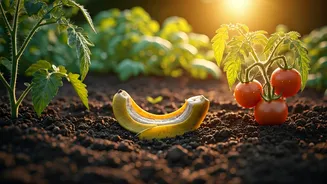
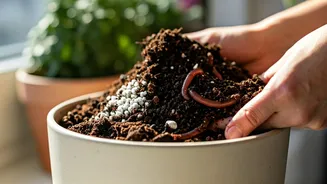
If you want to enrich your soil before planting or give a big boost to a heavy feeder, burying peels whole or chopped is a fantastic option. When preparing a new garden bed or planting a new seedling, dig a hole a few inches deeper than you normally would and place a banana peel at the bottom. Cover it with a layer of soil and then plant as usual. As the peel decomposes, it will release potassium and other nutrients directly into the root zone, encouraging strong root development from the start. This is especially effective for roses, which are known to love potassium. For existing plants, you can dig a small trench a few inches away from the plant's base, drop in some peels, and cover it back up. This feeds the soil and the earthworms, which will help incorporate the organic matter even further.
A Few Quick Pro-Tips
To get the most out of your banana peels, keep a few things in mind. First, if possible, use peels from organic bananas to avoid introducing any unwanted pesticides into your soil. Second, while banana peels are great, they are not a complete fertilizer because they lack significant nitrogen. Continue to use a balanced fertilizer or compost to ensure your plants get everything they need. Finally, you can dry or freeze peels to use later. Dried peels can be ground into a powder and sprinkled into the soil, while frozen peels can be saved up until you have enough to make a large batch of banana tea. This way, you'll never have to let a single peel go to waste.