



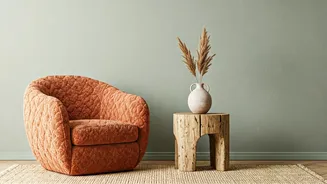
Beyond the Brand Name
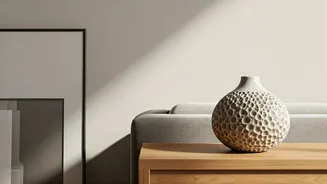
Step away from the glossy catalogs and showroom floors. The new frontier of personal luxury isn’t found in a mass-produced sofa with a European label or a perfectly symmetrical, factory-made light fixture. Instead, it’s in the subtle imperfections of a hand-thrown
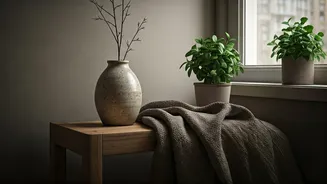
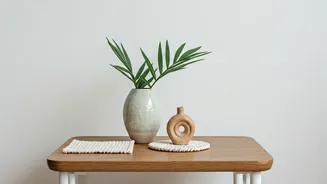
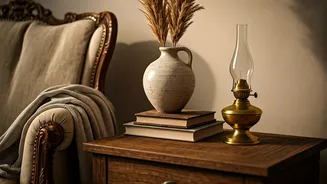
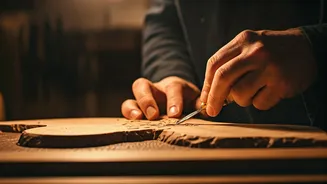
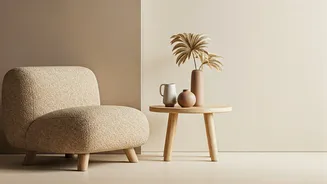
ceramic vase, the unique grain of a custom-built dining table from a local woodworker, or the soft, uneven texture of a hand-loomed rug. This is the essence of the craft-led home. Unlike traditional luxury, which often prioritizes recognizable status symbols, this approach celebrates the story behind an object. It’s a shift from consumption to curation. The question is no longer, “Which designer brand is this?” but rather, “Who made this? What’s its story?” Each piece is chosen not just for its function or beauty, but for its connection to a human maker, a specific place, and a tangible process. This movement elevates the home from a showroom of wealth to a gallery of personal values.
The Search for Soul in Our Spaces
So, why the change? This trend is a direct reaction to a world of digital saturation and sterile, mass-produced goods. After years of scrolling through identical-looking influencer homes and being targeted with algorithm-driven ads for the same handful of trendy items, a fatigue has set in. We’re craving authenticity, warmth, and a sense of grounding—qualities that factory production lines are designed to eliminate. The pandemic accelerated this shift. As our homes became our sanctuaries, offices, and entire worlds, we began to examine our surroundings more critically. We wanted spaces that felt not just stylish, but deeply personal and comforting. The Japanese concept of 'wabi-sabi'—finding beauty in imperfection and transience—has gone mainstream. That slightly irregular ceramic bowl or the reclaimed wood beam with visible history isn't a flaw; it's the entire point. It has a soul that a flawless, mass-market object simply can’t replicate.
From Maker to Living Room
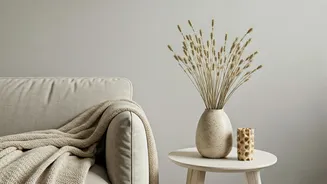
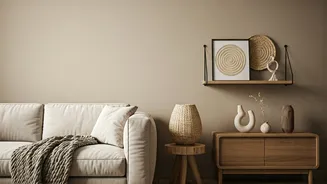
Bringing this ethos home is less about a total renovation and more about intentional additions. It might start with commissioning a piece of furniture from a craftsman discovered at a local market or on Instagram. Instead of buying a generic print, homeowners are seeking out original paintings or limited-edition screen prints from emerging artists. Kitchens are being transformed with handmade zellige tiles, where no two pieces are exactly alike, creating a surface that shimmers with subtle variation. Lighting is another key area. A sculptural, hand-blown glass pendant light becomes the functional centerpiece of a room, telling a different story than a dozen identical recessed lights. Even textiles are part of the movement, with a turn toward hand-dyed linens, block-printed pillows, and chunky-knit throws made by individual artisans. These objects bring a layer of texture and narrative that makes a space feel collected and lived-in, rather than staged.
An Investment in Story, Not Status
Ultimately, the rise of the craft-led home redefines what it means to invest in your space. This form of luxury is quieter, more confident, and less concerned with outside approval. It’s an investment in a story, in the preservation of a skill, and in the creation of a future heirloom. That custom-made bookshelf isn’t just holding books; it's holding the story of its creation and will be passed down for generations. The value isn’t in its potential resale price but in its personal resonance. It marks a departure from the disposable nature of 'fast interiors' and a return to buying fewer, better things. This isn’t about being anti-technology or anti-modernity. It’s about finding a balance—using technology to discover makers and commissioning pieces that bring a human touch back into our increasingly digital lives. It’s luxury that feels good on a deeper level, enriching your home with meaning, one thoughtful object at a time.