






Walk Across Living Root Bridges
In the misty, rain-soaked hills of Meghalaya—a state whose name translates to “the abode of clouds”—the Indigenous Khasi and Jaintia peoples have mastered a unique form of natural engineering. For centuries, they have guided the aerial roots of rubber
fig trees across rivers and ravines, weaving them together until they form sturdy, living bridges. These arboreal wonders, some over a hundred years old, are a testament to a harmonious relationship between humanity and nature. Trekking through lush jungles to find the famous double-decker bridge in Nongriat or the single-span bridge near Mawlynnong isn't just a hike; it’s a journey into a fairy tale, a surreal experience that feels worlds away from any modern metropolis.
Spot Rhinos in the Wild
While much of India is known for its tigers, Assam’s Kaziranga National Park offers a different kind of thrill. This UNESCO World Heritage site is the global stronghold for the greater one-horned rhinoceros. An open-jeep safari through the park's grasslands, wetlands, and forests is an unforgettable experience. The sight of these prehistoric-looking giants grazing peacefully, often with their calves, is a powerful reminder of successful conservation efforts. Beyond rhinos, Kaziranga is a biodiversity hotspot, home to elephants, wild water buffalo, swamp deer, and a significant tiger population, making it one of Asia's premier wildlife destinations.
Explore Himalayan Monasteries
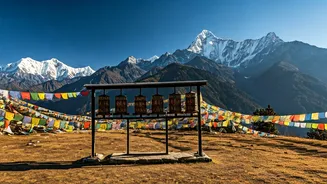
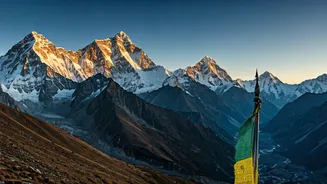
Formerly a separate kingdom, Sikkim is a sliver of Himalayan paradise tucked between Nepal, Bhutan, and Tibet. Its landscape is dominated by snow-capped peaks, including the majestic Kangchenjunga, the world's third-highest mountain. Dotted across its hillsides are serene and colorful Buddhist monasteries, like Rumtek and Pemayangtse. The atmosphere here is one of quiet contemplation, starkly different from the frenetic energy of much of the subcontinent. Fluttering prayer flags, the low hum of chanting monks, and jaw-dropping mountain vistas create a sense of profound peace and spirituality. For those who associate India with heat and crowds, Sikkim is a breath of fresh, cool mountain air.
Witness Incredible Tribal Festivals
Northeast India is home to hundreds of distinct Indigenous tribes, each with its own language, dress, and traditions. The best window into this cultural mosaic is through its festivals. Nagaland's Hornbill Festival, held every December, is the most famous, bringing together over a dozen tribes for a spectacular showcase of music, dance, sport, and food. It’s a riot of color, sound, and energy. In Arunachal Pradesh, the Ziro Music Festival has become an indie darling, blending local and international acts against a backdrop of stunning rice paddies. Attending one of these gatherings is not about observing from a distance; it’s an immersive cultural experience that is both exhilarating and deeply humbling.
Discover a Whole New Cuisine
If you think you know Indian food, think again. The cuisine of the Northeast is a world unto itself, shaped by its climate, terrain, and unique cultural influences. Forget heavy cream sauces and naan bread. Here, the flavors are bold, earthy, and often built around fermented products, smoked meats (especially pork), and an incredible variety of herbs and vegetables you’ve likely never heard of. From Nagaland's fiery ghost pepper chutneys and smoked pork with bamboo shoots to Manipur's subtle Eromba (a mashed vegetable and fish dish) and Assam's tangy Masor Tenga (sour fish curry), the region offers a culinary adventure that will challenge and delight your palate.