

The ‘New Maldives’ on Everyone’s Radar
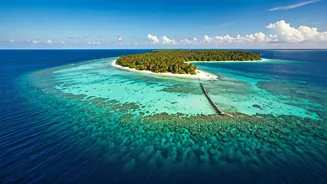
First, a quick geography lesson. Lakshadweep is a chain of 36 coral atolls and islands in the Laccadive Sea, about 250 miles off the southwestern coast of India. For decades, it was a pristine but sleepy destination, known mostly to dedicated divers and those
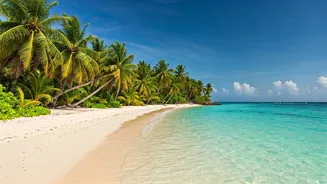
seeking genuine seclusion. That all changed recently. Following a diplomatic spat that led many Indians to boycott the Maldives, a wave of domestic tourism promotion pushed Lakshadweep into the national—and international—spotlight. Promoted as a patriotic alternative and a slice of unspoiled heaven, the islands saw an explosion of interest. For American travelers, it emerged as a new, intriguing dot on the map of exotic getaways, far from the well-trodden paths of Southeast Asia.
Enter the Southwest Monsoon
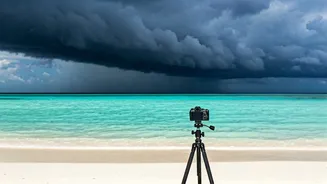
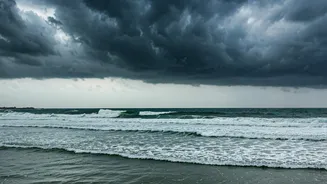
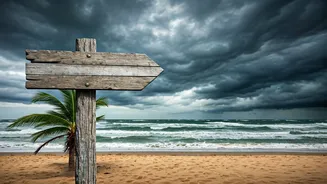
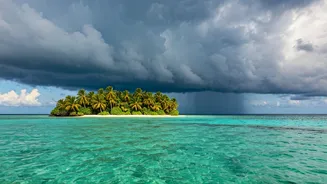
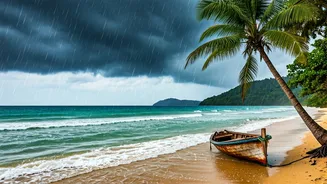
Here's the catch: paradise has a rainy season. A very, very rainy season. From roughly June through September, the southwest monsoon system barrels into this part of the Indian Ocean. This isn't your average afternoon shower. We're talking days of torrential downpours, powerful winds, and, most critically for an island chain, relentlessly rough and choppy seas. The monsoon is a life-giving force for the region's climate, but for the tourism industry, it's a giant pause button. The very elements that make Lakshadweep beautiful—the sea and the sky—become formidable obstacles.
How the Monsoon Grounds Travel
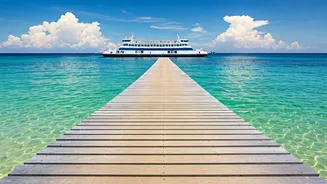
Getting to and around Lakshadweep depends entirely on two things: small aircraft and ships. The main airport on Agatti Island is the primary gateway, but the real logistical challenge is inter-island travel, which relies almost exclusively on government-run ferries and private boats. When the monsoon hits, high waves and strong winds make these sea crossings dangerous and often impossible. Ferry schedules become, at best, hypothetical. Cancellations are the norm, not the exception. This means you could successfully fly to the main island only to find yourself unable to reach the specific resort or idyllic islet you booked. In a worst-case scenario, you could get stranded on one island, unable to get back to the airport to catch your flight home.
Your Itinerary Under Water (Literally)
Even if you manage the logistical hurdles, the monsoon season can wash out the very reason you came. The main draws of Lakshadweep are its spectacular coral reefs, perfect for snorkeling and diving. But heavy rains create runoff, churning up the lagoons and drastically reducing water visibility. The vibrant underwater world becomes a murky, unwelcoming place. Strong currents make swimming and diving unsafe. Many water sports operators shut down entirely. On land, the constant downpour means your dreams of sunbathing on a secluded beach are more likely to be replaced by huddling indoors, watching the rain lash against your window. Many smaller guesthouses and even some resorts choose to close for maintenance during these months, knowing the tourist flow will dry up.
Planning a Trip That Actually Works
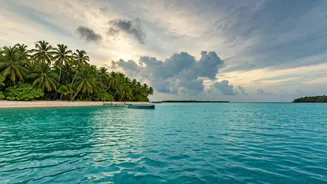
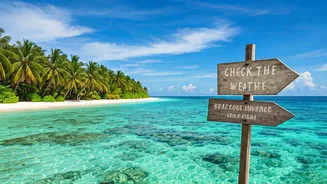
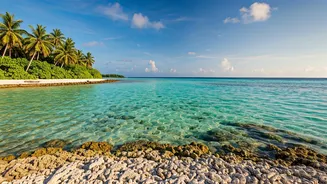
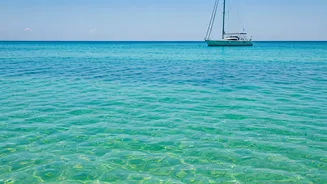
So, is Lakshadweep a no-go? Not at all. It’s simply a destination that demands respect for its natural rhythms. The ideal window to visit is from October to mid-May, after the monsoon has passed and before the next one arrives. During these months, the seas are calm, the skies are clear, and the islands live up to their postcard-perfect reputation. It’s crucial to book everything well in advance—flights, accommodation, and any necessary permits (foreign nationals require a special permit, which must be arranged through an authorized tour operator). Due to limited infrastructure, spots fill up fast, even in the high season. Think of it less like a spontaneous trip to Cancun and more like a carefully planned expedition to a remote national park.