

From Plain Potato to Pani Puri
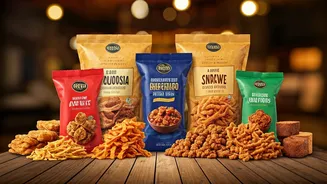
For years, the snack aisle in India looked familiar to any American. International giants like PepsiCo, with its Lay's brand, dominated by offering classic, if slightly tweaked, flavors like 'Magic Masala.' The formula was simple: a universally loved
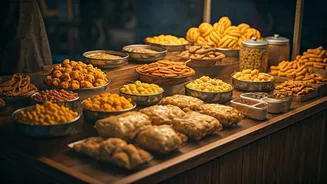
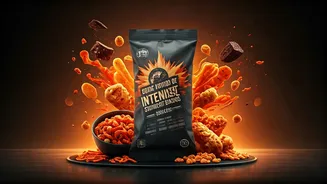
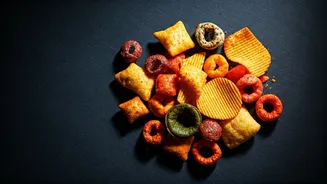
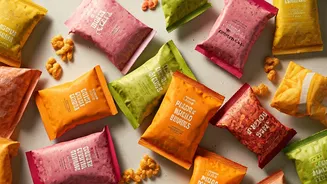
base (the potato chip) with a sprinkle of local spice. It worked wonders, creating a massive market for branded, packaged snacks. But the game has changed. Consumers, particularly a younger, more urban generation with disposable income, are no longer content with a simple flavor profile. They want the real deal. They want the tangy, spicy, sweet, and savory explosion of *chaat*. They want the drama of street food. This shift has ignited a flavor arms race. Suddenly, Lay's isn't just selling potato chips; it's selling 'dahi vada' and 'golgappa' (pani puri) flavored crisps, attempting to replicate snacks that traditionally involve yogurt, tamarind chutney, and hollow fried dough balls filled with spiced water.
The Billion-Dollar Bet on Nostalgia
So, why the sudden change? It’s a story of modern India. As millions move from towns and villages to sprawling megacities for work and education, they leave behind the familiar tastes of home. The local street vendor who knew their exact spice preference is gone, replaced by a long commute and a busy schedule. This creates a powerful sense of nostalgia—a craving for comfort and authenticity in a convenient, hygienic package. Snack companies have realized this nostalgia is a billion-dollar opportunity. They are not just selling a product; they are selling a memory. The target customer might be a 25-year-old software engineer in Bangalore who misses the *chaat* from their hometown in Delhi. A bag of chips that tastes even remotely like that experience becomes an emotional purchase, not just a functional one. This trend, often called 'Indianization,' reflects a market that is mature enough to demand more than just Western-style products with an Indian twist. It wants its own culture, flavors, and stories reflected on the supermarket shelf.
Local Legends vs. Global Giants
This flavor revolution isn't just being driven by global players like PepsiCo. In fact, they’re largely playing catch-up. The real masters of this game are the domestic behemoths like Haldiram's and Bikanervala. These companies started as small family-run sweet and snack shops generations ago. Their entire business is built on an encyclopedic knowledge of regional Indian flavors. They don't need a focus group to tell them what a proper *bhel puri* should taste like; it's in their corporate DNA. Their advantage is authenticity. While a global company uses food scientists to deconstruct a flavor, a company like Haldiram's has been perfecting the real thing for decades. This has created a fascinating business showdown. Can the global scale, marketing muscle, and R&D budgets of a PepsiCo outmaneuver the deep cultural resonance and supply-chain expertise of a Haldiram's? The answer, so far, is a heated competition that is benefiting consumers with an ever-expanding universe of crunchy, spicy, and dramatic options.
The Challenge of Capturing Chaos
Replicating street food is harder than it sounds. Indian street food is a multi-sensory experience. It’s about texture as much as taste—the crunch of the *puri*, the softness of the potato, the coolness of the yogurt. How do you capture that in a dry, shelf-stable potato chip? Food technologists work overtime trying to create seasonings that deliver flavors sequentially, mimicking the experience of a mouthful of *chaat*. They use different forms of spice extracts, powders, and encapsulated flavors to try and hit those complex notes of tamarind, mint, chili, and cumin. It's an imperfect science. Many of these snacks are interesting novelties rather than faithful reproductions. But the ambition is clear: to move beyond a single, monolithic 'curry' flavor and embrace the true diversity of India's culinary landscape. The success of these products shows that consumers are willing to meet them halfway, accepting the chip as a tribute to the original, a convenient echo of a beloved street-side ritual.