



You Get Places to Yourself
Let’s start with the most practical perk: fewer people. The mad dash for summer sun creates predictable choke points at the world’s most famous destinations. But when the forecast calls for drizzle in Paris or mist in the Scottish Highlands, the crowds
thin out dramatically. Suddenly, you’re not waiting an hour to see the Mona Lisa; you’re lingering in a near-empty gallery. That sought-after cafe in Lisbon has a table free by the window. Rainy travel is often synonymous with shoulder-season or off-season travel, granting you a level of access and tranquility that peak-season visitors can only dream of. The city feels less like a theme park and more like, well, a city.
It Unlocks a New Level of “Cozy”
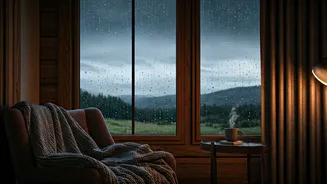
The cultural obsession with “cozy”—think the Danish concept of *hygge* or the simple joy of a warm blanket—finds its ultimate expression in rainy day travel. A downpour is an official excuse to slow down. Instead of rushing from one outdoor sight to another, you’re encouraged to duck into a wood-paneled pub in Dublin for an unplanned pint, spend three hours in a Viennese coffee house with a book and a slice of Sacher-torte, or explore every corner of a small, quirky museum you would have otherwise skipped. The rain provides a natural rhythm to the day, one that prioritizes warmth, comfort, and unhurried discovery.
You See a More Authentic Side of Life
Wall-to-wall sunshine can sometimes feel like a performance for tourists. Rain, on the other hand, is just life. Seeing a city’s residents navigate their hometown under a gray sky—scurrying under awnings, popping open colorful umbrellas, filling up their local cafes—is to see the place as it truly is for much of the year. The slick cobblestones of Prague, the moody canals of Amsterdam, the steamy noodle shops of Tokyo on a wet afternoon; these aren't aberrations. They are core parts of the local character. Embracing the rain means you’re not just visiting a postcard, you’re stepping into the real, breathing version of a destination.
The World Becomes More Photogenic
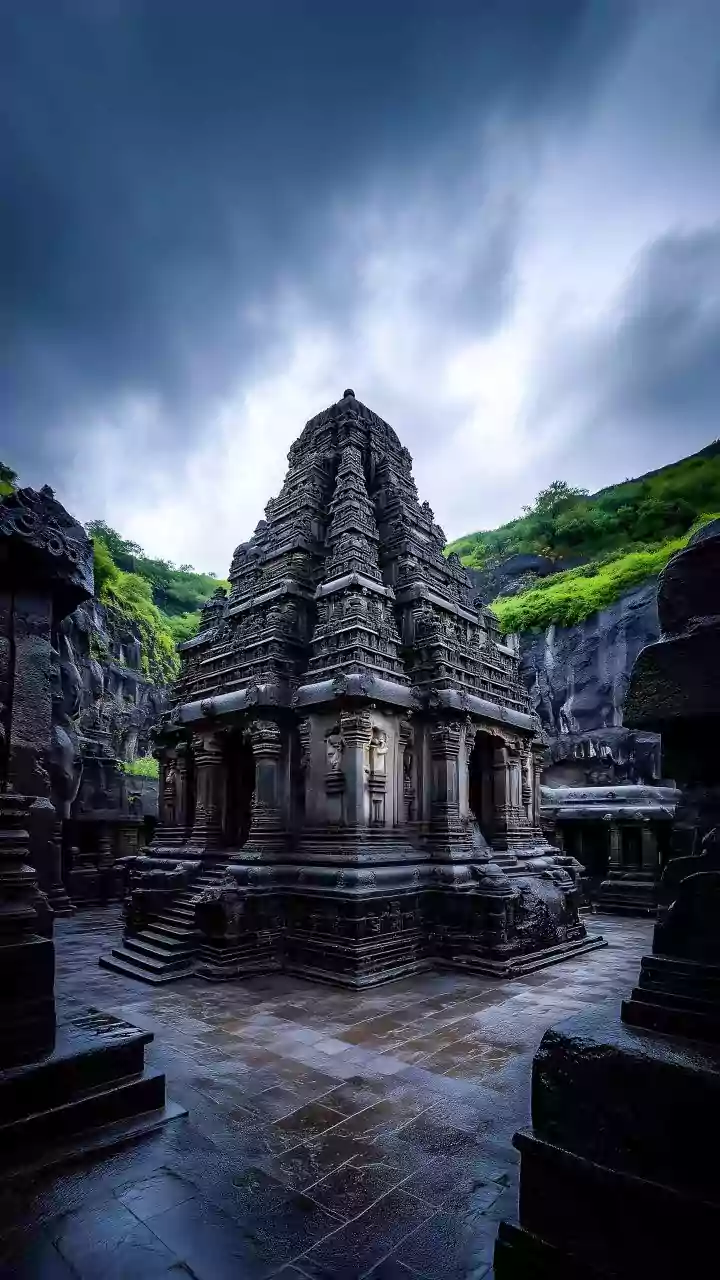
Forget the over-saturated sunshine selfie. Moody weather is a photographer’s secret weapon. Overcast skies create soft, even light that is far more flattering for portraits and architecture than the harsh shadows of a midday sun. Rain brings out the deep, rich colors of stone and foliage. Puddles create stunning, mirror-like reflections of city lights and historic buildings. The mist that hangs over a mountain or settles in a valley adds an instant layer of drama, mystery, and romance. On social media, where the perfectly curated sunny shot has become a cliché, a moody, atmospheric photo of a rain-swept street stands out as more artistic and compelling.
It’s Often Dramatically Cheaper
This isn't a minor point. The travel industry operates on supply and demand, and demand for rainy destinations is almost always lower. This translates to significant savings across the board. Flights and accommodations for trips to Southeast Asia during the monsoon season or Europe in the fall are frequently a fraction of their peak-season cost. By decoupling your vacation plans from the pursuit of perfect weather, you open up a world of budget-friendly possibilities. Your travel fund goes further, allowing you to stay longer, enjoy more expensive meals, or even take an extra trip later in the year.
It Forces a Mindful Reset
Modern travel can sometimes feel like a frantic checklist. Did you see the top ten sights? Did you get the shot? Did you maximize every second? Rain is a powerful antidote to this anxiety. It provides a natural brake, forcing a slower, more contemplative pace. You might spend an entire morning watching the world go by from your hotel window or listening to the rhythm of raindrops on the roof of a thousand-year-old cathedral. This isn’t wasted time; it’s a mental reset. It’s an opportunity to simply be in a place, absorbing its atmosphere without the pressure to constantly be doing something.