



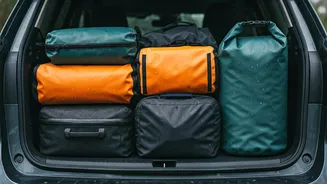
1. Create a Waterproof-in-Water-Resistant System
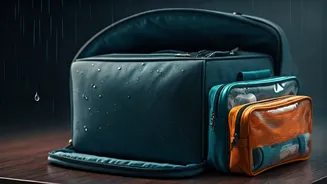
Let’s be realistic: most backpacks and weekenders are labeled “water-resistant,” not “waterproof.” That means they can handle a light shower, but a sustained soaking will eventually let moisture seep in through zippers and seams. This is where pouch organizers
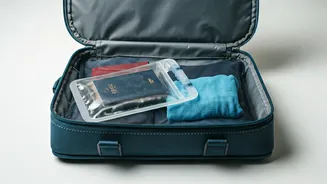
become your first line of internal defense. By stashing your most vulnerable items—electronics, important documents, a change of socks—inside dedicated water-resistant or fully waterproof pouches, you create a fail-safe. If water breaches your main bag's defenses, your essentials remain perfectly dry. Think of it as insurance. Your main bag is the house, but the pouches are the locked safes inside, protecting your most valuable assets when disaster strikes.
2. Isolate the 'Internal Rainstorm'
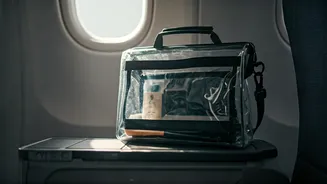
The threat of a wet bag doesn't always come from the sky. The most common travel catastrophe is the dreaded internal spill: the shampoo bottle that wasn’t screwed on tight, the tube of sunscreen that burst under pressure, or the contact lens solution that decided to redecorate the inside of your dopp kit. A good pouch strategy isolates these potential messes. Keeping all your liquids in a sealed, water-resistant toiletry pouch means that if a leak happens, it’s contained. The rest of your bag—and your clothes—are completely safe. This simple act of compartmentalization has saved countless travelers from having to find a laundromat moments after arriving at their hotel.
3. Turn Chaos into Grab-and-Go Efficiency
Beyond weather and spills, pouches bring a profound sense of order to the chaotic jumble of a typical travel bag. Instead of digging through a dark abyss for a charging cable, your lip balm, or a passport, you simply grab the designated pouch. Create a “tech pouch” with your chargers, adapters, and power bank. Keep an “in-flight pouch” with headphones, a sleep mask, and medication. This system doesn't just save you time and frustration; it makes you a more nimble traveler. When you need to pull out your laptop at airport security, you aren’t also accidentally pulling out a tangle of underwear. Everything has its place, making every transition smoother and less stressful.
4. Understand the Pouch for the Job
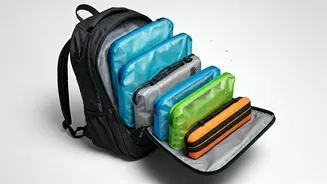
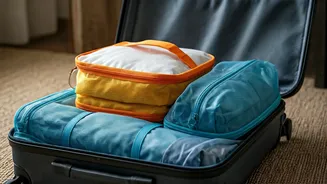
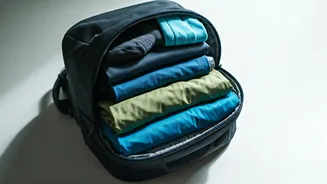
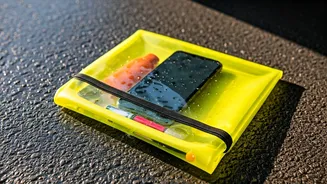
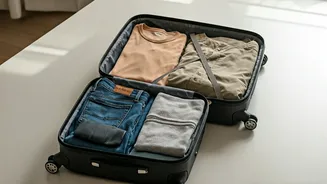
Not all pouches are created equal. Knowing the different types helps you build the perfect system. Packing cubes, typically made of lightweight nylon, are brilliant for compressing and separating clothes (e.g., clean from dirty, or shirts from pants). Tech pouches are often more structured, with internal pockets and elastic loops to organize cables and gadgets. Toiletry pouches (or dopp kits) should have a water-resistant lining to handle spills. For ultimate protection against rain, look for “dry bags” made of PVC or coated nylon with roll-top closures, which are genuinely waterproof and a must-have for anyone carrying expensive camera gear or traveling in a monsoon.
5. Downsize and Travel Lighter
It seems counterintuitive, but adding pouches to your bag can actually help you pack less. The act of organizing forces you to be more intentional. When you have a specific, small pouch for your cosmetics, you’re less likely to throw in five extra lipsticks “just in case.” When your tech pouch is neatly organized, you realize you don’t need three redundant charging bricks. The physical constraints of the pouches provide a framework for minimalist packing. You begin to see your luggage not as one giant empty space to be filled, but as a collection of smaller, purpose-driven modules. This shift in mindset often leads to a lighter, more manageable, and ultimately more enjoyable travel experience.