







From Kitchen Scraps to Curated Meals
For generations, the diet of a typical Indian pet, particularly a dog, consisted of kitchen leftovers—chapati, rice, milk, and maybe some meat scraps. Commercial pet food existed, but it was often a functional, mass-market kibble. The concept of “human-grade”
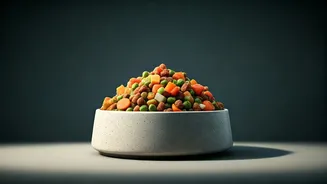
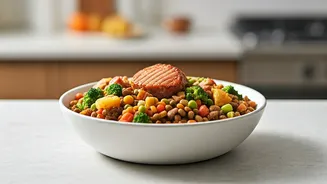
pet food introduces a radically different philosophy. It’s not just about premium ingredients; it’s about preparation. These are meals, often subscription-based, made with fresh, whole ingredients like chicken, fish, pumpkin, and carrots, cooked in small batches without preservatives. The core promise is simple and potent: if the ingredients aren't good enough for your own plate, they aren't good enough for your pet’s bowl. This leapfrogs the standard packaged-food model, going straight to a wellness-focused, fresh-food paradigm that mirrors trends in the U.S. and Europe.
The New Economic Engine
This trend isn't happening in a vacuum. It’s a direct consequence of India's booming economy and the rapid expansion of its middle and upper-middle classes. With rising disposable incomes comes a change in spending priorities. As basic needs are met, consumers look for ways to enhance their quality of life—and increasingly, that of their pets. For a growing number of urban professionals, a few hundred dollars a month on curated pet meals is no longer an unthinkable luxury but a justifiable wellness expense. This “pet humanization” is fueling a market that analysts project will grow significantly. It’s a powerful indicator of where new money is flowing in the world's most populous country: toward premium, high-trust, and emotionally resonant products.
From Guard Dog to Fur Baby
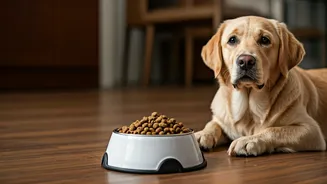
Perhaps the most significant driver is a deep cultural shift in how pets are perceived. The traditional role of a dog as a utilitarian guard for the family home is fading in India's cities. In its place is the concept of the pet as a cherished family member, a “fur baby.” This is especially true among millennials and Gen Z in urban centers, who are often living in smaller, nuclear families, getting married later, and having fewer children. Pets fill an emotional void, becoming companions and central figures in the household. When a pet is seen as a child, feeding it leftover scraps feels wrong. Instead, “pet parents” are seeking out specialized nutrition, celebrating their pets’ birthdays with custom cakes, and investing in their health and happiness with an intensity that mirrors parental care.
A Market Unleashed
Spotting this opportunity, a wave of Indian startups has entered the fray. Companies with names like Pawsome, Benny's Bowl, and Dogsee Chew are capturing the imagination of this new consumer base. They are digitally native, leveraging social media and direct-to-consumer subscription models to reach pet owners in cities like Mumbai, Delhi, and Bangalore. Their marketing speaks the language of health, wellness, and love, featuring glossy images of happy pets and testimonials from devoted owners. Venture capital is taking notice, pouring millions into a sector that was barely a rounding error a decade ago. This isn't just about selling dog food; it's about building brands that stand for a new kind of modern, conscientious pet ownership.